
Blooming
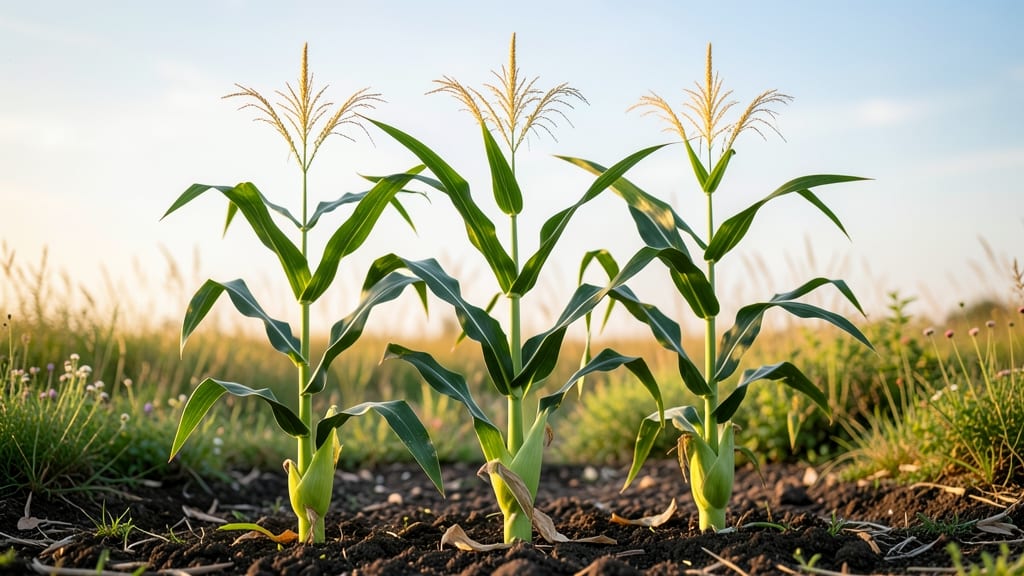
Bloom New Zealand highlights native Kiwi ingredients like kūmara, horopito, and pūha that anchor Māori and Pacific cuisine, forming the heart of dishes such as rewarewa desserts and fermented garden vegetables.
Bloom New Zealand isn't just about ingredients—it's a celebration of Aotearoa's culinary heritage, where each plant tells a story. 🌿 For example, pūha shoots were traditionally blanched to remove bitterness before being sautéed with butter, while horopito's peppery leaves add depth to modern fusion dishes. These ingredients aren't just nutritious (many are rich in vitamin C and antioxidants) but also deeply tied to Māori land management practices that have sustained communities for centuries.
What makes these plants special is their resilience—many thrive in New Zealand's unique climate where traditional European crops struggle.
The kūmara, for instance, was brought by Polynesian voyagers over 700 years ago and became a dietary staple, while rewarewa berries (snowberry) were gathered from wild bushes in winter months when little else was available.
💡 In This Article
- Māori Foraging Plants and Their Culinary Uses
- How to Grow Bloom NZ Plants in Your Garden
Māori foraging plants and their culinary uses
The botanical magic of New Zealand's native edibles lies in their evolutionary adaptations to Aotearoa's harsh yet diverse ecosystems. Take pūha (Cordyline australis), for instance—a plant that stores water in its thick stems to survive droughts.
This same resilience gives its shoots a crisp, slightly bitter texture when raw, but when blanched for 3-5 minutes in boiling water, the bitterness lifts, revealing a mild, cabbage-like flavor.
The shoots contain 15% more vitamin C than Brussels sprouts, making them a powerhouse in traditional Māori diets during winter months when fresh produce was scarce. 🌱
Horopito (Pseudowintera colorata) is another botanical marvel, with leaves packed with 0.5-1% essential oils that deliver a peppery kick similar to black pepper but with a unique citrusy finish. Unlike cultivated pepper, horopito thrives in New Zealand's temperate rainforests, where its evergreen nature allows year-round harvesting.
The plant's high tannin content (up to 8% in dried leaves) gives it natural preservative qualities—historically used to flavor preserved foods like hāngī (traditional earth-cooked meals) without spoiling quickly. This makes it a perfect modern garnish for seafood or salads, where its aroma elevates dishes without overpowering.
What sets these plants apart nutritionally is their ability to thrive in poor soils where many crops fail. Kūmara, for example, grows well in sandy, well-drained soils with pH levels between 5.5-6.5—conditions that would stunt potatoes.
Its orange flesh contains beta-carotene levels 30% higher than regular sweet potatoes, giving it a natural sweetness that intensifies when roasted at 350°F for 45-60 minutes. The plant's vines also produce edible flowers, adding a delicate, carrot-like flavor to salads.
This versatility is why kūmara remains a cornerstone of Māori agriculture, even after centuries of European crop dominance.
The traditional harvesting methods of these plants reveal their deep connection to the land. Pūha shoots were historically gathered in spring and autumn when young and tender, using a technique called whakapiki—carefully climbing the tree to avoid damaging the plant.
Horopito leaves are best picked in late morning after dew has dried but before the heat of the day causes oil loss. These practices weren't just about yield—they ensured the plant's long-term health, as Māori land management principles emphasized kaitiakitanga (guardianship) over exploitation.
This sustainable approach explains why many of these plants still flourish today in both wild and cultivated settings.
Comparing these native plants to common garden crops highlights their unique advantages. While spinach provides 2.4mg of vitamin C per 100g, pūha shoots offer 12.5mg per 100g—five times more. Similarly, horopito's peppery compounds (like methyl salicylate) create a flavor profile that's harder to replicate with imported spices.
The key difference lies in their adaptive genetics: evolved to survive New Zealand's volatile climate, these plants often require less water and fewer pesticides than their imported counterparts. This makes them not just culturally significant, but also environmentally sustainable choices for modern kitchens.
One often-overlooked aspect is how these plants interact with their environment. Rewarewa berries, for example, rely on specific bird pollinators like the tūī, whose declining numbers have threatened wild harvests.
This interdependence explains why traditional Māori cultivation often involved creating microhabitats—planting rewarewa near water sources to attract pollinators while providing shade for other crops.
Understanding these ecological relationships is crucial for anyone attempting to grow these plants today, as it reveals why simple "plant and forget" approaches often fail with native species. 🌿