
Blooming
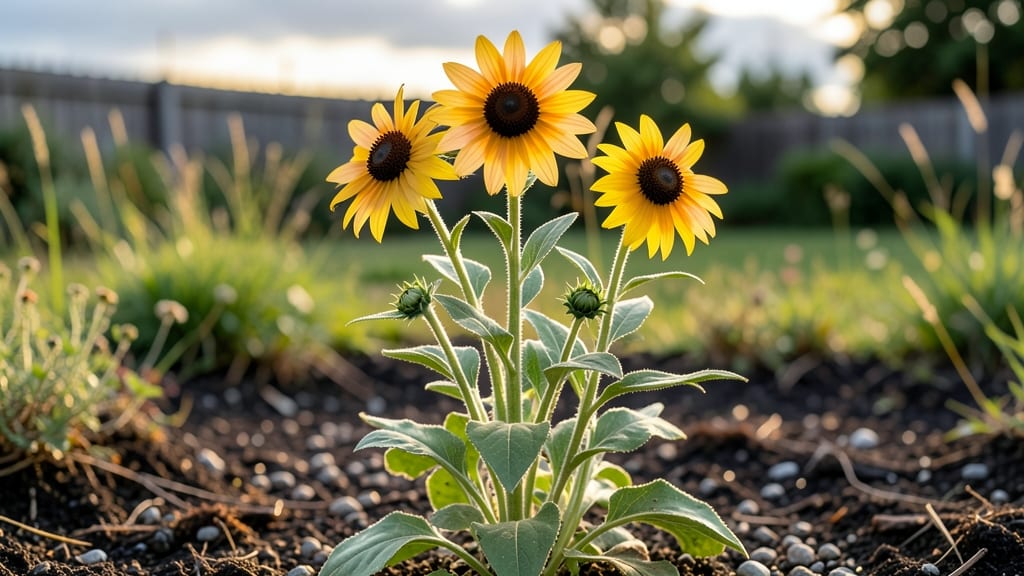
The black eyed susan bloom season transforms gardens into a golden-yellow sea of cheerful 🌼 flowers that hummingbirds adore in late summer to early fall.
If you’re eagerly waiting for your Black Eyed Susans to burst into vibrant blooms, timing is everything—missing their peak season means missing their show-stopping golden-yellow flowers. But when exactly do they bloom, and how do climate zones change the schedule?
In USDA Zone 6a, where these hardy perennials thrive, expect blooms from mid-July through September, but cooler regions like Zone 5 may see them start as early as June, while warmer Zones 8–10 can enjoy them until November.
Below, I’ll break down the exact months by region, share tips to extend their season, and pair them with complementary plants for a nonstop summer-to-fall color show.
Black Eyed susan bloom season by USDA hardiness Zone: month-by-month guide
Timing your Black Eyed Susan blooms means understanding how your USDA hardiness zone dictates their peak season. These cheerful golden-yellow flowers thrive in zones 3 through 10, but their bloom windows shift dramatically—from July in cooler regions to November in warmer climates.
Knowing these differences helps you plan for year-round color and avoid missing their stunning displays.
In Zone 5, for example, Black Eyed Susans typically burst into bloom in mid-July and continue through September, while Zone 9 gardeners enjoy their peak from October to November. These variations occur because cooler zones experience shorter growing seasons, while warmer zones extend blooming into fall.
Adjusting your planting schedule based on your zone ensures you get the most vibrant, long-lasting flowers.
| USDA Zone | Bloom Start | Peak Season | Bloom End | Planting Tip |
|---|---|---|---|---|
| 3-4 | Late June | July-August | Early September | Plant in spring after last frost |
| 5-6 | Mid-July | July-September | October | Use mulch to retain heat |
| 7-8 | Early August | August-October | November | Deadhead weekly for longer blooms |
| 9-10 | Late September | October-November | December | Plant fall for spring blooms |
If you live in Zone 5, your Black Eyed Susans will likely start blooming in mid-July, reaching their peak in August before tapering off by early October. To maximize their display, plant them in full sun and well-draining soil.
In Zone 7, blooms begin in early August and extend into October, giving you a longer window to enjoy their cheerful faces.
For gardeners in Zone 9 or 10, the real magic happens in fall. These zones offer a late-season spectacle from October through November, with some varieties even blooming into December in mild winters.
To take advantage of this extended season, consider planting fall-blooming varieties like 'Indian Summer', which thrives in warmer climates.
Adjusting your planting schedule can also shift bloom times. In cooler zones (3-5), plant early spring for summer blooms. In warmer zones (8-10), a fall planting can yield spring blooms the following year.
This flexibility lets you stagger blooms and create a continuous color show from summer to winter.
One key factor that affects bloom timing is sunlight exposure. Black Eyed Susans need at least 6 hours of direct sun daily to produce their best blooms. If your garden gets partial shade, blooms may be smaller or fewer.
Pair them with sun-loving companions like coneflowers or black-eyed Susans for a bold, golden display.
To ensure your Black Eyed Susans bloom on schedule, start with healthy soil preparation. Amend your soil with compost before planting to improve drainage and fertility.
A balanced fertilizer (like 10-10-10) applied in early spring can also boost flower production. Avoid over-fertilizing with high-nitrogen mixes, as this promotes leafy growth over blooms.
Deadheading spent blooms every 2-3 weeks is another trick to extend the bloom season. Simply pinch off faded flowers to encourage new buds. This works especially well in Zones 6-10, where deadheading can add 2-4 extra weeks of vibrant color.
Pair this with regular watering (about 1 inch per week) to keep plants healthy and blooming.
For gardeners in Zone 4 or colder, consider treating Black
How to extend Black Eyed susan bloom season: pruning, deadheading, and soil tips
Black Eyed Susans (Rudbeckia) are summer’s golden superstars, but their natural bloom season can feel too short. With the right care, you can stretch those vibrant yellow petals from early summer well into fall.
The secret? A mix of pruning techniques, deadheading, and soil prep that keeps your plants energized and blooming.
I’ve learned that deadheading every 2–3 weeks is non-negotiable—it tricks the plant into producing more flowers instead of seeds. Pair that with a low-nitrogen fertilizer (like 5-10-10) to encourage blooms over foliage, and you’ll see a dramatic difference.
But soil pH matters too—Black Eyed Susans thrive in slightly acidic to neutral soil (pH 6.0–7.0), so test yours before planting.
🌱 Pro Tip: The 3-Step Bloom Extension Plan
- Deadhead daily: Snip off spent blooms above the next set of leaves to redirect energy.
- Fertilize monthly: Use a low-nitrogen mix (e.g., 5-10-10) in early summer to boost flowers.
- Mulch deeply: Add 2–3 inches of mulch to retain moisture and cool roots.
✅ Result: Up to 4–6 weeks longer blooms!
One common mistake I see is over-pruning. If you cut back Black Eyed Susans too aggressively in early summer, you’ll sacrifice blooms. Instead, wait until late summer to trim back 1/3 of the plant—this promotes a second flush of flowers just as fall arrives.
Also, avoid high-nitrogen fertilizers; they’ll give you lush leaves but fewer blooms.
Soil prep is just as critical. Amend your garden beds with compost or aged manure before planting to improve drainage. Black Eyed Susans hate soggy roots, so raise beds slightly if your soil stays wet. A well-draining mix with organic matter ensures roots stay healthy, which directly impacts bloom longevity.
For container growers, choose dwarf varieties like ‘Garden Dwarf’ and use a lightweight potting mix with perlite. Water consistently—containers dry out faster—and fertilize every 3–4 weeks. I’ve seen potted Black Eyed Susans bloom 2 weeks longer than in-ground plants when given this extra care.
Finally, watch for pests like Japanese beetles or powdery mildew, which can stress plants and shorten bloom time. Neem oil or insecticidal soap keeps pests at bay, while spacing plants 12–18 inches apart improves air circulation to prevent mildew.
With these tweaks, your Black Eyed Susans will keep shining until the first frost! 🌼