
Blooming
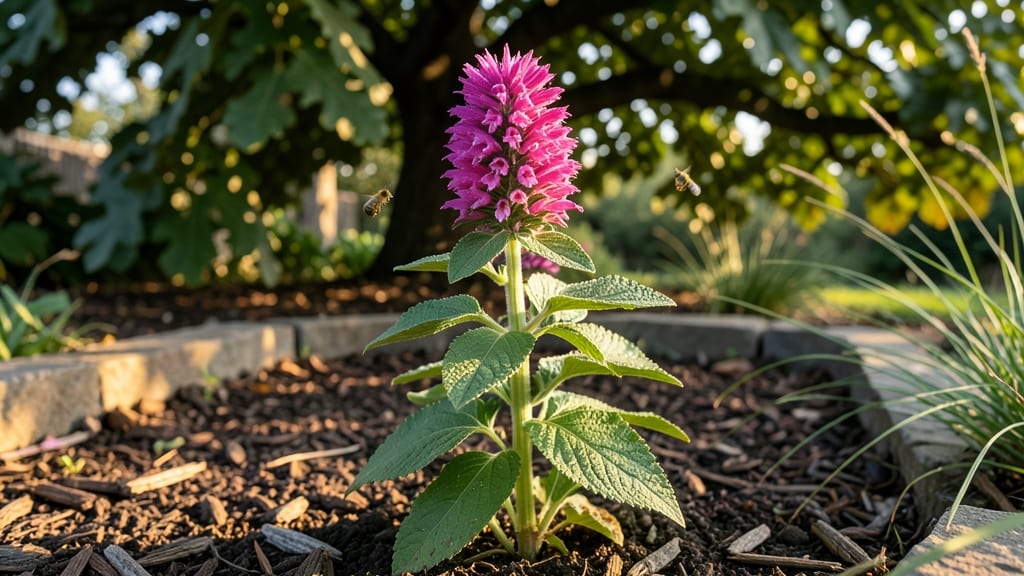
Bee balm blooms from early summer through fall 🐝, turning your garden into a pollinator paradise—but only if you time your care right.
Struggling to keep your bee balm blooming all summer? The secret to nonstop vibrant flowers lies in understanding its bloom cycles—and when to deadhead for maximum impact.
In USDA Zone 6, most varieties burst into color by June, but late bloomers like 'Firewatch' can stretch their show into September with the right care.
Below, I’ll break down the exact bloom stages, how sunlight and soil affect timing, and the simple deadheading trick that keeps flowers coming for weeks longer.
Understanding bee balm bloom time: stages and seasonal patterns
Bee balm (Monarda spp.) is a showstopper in summer gardens, but its bloom time varies dramatically depending on your USDA zone and care habits. Most varieties burst into color from early June to September, though some hardy types start as early as May in warm climates.
The key to nonstop blooms lies in understanding these natural cycles and how to work with them.
In USDA Zones 4-6, bee balm typically begins flowering in late May to June, peaking in July and August before tapering off by early fall.
However, gardeners in Zones 7-9 often enjoy a longer bloom window—sometimes from April to October—thanks to milder winters and extended growing seasons. This regional variation means your local climate plays a huge role in bloom timing.
| Stage | Typical Months (USDA Zone 6) | Climate Impact | Care Tip |
|---|---|---|---|
| Bud Formation | April-May | Warmer zones see earlier buds (March-April) | Ensure 6+ hours of sun for robust buds |
| Peak Bloom | July-August | Cooler summers delay peak (June-July in Zone 4) | Deadhead spent blooms weekly to extend peak |
| Rebloom Potential | September-October | Zones 7+ often see second blooms into November | Fertilize with low-nitrogen feed in early summer |
| Dormancy | November-February | Mulch heavily in Zone 5 and colder | Cut back dead stems in late winter |
The three main bloom stages of bee balm—bud formation, peak bloom, and rebloom—each respond differently to environmental factors. For example, Jacob Cline, a popular red variety, often blooms 2-3 weeks earlier than Hemlock (a purple type) in the same garden.
This variation occurs because some varieties are bred for earlier or later flowering, which can help you create a sequential bloom display.
Your local microclimate also affects bloom timing. Gardens near large bodies of water may experience cooler summers, delaying peak bloom until late July or August. Conversely, urban heat islands can push blooms to start 2-4 weeks earlier than rural areas.
To maximize your bee balm's potential, observe when neighboring gardens' plants bloom and adjust your planting schedule accordingly.
Not all bee balm varieties rebloom naturally. Jacob Cline and Marshall's Delight are known for their prolific reblooming when properly cared for, while Hemlock and Firewatch may produce just one strong flush of flowers.
The difference comes down to genetic predisposition and growing conditions. For example, providing partial shade in hot afternoons can help stressed plants rebloom more reliably.
One common misconception is that bee balm blooms continuously without intervention. In reality, spent flowers divert energy away from new blooms, causing the plant to focus on seed production instead. This is why regular deadheading—removing faded blooms—is critical.
When done correctly, it can extend your bloom season by 4-6 weeks or more. The best time to deadhead is early morning when stems are still firm and humidity is low.
For gardeners in USDA Zones 3-5, where winters are harsh, bee balm often needs a head start. Starting seeds indoors 8-10 weeks before last frosthardy varieties like 'Purple Haze' can help ensure earlier blooms.
In warmer zones (7+), bee balm may bloom year-round with minimal care, though flowers may be less vibrant during winter months. Always match your variety to your climate zone for best results.
Light conditions also influence bloom timing. While bee balm thrives in partial sun (4-6 hours daily), plants receiving full sun (6+ hours) often bloom 1-2 weeks earlier and produce more flowers.
However, in Zone 8 and above, afternoon shade becomes crucial to prevent leaf scorch, which can stress the plant and reduce flowering. Balance is key—aim for morning sun and afternoon shade in hot climates.
To troubleshoot delayed blooming, check these three factors: soil fertility, water consistency, and pruning habits. Over-fertilizing with nitrogen promotes leafy growth at the expense of flowers, while underwatering can cause buds to drop.
If your bee balm produces fewer than expected blooms, try switching to a low-nitrogen, high-phosphorus fertilizer (like 5-10-10) in early summer to encourage flowering.
With the right approach, your bee balm can transform from a one-season
When to deadhead bee balm for extended summer blooms: step-by-step guide
Bee balm (Monarda spp.) rewards gardeners with vibrant blooms from early summer until frost, but its reblooming potential depends entirely on proper deadheading.
Skipping this step means fewer flowers and leggy, floppy stems by midseason. The key is timing—deadhead weekly during peak bloom (June–August) to encourage continuous flowering.
Many gardeners mistakenly wait until flowers fully fade, but early intervention prevents seed formation and redirects energy to new buds. Spend blooms appear when petals flatten or turn brown, signaling it’s time to act.
Use sharp clean pruners or fingers to remove only the spent blooms—not the entire stem—unless it’s leggy.
Step-by-Step Deadheading Guide
- 🔍 Step 1: Identify Spent Blooms – Look for flattened or brown petals. Healthy blooms stay upright and colorful.
- 🌸 Step 2: Pinch or Snip – Use clean fingers or pruners to remove only the dead flower head (leave 1–2 inches of stem).
- ✂️ Step 3: Check Stem Health – If the stem feels woody or hollow, trim it back to green growth to prevent legginess.
- 💧 Step 4: Water After Deadheading – Give plants a deep drink to reduce stress and encourage new buds.
- 📅 Step 5: Schedule Weekly – During peak bloom (June–August), repeat every 5–7 days for continuous flowers.
Deadheading monthly in early or late summer still works but risks missed blooms between sessions. For reblooming varieties like 'Jacob Cline', stick to weekly deadheading to maximize 3–4 months of color. Avoid cutting into leafy growth, as this weakens the plant.
Common mistakes include over-trimming (cutting into old wood) or using dirty tools, which spreads disease. Always sterilize pruners with rubbing alcohol between plants. If your bee balm develops fewer blooms despite deadheading, it may need more sunlight (6+ hours daily) or balanced fertilizer (10-10-10) every 4–6 weeks.
With consistent deadheading, your bee balm will bloom nonstop until frost, attracting pollinators like hummingbirds and bees. Pair it with companion plants like coneflowers or black-eyed Susans for a long-season pollinator magnet. 🐝