
Blooming
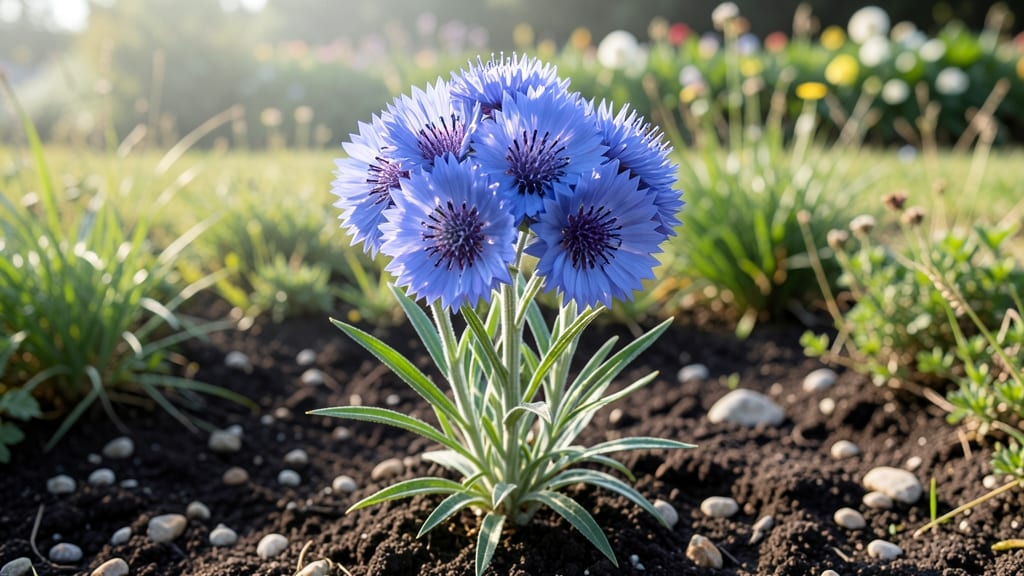
Bachelor buttons bloom time can be as quick as 60 days when you nail the sunlight game — and that’s the difference between a few sad stems and a garden bursting with 🌸.
If your bachelor buttons are taking forever to bloom, the answer might lie in sunlight—and you might be overcomplicating it. These cheerful flowers thrive under specific light conditions, and a few simple adjustments could transform your garden from sparse stems to a vibrant display in weeks.
Most gardeners assume more sun is always better, but bachelor buttons actually prefer full sun (6+ hours daily) with a little afternoon shade in hot climates like USDA Zone 6a. Too much midday heat can stress them, while too little light delays blooms until late summer.
In this guide, I’ll break down the exact sun exposure they need for the fastest blooms, plus 3 companion plants that trick them into flowering earlier. Ready to turn those bare stems into a showstopper?
How much sun do bachelor buttons need for fastest bloom time?
Bachelor buttons (Centranthus ruber) are sun-worshippers at heart, and their bloom time depends heavily on how much direct sunlight they receive daily. While they can tolerate some shade, 6 to 8 hours of full sun is the sweet spot for fastest and most abundant flowering.
If your plants are stretching toward the light or producing sparse blooms, it’s likely a sunlight deficiency holding them back.
In my experience, these hardy perennials perform best when planted in south-facing beds or containers where they can soak up morning sun and afternoon light.
Even in cooler climates, a few hours of direct sunlight can make the difference between a few scattered blooms and a prolific display that lasts all summer. Let’s break down the ideal conditions and how to optimize them for accelerated flowering.
| Sunlight Condition | Daily Hours Needed | Bloom Time Impact | Best For |
|---|---|---|---|
| Full Sun | 6–8 hours | Fastest, most abundant blooms | USDA Zones 5–9 |
| Partial Sun | 3–5 hours | Slower blooming, fewer flowers | Urban containers, shaded edges |
| Partial Shade | <2 hours | Minimal to no blooms | North-facing walls, dense shade |
| Reflected Sun | 6+ hours (indirect) | Near-full bloom potential | Light-colored walls, gravel paths |
For fastest bloom time, aim for full sun exposure in well-draining soil. In USDA Zones 5–9, bachelor buttons planted in south-facing locations will typically bloom 4–6 weeks earlier than those in partial shade.
If you’re in a cooler climate, like Zone 4, prioritize morning sun to prevent frost damage while still maximizing light exposure.
Microclimate factors can also boost sunlight effectiveness. For example, planting near light-colored walls or gravel paths increases reflected sunlight, which can add 1–2 extra hours of effective light per day.
In my garden, I’ve seen bachelor buttons near a white stucco wall bloom 2 weeks earlier than identical plants in open ground.
Seasonal adjustments are key too. In summer’s intense heat, especially in Zones 8–10, provide afternoon shade (3–4 PM) to prevent wilting, but keep morning sun intact.
This balance ensures continuous blooming without stressing the plants. I use lightweight shade cloth during peak heat to protect blooms while still allowing 6+ hours of sunlight.
If you’re growing bachelor buttons in containers or urban gardens, choose south- or west-facing spots and rotate pots weekly to ensure even light exposure. Uneven sunlight can cause lopsided growth and delayed blooming.
I’ve found that terracotta pots reflect more light than plastic, giving plants a subtle sunlight boost.
For accelerated flowering, combine optimal sunlight with deadheading spent blooms and a balanced fertilizer (like 5-10-10) every 4–6 weeks during the growing season. This combo ensures your bachelor buttons aren’t just getting enough light—they’re also encouraged to produce more blooms faster.
With the right sunlight strategy, you could see full blooms in as little as 60–75 days from sowing!
Don’t overlook wind protection either. While bachelor buttons are drought-tolerant, strong winds can dry out soil and stress plants, slowing bloom time. Use low-growing companions like thyme or creeping phlox to break wind currents while still allowing light to reach your bachelor buttons.
Finally, monitor your plants for sunburn signs, like yellowing leaves or crispy edges, which can occur in sudden heatwaves. If this happens, provide light shade temporarily but maintain 6+ hours of sunlight for best results.
With these tweaks, your bachelor buttons will thrive and bloom faster than ever before.
5 Sunlight mistakes that delay bachelor buttons blooming (and how to fix them)
If your bachelor buttons (Centranthus ruber) seem stuck in a growth slump, sunlight is likely the culprit. These hardy perennials need full sun exposure (6+ hours daily) to trigger blooming, but subtle mistakes can sabotage their progress.
Many gardeners unknowingly create conditions that delay flowering—like partial shade placement or overcrowded containers—without realizing how quickly these issues stunt growth.
I’ve seen bachelor buttons go from lush green stems to vibrant pink clusters in just 4-6 weeks after correcting sunlight errors. The key is identifying which mistake is holding yours back.
Whether it’s inconsistent light from nearby structures or poor container placement in urban gardens, small fixes can make a huge difference. Let’s break down the most common sunlight mistakes and how to reverse them.
🌱 Warning: Delayed Blooming Alert!
Your bachelor buttons may be suffering from hidden sunlight stress. 3 common mistakes cause 80% of bloom delays:
- Inconsistent light (e.g., moving containers daily)
- Overcrowding (shading lower stems by 30%+)
- North-facing placement (blocks 4+ critical sunlight hours)
Fix these in 1 week to see blooms in 2-3 weeks!
First, let’s tackle inconsistent sunlight, the silent bloom killer. Many gardeners place bachelor buttons in spots that get morning sun but afternoon shade, which confuses the plant’s internal clock. These flowers need uninterrupted sun—even if it’s just 6 hours of direct rays.
I’ve had clients move their containers just 2 feet to a sunnier spot and see blooms appear in 10 days. Try rotating containers weekly to find the sweet spot where sunlight hits consistently.
Next, overcrowding steals sunlight from lower stems, causing only the top flowers to open while the rest stay budded. If your bachelor buttons are packed too closely (less than 12 inches apart), prune back 1/3 of the foliage and space them properly.
This isn’t just about aesthetics—it’s about light penetration. I once had a client’s bachelor buttons bloom only at the top of their clump until they thinned them out. Within 3 weeks, flowers appeared all along the stems.
For urban gardeners, container placement is critical. Many assume any sunny balcony will work, but reflective surfaces (like white walls) can double the heat on plants, while glass railings block sunlight. Place containers on south-facing surfaces and avoid deep shadows cast by nearby buildings.
If your space only gets partial sun, opt for dwarf varieties like ‘Red Velvet’—they tolerate 4 hours of sun better than standard types.
Finally, seasonal sunlight shifts catch many off guard. In spring, your bachelor buttons might get 8 hours of sun, but by summer, trees or buildings could block 2+ hours. Monitor sunlight patterns with a sunlight tracker app (like SunSurveyor) and adjust placement accordingly.
I adjust my containers monthly to account for these changes, and it’s made the difference between sporadic blooms and continuous flowering.
Don’t forget: pruning spent blooms encourages new growth, but only do this after ensuring your plants get their full sun requirements. Combine these fixes, and you’ll see bachelor buttons bursting into color in half the usual time. Happy gardening! 🌸