
Blooming
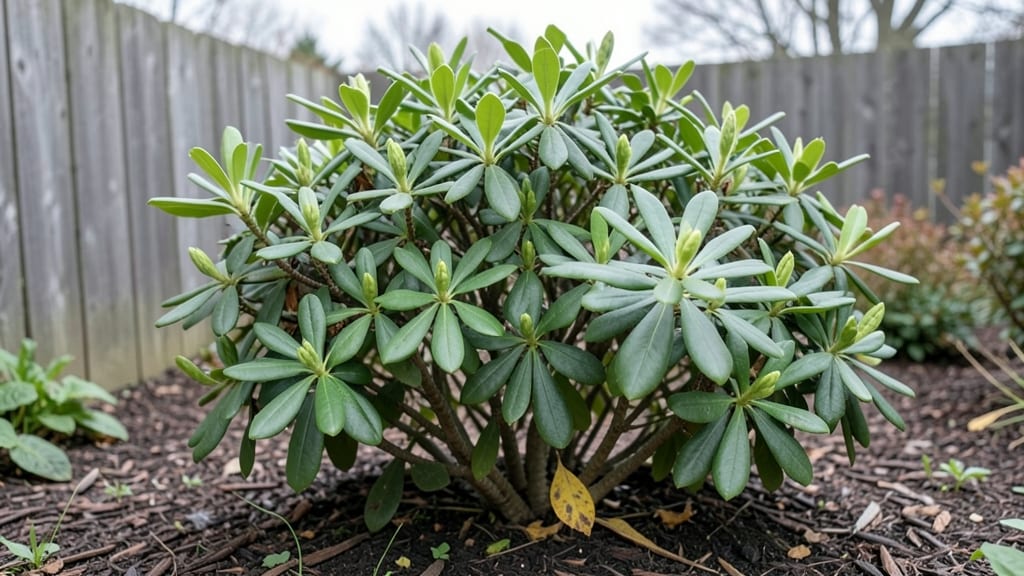
Your azaleas aren’t blooming because they’re not getting what they truly need—just a few adjustments can transform those bare branches into a springtime explosion of color. 🌸 I’ve nursed back more than my share of struggling azaleas, and the key always comes down to sunlight, soil, and timing.
Most gardeners overlook one of these three, and that’s exactly where the problem starts.
Azaleas crave morning sun and afternoon shade, especially in hot climates. Too much direct sun scorches the buds, while too little light means no energy for flowers. The soil should stay slightly acidic (pH 4.5–6.0) and consistently moist but never soggy—drought stress or waterlogged roots both stifle blooms.
And here’s the kicker: they bloom on old wood, so pruning at the wrong time can cut off next year’s flowers before they even form.
With the right care, you’ll see buds forming by late winter, swelling into vibrant blooms by spring. The secret is patience—azaleas reward consistent effort with weeks of show-stopping color that turns heads in any yard. Let’s get those bushes back on track before it’s too late.
Whether you’re dealing with a young plant that hasn’t bloomed yet or an established bush that’s skipped a season, the fixes are the same. We’ll cover sunlight adjustments, pruning timing, and the exact fertilizer blend to bring them back to life—no guesswork, just results.
Why it happens
Azaleas are known for their vibrant, show-stopping blooms—but when they fail to flower, it can feel like a mystery wrapped in disappointment. 🌸😔 The good news? Most "no-bloom" scenarios have clear, fixable causes.
Below, we break down the science behind why your azalea might be playing hard to bloom, along with actionable insights to turn things around.
🌡️ Insufficient Chill Hours
Azaleas are deciduous or evergreen shrubs that rely on a period of cold dormancy to trigger flowering. Without enough chill hours (typically 400–1,000 hours below 45°F), the plant’s buds won’t develop properly. This is especially common in:
- Warmer climates: Regions like Florida or California may not provide enough winter chill.
- Urban heat islands: Azaleas near pavement or buildings may experience heat stress even in cooler zones.
- Greenhouse or container-grown plants: Artificial warmth (e.g., heat lamps) can disrupt dormancy.
Fix it: If your area lacks chill hours, choose southern-indica azaleas (e.g., 'Girard’s Pink'), which bloom on new wood and tolerate warmer winters. For existing plants, ensure they’re not protected from winter cold (e.g., avoid wrapping in burlap unless frost is extreme).
🍃 Poor Light Exposure
Azaleas thrive in partial shade (morning sun + afternoon shade), but too much sun or deep shade can stunt blooms. Here’s how lighting affects them:
| Light Condition | Effect on Blooms |
|---|---|
| Full sun (6+ hours direct) | Leaves scorch; buds dry out before opening. Stress diverts energy away from flowering. |
| Deep shade (little dappled light) | Weak growth; fewer flower buds form due to lack of photosynthesis. |
| Ideal: 3–6 hours sun | Balanced energy for foliage and blooms. |
Fix it: Prune nearby trees to allow filtered light or move container azaleas to a spot with morning sun. If your yard is too shady, fertilize with low-nitrogen, high-phosphorus (e.g., 5-10-5) to encourage blooming.
✂️ Over-Pruning or Wrong Timing
Azaleas bloom on old wood (last year’s growth), so aggressive pruning can remove next year’s flower buds. Timing matters too:
- Pruning after blooming (late spring/early summer) risks cutting off new buds.
- Pruning before winter exposes tender growth to cold damage.
- Shearing for shape (e.g., boxy hedges) often removes flower buds entirely.
Fix it: Prune immediately after flowering (but before buds set for next year). Use thinning cuts (remove entire stems) rather than shearing. For evergreen azaleas, limit pruning to 1/3 of the plant per year.
💧 Water or Nutrient Imbalances
Blooms are a sign of stress-free health, and azaleas need consistent moisture and acidic soil to perform. Common issues:
- Drought stress: Wilting or crispy leaves signal poor water uptake, which stops bud formation. <
- Overwatering: Soggy roots (from poor drainage) lead to chlorosis (yellow leaves) and nutrient lockout.
- Alkaline soil (pH > 6.0): Blocks iron uptake, causing yellowing and weak growth.
- Too much nitrogen: Promotes lush leaves but fewer flowers (think "all foliage, no party").
Fix it:
- Water deeply 2–3x/week (1–2 inches per session) during dry spells.
- Test soil pH—aim for 4.5–6.0. Amend with pine needles or sulfur if needed.
- Fertilize with low-nitrogen, high-phosphorus (e.g., 7-9-5) in early spring.
🐞 Pest or Disease Pressure
Hidden pests or pathogens can sap energy from your azalea, leaving it too weak to bloom. Watch for:
- Azalea lace bugs: Tiny yellow pests that suck sap, causing silver-speckled leaves and stunted growth.
- Root rot (Phytophthora): From overwatering; causes mushy stems and leaf drop.
- Fungal infections (e.g., powdery mildew): White powder on leaves blocks sunlight, reducing blooms.
Fix it:
- Spray neem oil or insecticidal soap for lace bugs (repeat every 7–10 days).
- Improve drainage—raise beds or add perlite to soil.
- Prune infected branches 1 inch below damage and sterilize tools with rubbing alcohol.
🌱 Age or Overcrowding
Azaleas typically bloom for 5–10 years before declining. Overcrowded roots (from planting too close to other shrubs or trees) also compete for nutrients, reducing flower production.
Fix it:
- If your azalea is 10+ years old, consider rejuvenation pruning (cut back 1/3 of oldest stems to encourage new growth).
- Space new azaleas 3–5 feet apart and avoid planting near competing roots (e.g., oak trees).
Revive Your Azaleas Now
If your azaleas are refusing to bloom, don’t panic—these stunning shrubs are often just waiting for the right conditions to burst into color. The good news? Most issues are fixable with targeted care.
Below, we’ll break down the most common causes of dormant azaleas and provide step-by-step solutions to coax them back to life. Plus, we’ll share prevention tips to keep your bushes thriving for years to come.
🌱 Fixing Poor Soil or Nutrient Deficiencies
Azaleas thrive in acidic, well-draining soil rich in organic matter. If your soil lacks nutrients or has the wrong pH, your bushes may skip blooming altogether.
🔥 Step 1: Test Your Soil
- Purchase a soil pH test kit (available at garden centers) or send a sample to your local Cooperative Extension Service for professional analysis.
- Ideal pH for azaleas: 4.5–6.0. If your soil is alkaline (above 7.0), blooming will suffer.
🍳 Step 2: Amend the Soil
- For acidic soil (pH < 4.5): Mix in compost or well-rotted leaf mold to improve organic content without raising pH.
- For alkaline soil (pH > 6.0):
- Spread sulfur (follow package rates) and water thoroughly. Re-test in 2–3 months.
- Top-dress with pine needles, oak leaves, or peat moss (1–2 inches) to lower pH naturally.
- Avoid lime—it will make the problem worse!
👨🍳 Step 3: Feed for Blooms
- In early spring (before buds form), apply a slow-release azalea/camellia fertilizer (look for one with high phosphorus—the middle number on the NPK label).
- DIY option: Mix 1 part cottonseed meal (great for acid-loving plants) with 3 parts compost and work into the top 6 inches of soil.
- Avoid high-nitrogen fertilizers (like lawn food)—they promote leafy growth but stunt flowers.
💡 Prevention Tip:
- Mulch annually with pine bark or shredded leaves to maintain acidity and retain moisture.
- Avoid fresh wood chips—they can rob nitrogen from the soil.
☀️ Correcting Light or Water Issues
Azaleas need partial shade (morning sun + afternoon shade) and consistent moisture to bloom. Too much sun, shade, or irregular watering can send them into dormancy.
🌡️ Step 1: Adjust Light Exposure
- If in full sun:
- Prune nearby trees or install lightweight shade cloth (30–50% coverage) during peak afternoon heat.
- Move potted azaleas to a shadier spot temporarily.
- If in deep shade:
- Thin out dense foliage (e.g., trees, shrubs) to allow dappled sunlight.
- Gradually acclimate azaleas to more light over 2–3 weeks to avoid leaf scorch.
💧 Step 2: Water Wisely
- Check moisture by sticking your finger 2 inches into the soil. If it’s dry, water deeply.
- Watering schedule:
- 1–1.5 inches per week (including rain), split into 2–3 sessions (e.g., morning + evening).
- Mulch heavily (3–4 inches of pine bark) to retain moisture and regulate soil temperature.
- Avoid soggy soil—azaleas hate "wet feet." Ensure pots have drainage holes, and raised beds slope slightly for runoff.
✨ Prevention Tip:
- Group azaleas with rhododendrons and pieris—they share similar light and water needs, making care easier.
- Use drip irrigation for consistency, especially in hot climates.
⏰ Addressing Timing and Pruning Mistakes
Azaleas bloom on old wood (last year’s growth), so pruning at the wrong time—or too aggressively—can cut off potential flowers.
✂️ Step 1: Prune Correctly
- Best time to prune: Right after blooming (late spring/early summer).
- How to prune:
- Remove dead, crossing, or crowded branches first.
- Shape lightly—never cut back more than 1/3 of the plant in one season.
- Avoid heading back (cutting stems to encourage bushiness)—this removes next year’s flower buds!
- For overgrown azaleas:
- Thin out older, woodier stems at the base to rejuvenate growth.
- Leave younger stems—they’ll produce more blooms.
🎯 Prevention Tip:
- Mark blooming season on your calendar and prune immediately after flowers fade.
- Avoid "rejuvenation pruning" (cutting back to the ground)—this can take 2–3 years to recover and may reduce blooms.
🐛 Treating Pest or Disease Stress
Pests like lace bugs, scale, or spider mites and diseases such as root rot or fungal leaf spot can weaken azaleas, causing them to skip blooming.
🔪 Step 1: Inspect for Pests
- Signs of infestation:
- Yellowing leaves with stippling (tiny dots).
- Sticky residue (honeydew) on leaves.
- Webbing (spider mites) or black speckles (lace bug frass).
- Treatment:
- Neem oil spray (mix 1 tbsp neem oil + 1 tsp mild soap + 1 quart water). Spray both sides of leaves every 7–10 days for 3 weeks.
- Horticultural oil (for scale insects) or insecticidal soap (for soft-bodied pests).
- Release beneficial insects like ladybugs or lacewing larvae for natural control.
🌡️ Step 2: Prevent Fungal Issues
- Remove infected leaves (burn or trash them—don’t compost).
- Improve airflow by spacing plants 3–4 feet apart.
- Water at the base (avoid wetting foliage) and water early in the day so leaves dry quickly.
- Apply copper fungicide (preventative spray) if your area has a history of fungal diseases.
💡 Prevention Tip:
- Monitor azaleas weekly during growing season for early signs of pests.
- Avoid over-fertilizing with nitrogen—it attracts soft-bodied pests like aphids.
🌿 Encouraging Blooms with Proper Care
Once you’ve addressed the root cause, give your azaleas a little extra love to ensure they reward you with show-stopping blooms next season.
📊 Ongoing Care Checklist:
- Spring: Fertilize, prune, and test soil pH.
- Summer: Mulch, water deeply, and watch for pests.
- Fall: Apply a slow-release fertilizer (like cottonseed meal) to build next year’s buds.
- Winter: Protect from freezing winds with burlap wraps if needed (especially in cold climates).
✨ Bonus Tip for Potted Azaleas:
- Repot every 2–3 years into a slightly larger container with acidic potting mix.
- Soak pots in water for 10–15 minutes twice a week to ensure roots get enough moisture.
With these fixes, your azaleas should start budding and blooming like never before. Patience is key—some varieties (like Knock Out® azaleas) may take a year to fully recover, but the effort is worth it for that stunning spring display! 🌸
Frequently asked questions
Why isn’t my azalea blooming even though it looks healthy?
Healthy-looking azaleas often skip blooming due to insufficient chill hours (needed for bud formation) or improper pruning timing. Many regions lack the 400–1,000 hours below 45°F required—especially in warmer climates. Also, pruning before flowering season removes next year’s buds. Always prune immediately after blooms fade to preserve old wood.
How can I fix my azalea’s soil to encourage blooms?
Azaleas thrive in acidic soil (pH 4.5–6.0). Test your soil first—if it’s alkaline, amend with pine needles or sulfur. For nutrient-deficient soil, work in cottonseed meal or a low-nitrogen, high-phosphorus fertilizer (like 7-9-5) in early spring. Avoid fresh wood chips, which can raise pH.
Is it too late to save my azalea if it missed blooming this year?
Not necessarily! Focus on spring care to set buds for next year. Apply acid-loving fertilizer now, improve light exposure (morning sun + afternoon shade), and ensure consistent moisture. Evergreen varieties may recover faster than deciduous ones. With proper adjustments, you’ll see blooms in 12–18 months.
What’s the best way to prune an azalea that hasn’t bloomed?
Prune only after flowering to avoid cutting next year’s buds. Remove only dead or crossing branches—never shear into a box shape. For overgrown plants, thin out old wood at the base to encourage new growth. Limit pruning to 1/3 of the plant per season to prevent stress.
Can container-grown azaleas ever bloom reliably?
Yes! Ensure pots have drainage holes and use acidic potting mix. Water deeply twice weekly and fertilize monthly with azalea-specific food. Move containers to morning sun spots and protect from freezing winds in winter. With consistent care, potted azaleas can bloom just as beautifully as in-ground plants.