
Blooming
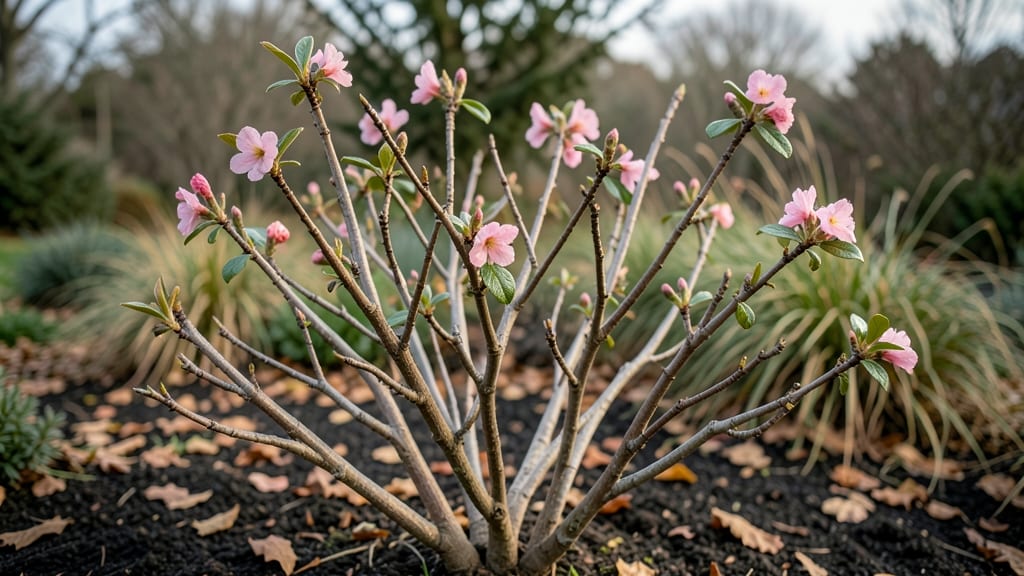
Sonic Bloom Pink Weigela thrives through winter with proper care: prune dead stems in late winter, apply thick mulch around the base, and shield it from strong winds. Its semi-evergreen leaves may darken but will rebound with fresh growth once spring arrives.
This hardy shrub handles cold surprisingly well, thanks to its USDA zones 5-9 tolerance and natural dormancy cycle. 🌿 While the foliage might look crispy after frost, the roots stay protected underground, ready to fuel a spectacular spring comeback.
The key is balancing protection without smothering the plant—think of mulch as a cozy blanket that insulates without suffocating.
For best results, I recommend 3-4 inches of mulch (like shredded bark or straw) and positioning windbreaks on the north or west sides. Avoid fertilizing in winter, as the plant focuses on survival rather than growth. Even in harsh climates, these steps help maintain the iconic pink blooms you love.
💡 In This Article
- Why Sonic Bloom Pink Weigela Survives Winter
- Step-by-Step Winter Protection for Pink Weigela
Why Sonic Bloom Pink Weigela survives winter
The Sonic Bloom Pink Weigela's winter resilience stems from its USDA zones 5-9 hardiness, where it naturally enters a dormancy phase when temperatures drop below 40°F.
This semi-evergreen shrub produces a waxy coating on its leaves called a cuticle, which acts like a microscopic raincoat, preventing moisture loss and frost damage. The cuticle slows water evaporation by up to 50% compared to non-waxy leaves, allowing the plant to conserve energy during cold snaps.
What's fascinating is how its foliage adapts: while it may appear brown or crispy after frost, the cells remain viable beneath the surface. Think of it like a dormant seed—the damage is mostly superficial.
The roots, buried 6-12 inches deep, stay protected by the soil's natural insulation, which maintains temperatures 10-15°F warmer than the air above. This underground network stores carbohydrates produced during summer growth, fueling spring regrowth when conditions improve.
The plant's survival strategy also includes bud dormancy, where growth points remain protected in a state of suspended animation. These buds contain meristematic cells that can reactivate when temperatures rise above 50°F for several consecutive days.
This mechanism explains why even severely frost-bitten plants can bounce back so dramatically—new shoots emerge from these protected buds, often within 2-3 weeks of consistent warmth.
Wind poses the biggest threat during winter, as it accelerates moisture loss and can physically damage tender new growth. The Sonic Bloom variety's compact growth habit (typically 3-5 feet tall) helps minimize wind exposure, but harsh winter winds can still cause desiccation stress.
This is why strategic placement and windbreaks become critical—reducing wind speeds by 30-50% can make the difference between survival and winter kill.
Interestingly, the plant's pink flowers contain anthocyanins, pigments that actually provide additional cold protection. These compounds act as natural antioxidants, helping stabilize cell membranes in freezing temperatures.
While the flowers themselves won't survive winter, their presence during the growing season contributes to the plant's overall hardiness by maintaining robust growth habits that translate to better winter resilience.
One common misconception is that evergreen plants like Weigela can't handle winter at all. The key difference is that Sonic Bloom Pink Weigela is semi-evergreen—it retains some foliage through winter but isn't fully evergreen like boxwood.
This adaptation allows it to balance winter survival with spring vigor, making it far more cold-tolerant than fully evergreen species that require constant moisture protection.