
Blooming
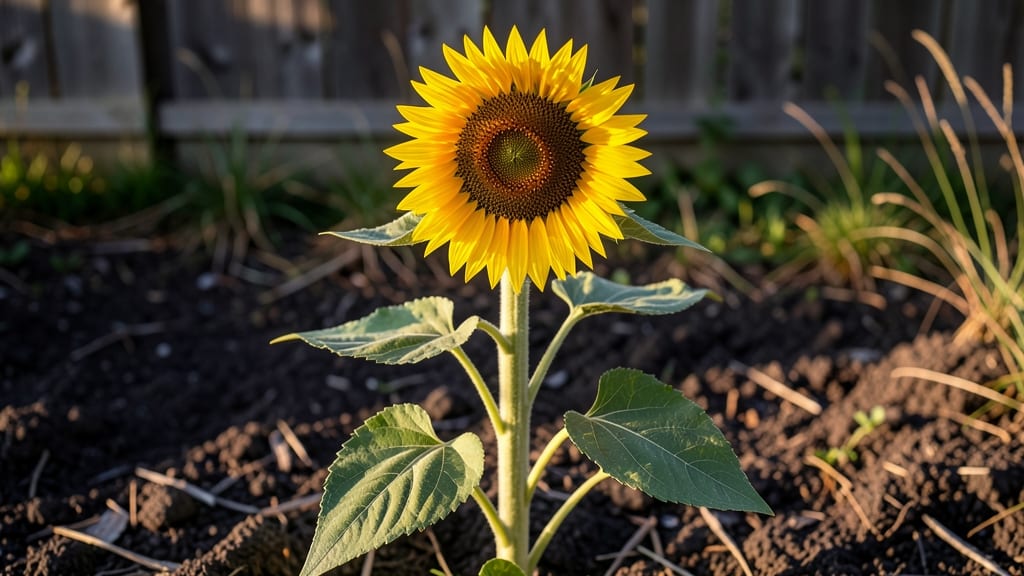
Sunflowers in Illinois bloom between mid-July and early September 🌻, depending on when you plant and which USDA zone you’re in.
If you’ve ever dreamed of watching golden sunflowers swaying in an Illinois summer breeze, timing is everything—plant too early, and frost may strike; too late, and you’ll miss peak blooms.
With USDA zones 5-7 offering a range of frost-free windows, your planting date determines whether you’ll see blooms in July or August, or stretch them into September.
Here’s how to align your planting with Illinois’s climate to get the longest, most vibrant sunflower season possible—plus the best varieties for your zone.
Sunflower blooming timeline by Illinois USDA zones (5a to 7a)
Timing your sunflower planting in Illinois depends heavily on your USDA zone, as cooler northern zones (like 5a) have shorter growing seasons than warmer southern zones (like 7a).
Understanding these differences helps you choose the right varieties and planting windows to guarantee vibrant blooms from July to September. Whether you're growing Mammoth sunflowers for cut flowers or Teddy Bear varieties for bird feeders, this timeline ensures you won’t miss a single golden bloom.
In Illinois, the last spring frost typically arrives between mid-April and late April, while the first fall frost hits around mid-October. This gives you a 165-day frost-free window—plenty of time for sunflowers to mature.
However, northern zones (like 5a) often face earlier frosts, so early-blooming varieties are key. Meanwhile, southern zones (like 7a) can support taller varieties with longer growing seasons.
| USDA Zone | Planting Window | Peak Blooming | Frost Risk | Best Varieties |
|---|---|---|---|---|
| 5a (Northern IL) | Mid-May to early June | Late July to early August | High (late frost risk) | Teddy Bear, Pro Cut, Early Bird |
| 5b (Central-North IL) | Late April to mid-May | Early July to mid-August | Moderate | Moulin Rouge, Autumn Beauty |
| 6a (Central IL) | Early April to late May | Mid-June to late August | Low | Mammoth, Russian Giant |
| 6b (Southern-Central IL) | Late March to early June | Late June to September | Minimal | Sunspots, Lemon Queen |
| 7a (Southern IL) | Early March to mid-June | Early June to October | Very Low | Giant Sunbird, Autumn Beauty |
In USDA Zone 5a, where frost can linger until late May, opt for early-maturing varieties like Teddy Bear or Pro Cut. These varieties bloom in just 50-60 days, giving them time to flower before the first frost.
Plant these seeds after your last frost date, typically around mid-May, to avoid cold damage. Cover young plants with frost cloth if nighttime temperatures dip below 40°F.
Moving to Zone 6a, you’ll find a longer growing season, allowing for taller varieties like Mammoth sunflowers. These giants take 80-120 days to bloom, so planting in early April ensures they reach their full 10-14 foot height by mid-summer.
Zone 6a gardeners can also experiment with succession planting—sow a second batch in late May for late-summer blooms.
Gardeners in Zone 7a enjoy the longest growing season, with frost-free windows extending into October. This makes it ideal for late-blooming varieties like Giant Sunbird, which can continue flowering until early fall.
Start seeds as early as March for a dramatic summer display, or plant Autumn Beauty varieties in June for a second wave of color before frost.
For all zones, full sun exposure is non-negotiable—sunflowers need 6-8+ hours of direct sunlight daily to thrive. In shadier northern zones, consider dwarf varieties like Sunspots, which tolerate partial shade better than towering giants.
Water deeply once a week during germination, then reduce to bi-weekly watering once established, as sunflowers are drought-tolerant once mature.
To extend your blooming season, try succession planting—sow new seeds every 2-3 weeks from April to June. This ensures a continuous display of sunflowers from July through September, even in cooler zones. In Zone 5a, focus on short-day varieties like Autumn Beauty, which respond to shorter
How to adjust planting for early or late blooms in Illinois
Illinois’s unpredictable spring weather can make sunflower planting tricky—one day it’s 80°F, the next, frost threatens. The key to extending your blooming season lies in smart adjustments like succession planting and choosing the right varieties.
Whether you’re in USDA Zone 5a (northern Illinois) or Zone 7a (southern Illinois), these strategies will help you enjoy sunflowers from early July to late September.
Start by understanding your last frost date, which typically ranges from mid-April in the south to early May in the north. Planting too early risks frost damage, while waiting too long may delay blooms.
For early blooms, opt for dwarf varieties like 'Teddy Bear,' which mature in just 50-60 days. For late-season color, try tall varieties like 'Mammoth' planted in late June—they’ll bloom in August-September.
🌱 Top 5 Tips to Adjust Sunflower Planting in Illinois
- 1. Succession Plant: Sow seeds every 2-3 weeks from mid-April to June for staggered blooms. Example: Plant 'Autumn Beauty' in late May for September-October color.
- 2. Use Frost Cloth: Protect young plants with frost fabric if nights dip below 40°F. Remove during the day to avoid overheating.
- 3. Choose Dwarf Varieties: For early blooms, pick varieties like 'Little Becka' (3-4 ft tall) that mature in 50-55 days.
- 4. Adjust Watering: In Zone 5a, water deeply 2x/week during dry spells. In Zone 7a, reduce to weekly once established.
- 5. Plant Late for Fall Blooms: Sow tall varieties like 'Pro Cut' in late June to bloom in late summer, even if frost arrives early.
Illinois’s humid summers and occasional heatwaves can stress sunflowers, so mulch with straw or wood chips to retain moisture and regulate soil temperature. For container gardening, use 5-gallon pots and place them in south-facing spots to maximize sunlight.
If you’re in Zone 5a, consider starting seeds indoors in March and transplant after the last frost for an earlier harvest.
Don’t forget to monitor pollenators like bees and butterflies—they thrive in Illinois’s warm summers and will visit your sunflowers if you provide neighboring pollinator-friendly plants like coneflowers or bee balm. This not only boosts your garden’s biodiversity but also ensures healthier sunflower blooms.
For late-season protection, stake tall varieties like 'Russian Giant' with bamboo stakes to prevent wind damage. If frost threatens in October, cut back dead blooms but leave seed heads for wildlife.
With these adjustments, you’ll enjoy sunflowers blooming from July to frost, no matter where you garden in Illinois.
🌻