
Blooming
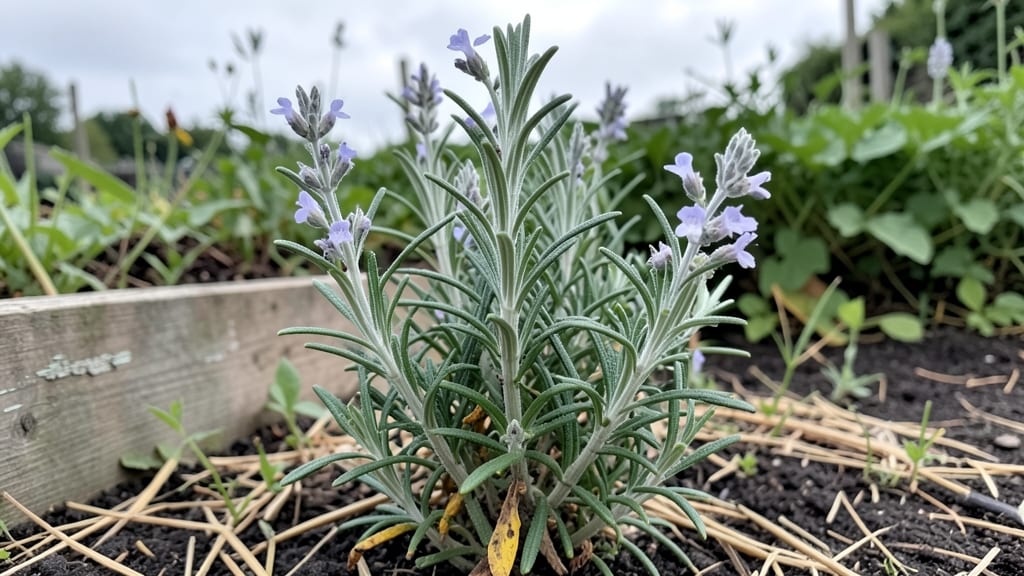
Rosemary plants bloom in late spring to early summer, typically between May and June, producing small blue-purple flowers that attract pollinators. Cold-hardy varieties may bloom slightly later in warmer climates, while over-pruning can delay or prevent flowering.
Timing matters when it comes to rosemary's flowering cycle—these Mediterranean natives thrive on consistent sunlight and cooler spring temperatures to trigger blooms. 🌿 In warmer regions like California or Arizona, you might see flowers push through as early as April, while northern gardeners often wait until late June.
The key is avoiding late-season pruning, which can confuse the plant's natural rhythm and push blooming into fall instead of spring.
Over-pruning isn't just about missing out on floral displays—it disrupts the plant's energy balance. Rosemary stores nutrients in its woody stems, so aggressive cuts can leave it struggling to recover before bloom season.
I always recommend light shaping in early spring, right after the first flush of new growth appears, to encourage both foliage and flowers without stressing the plant.
💡 In This Article
- Climate and Seasonal Factors Affecting Rosemary Blooms
- Pruning Rosemary for Healthier Blooms and Growth
Climate and seasonal factors affecting rosemary blooms
Rosemary's blooming cycle is tightly linked to its Mediterranean roots, where cool winters and warm springs create ideal conditions. The plant enters dormancy when temperatures drop below 40°F in winter, conserving energy until spring's lengthening daylight triggers flower buds.
This process is called vernalization, where exposure to cold temperatures for 4-6 weeks primes the plant for flowering. In colder USDA zones (5-7), this typically happens between March and April, while warmer zones (8-10) may see buds form as early as February.
The intensity of sunlight plays a crucial role too—rosemary requires at least 6-8 hours of direct sun daily to produce flowers. In cloudy regions like the Pacific Northwest, blooms may appear later or be less abundant because reduced sunlight delays photosynthesis.
Interestingly, rosemary's blue-purple flowers contain anthocyanins, pigments that protect against UV radiation—a natural adaptation to its sun-drenched native habitat. The scent of these flowers also intensifies in cooler morning temperatures, attracting early pollinators like bees and butterflies.
Heat stress during summer can actually inhibit blooming. When temperatures exceed 90°F for prolonged periods, rosemary shifts energy toward survival rather than reproduction. This is why coastal climates often produce more abundant blooms—the ocean breeze helps moderate temperatures.
In inland desert areas, plants may enter a semi-dormant state during peak summer heat, delaying flowering until late summer or early fall. The key is maintaining soil moisture without waterlogging, as rosemary's roots are sensitive to both drought and excess moisture.
Regional climate zones create significant variations in bloom timing. In USDA Zone 7 (like Virginia or Missouri), expect blooms between late May and June, while Zone 9 (California or Florida) may see flowers as early as April.
The difference comes from winter chill requirements—hardier varieties need 300-500 hours below 45°F to break dormancy properly. Without sufficient winter chill, some rosemary plants may produce foliage but skip flowering entirely, a condition called chill-hour deficiency.
Even within the same climate zone, microclimates matter. A rosemary plant growing against a south-facing brick wall will bloom 2-3 weeks earlier than one in an open garden bed due to the wall's heat absorption.
This "urban heat island" effect can create 10°F temperature differences in small spaces, significantly altering bloom timing. Gardeners in urban areas should consider this when planning rosemary locations—containers on patios often bloom later than in-ground plants because they cool more quickly at night.
What most people don't realize is that rosemary's flowering is also influenced by its growth stage. Mature plants (3+ years old) typically produce more abundant blooms than young ones because they've established stronger root systems.
The first flush of flowers often appears on second-year growth, which is why aggressive pruning of young plants can delay flowering by 1-2 years. This is particularly important for gardeners growing rosemary for both culinary and ornamental purposes—balancing pruning with bloom encouragement requires careful timing.