
Blooming
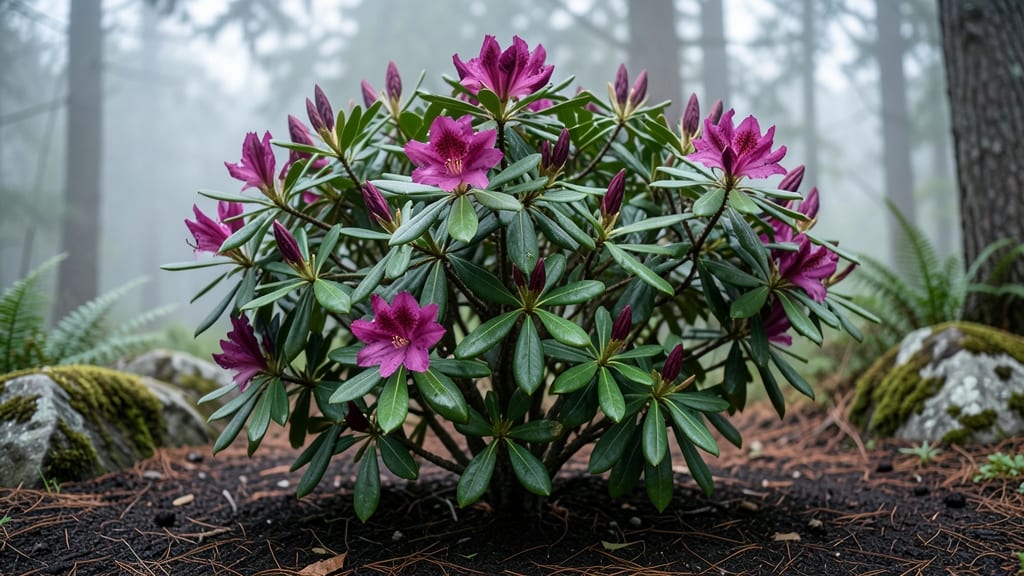
Rhododendrons in West Virginia bloom between mid-April and early June, with lower elevations (3,000–4,000 ft) flowering first (late April–May) and higher elevations (4,500+ ft) blooming later (May–June). Varieties like Rhododendron catawbiense peak in May, while early bloomers such as Rhododendron maximum may appear as early as April.
West Virginia's diverse elevations create a natural progression in bloom times, with lower areas enjoying earlier warmth and higher elevations waiting for frost-free conditions. 🌿 The state's Appalachian foothills often see the first blooms in late April, while mountain gardens at 4,500+ feet may not reach peak bloom until late May or early June.
This staggered timing creates stunning visual layers across the state, with gardeners in the panhandle potentially seeing flowers weeks before those in the higher elevations of Monongahela National Forest.
What's fascinating is how specific varieties respond to these conditions. For instance, Rhododendron maximum—our native great rhododendron—often blooms earliest because it's adapted to West Virginia's climate, while Rhododendron catawbiense thrives in the cooler mountain air and typically peaks in May.
The key to getting the most from your rhododendrons is understanding these patterns and selecting varieties that match your elevation zone.
💡 In This Article
- Climate and Elevation Factors Affecting Rhododendron Bloom Times
- Best Rhododendron Varieties for West Virginia Gardens by Bloom Season
Climate and elevation factors affecting Rhododendron bloom times
Rhododendrons in West Virginia follow a precise biological clock tied to temperature and elevation. These plants require 600-1,000 hours of chilling temperatures below 45°F during winter dormancy to trigger bud formation.
Lower elevations (3,000-4,000 ft) often meet this requirement earlier in spring due to milder nights, allowing buds to open as soon as daytime temperatures consistently reach 50-55°F. At higher elevations (4,500+ ft), colder nights delay budbreak until the air warms more steadily in late May.
The state's Appalachian topography creates microclimates where frost dates vary dramatically. In the panhandle region, average last frost dates occur around April 15-20, giving rhododendrons a 6-8 week window before summer heat arrives. Meanwhile, in the Allegheny Highlands, frost can linger until May 10-15, pushing bloom times later.
This elevation gradient explains why you might see Rhododendron maximum blooming in late April along the Ohio River while Rhododendron catawbiense waits until early June at Spruce Knob.
Heat tolerance thresholds also play a critical role. Most West Virginia rhododendrons struggle when daytime temperatures exceed 85°F for more than 3-4 days, which typically happens by late May in lower elevations. This heat stress causes buds to drop or flowers to wilt prematurely.
The higher elevations provide natural protection, allowing blooms to last longer into June when valley gardens are already wilting in the heat. 🌡️
Another fascinating factor is soil temperature. Rhododendrons prefer acidic soils that stay cooler than surrounding air temperatures. In West Virginia's limestone-rich areas, soil temperatures can lag behind air temperatures by 5-7 days, creating an additional delay in bloom times.
This is why rhododendrons in limestone valleys often bloom 1-2 weeks later than those in nearby acidic soils.
Gardeners can leverage these natural patterns by selecting varieties that match their specific elevation zone. For example, Rhododendron periclymenoides (pinkshell rhododendron) thrives in the 3,000-4,000 ft range and typically blooms in early May, while Rhododendron vaseyi prefers 4,500+ ft elevations and often blooms in late May.
Understanding these elevation-specific preferences helps create stunning layered displays across West Virginia's diverse landscapes.
What most gardeners don't realize is how wind patterns affect bloom timing. The prevailing westerly winds in West Virginia bring warmer air to eastern slopes first, creating a west-to-east bloom progression across mountain ridges.
This means rhododendrons on western-facing slopes often bloom 3-5 days earlier than those on eastern exposures at the same elevation. 🌬️