
Blooming
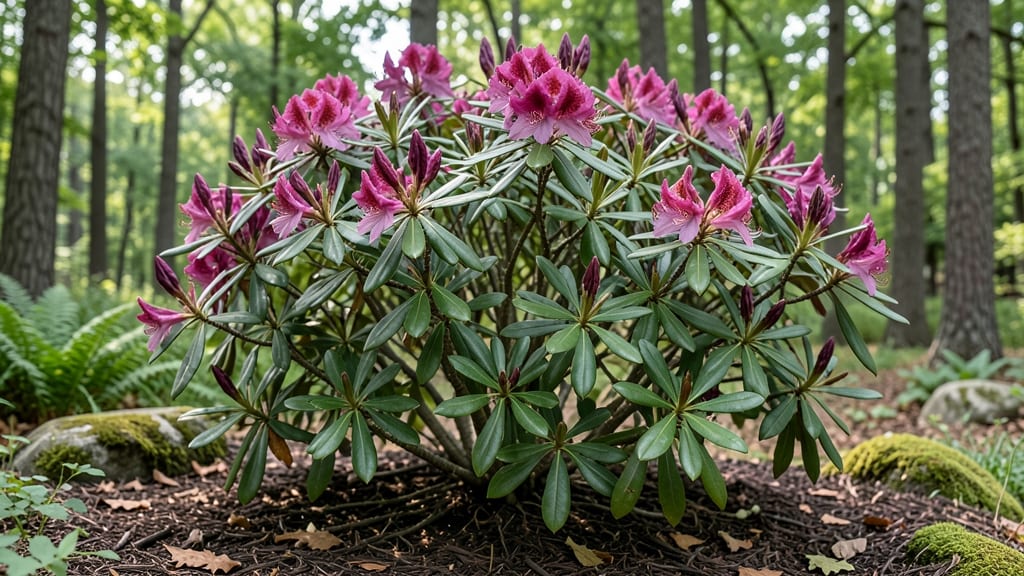
Rhododendrons in Massachusetts bloom between late April and early June 🌸, with timing depending on your hardiness zone and microclimate—so if you’ve ever missed their vibrant displays, you’re not alone.
Massachusetts gardeners eagerly await rhododendron blooms, but timing varies dramatically across the state’s diverse hardiness zones—knowing the right window ensures you don’t miss these stunning spring displays.
In Zone 5b (western MA), buds typically open in late April to early May, while coastal areas like Cape Cod may see blooms as late as mid-June due to milder winters. Even within a single yard, urban heat islands can push blooms 1-2 weeks earlier than rural spots.
Below, I’ll break down the exact bloom forecasts by zone, how to predict your local timing, and which rhododendron varieties bloom earliest or latest in Massachusetts.
Massachusetts rhododendron blooming timeline by hardiness zones
Massachusetts spans USDA hardiness zones 4 through 7, creating dramatic differences in rhododendron bloom times. In Zone 4 (northwest MA like Greenfield), expect blooms 2-3 weeks later than in Zone 7 (Cape Cod).
Even within zones, microclimates like urban Boston or coastal Nantucket shift timing by 10 days or more. Understanding these variations helps you plan pruning and fertilizer around peak bloom windows.
Most rhododendrons bloom in late April to early June, but early varieties like Rhododendron praecox may appear in mid-April in Zone 6, while late bloomers like Rhododendron catawbiense stretch into early July.
Coastal areas often see earlier blooms due to milder winters, while inland valleys like the Connecticut River can delay blooms by 10-14 days.
| Zone & Region | Early Bloomers | Peak Bloom | Late Bloomers | Notes |
|---|---|---|---|---|
| Zone 4 (Greenfield, North Adams) | Late May | Early June | Mid-June | Coldest zone; frost risk until June 1 |
| Zone 5 (Worcester, Springfield) | Mid-May | Late May | Early June | Urban areas bloom 3-5 days earlier |
| Zone 6 (Boston, Providence) | Early May | Mid-May | Late May | Coastal areas bloom earliest |
| Zone 7 (Cape Cod, Nantucket) | Late April | Early May | Mid-May | Mild winters; longest bloom season |
In Zone 4, gardeners should monitor bud swell in late April—a sign blooms will arrive by late May.
The Connecticut River Valley often experiences delayed blooms due to cold air pooling, while Boston's urban heat island can push early bloomers like Nova Zembla to open 10 days sooner than rural areas.
For Cape Cod, late April is prime time for early varieties like Rhododendron 'PJM', which thrives in coastal conditions.
Western Massachusetts, including the Berkshires, typically sees blooms 7-10 days later than eastern regions due to higher elevations and colder nights. If you're in Zone 5 or 6, plan for peak bloom in late May, but be ready to adjust if unseasonable warmth arrives in April.
Always check local frost dates—late frosts after May 15 can damage early blooming varieties.
For gardeners in Zone 7, the longest bloom season lasts from late April through June. This is ideal for extended color displays, but requires regular deadheading to encourage reblooming.
Coastal areas like Provincetown may even see fall blooms in September from varieties like Rhododendron 'Catawbiense', which thrives in mild maritime climates.
To extend your rhododendron's bloom time, prune immediately after flowering (June-July) to avoid cutting off next year's buds. In Zone 4-5, protect new growth with burlap wraps if late frosts threaten.
For Zone 6-7, focus on mulching to maintain even soil moisture, which helps sustain longer bloom periods.
Regional variations also apply to flower color intensity. Inland areas often produce brighter blooms due to more sunlight exposure, while coastal rhododendrons may have softer hues from higher humidity levels.
If you're in Boston or Providence, expect vibrant pinks and purples in early May, while Western MA gardeners should wait until mid-May for peak color.
For reliable blooming, choose PJM rhododendrons—they bloom 2-3 weeks earlier than average and tolerate Zone 3-7 conditions. Pair them with late bloomers like Catawbiense to stretch your spring color show
How to predict your local rhododendron bloom time
Predicting when your rhododendrons will bloom in Massachusetts requires more than just checking a calendar. The last frost date and microclimates play huge roles—urban areas like Boston often bloom 1-2 weeks earlier than rural spots in the Berkshires.
Start by tracking your local frost dates (typically April 15 in most zones) and adjust for your specific location.
Rhododendrons begin their bloom cycle when they’ve accumulated enough degree-days (a measure of heat accumulation). In Massachusetts, this usually happens between late April and early May, but early bloomers like 'Nova Zembla' might push buds earlier.
Watch for bud swell—when buds plump up and turn pinkish—this is your first clue they’re ready to burst into color.
- 1
- 2
- 3
- 4
Don’t overlook the impact of weather—a late frost can delay blooms by 2-3 weeks, while a warm winter may trigger early bud formation. For example, if your rhododendron buds swell in late March but a hard frost hits, they may drop off entirely.
Keep a garden journal to track patterns over years.
If you’re planting new rhododendrons, choose varieties that match your local bloom window. For instance, 'Nova Zembla' (early) thrives in Zone 5b, while 'Catawbiense' (late) suits Zone 6b.
Mulch heavily in fall to protect roots from temperature fluctuations, which can stress plants and affect next year’s bloom time.
Finally, prune after blooming to avoid cutting off next year’s flower buds. A light trim in June or July keeps your shrubs healthy and blooming reliably for decades. With these tips, you’ll never miss your rhododendron’s spectacular spring show again! 🌸