
Blooming
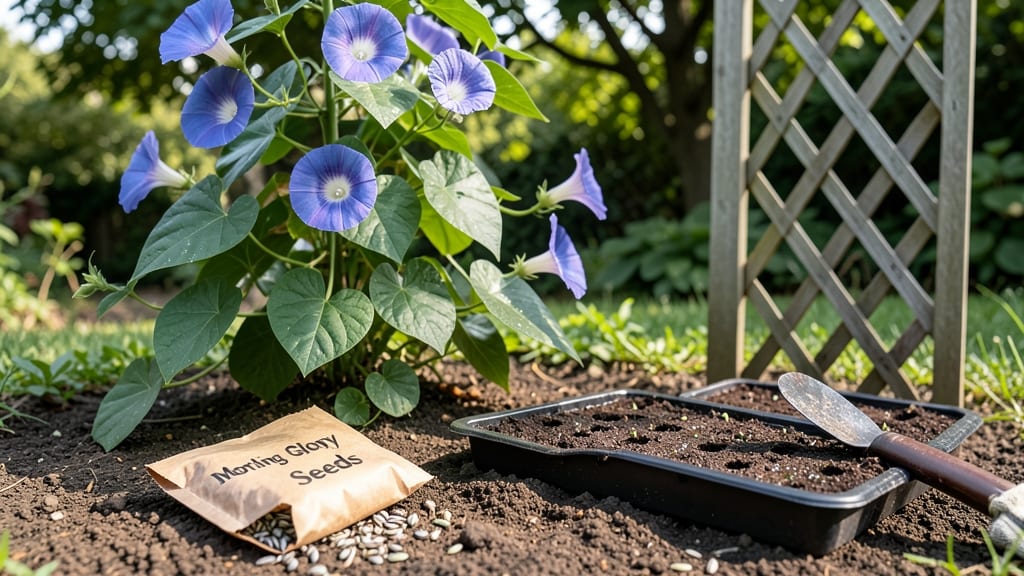
Morning glories bloom from seed in 60 to 90 days—a fast cycle that turns your garden into a vertical rainbow, but only if you time it right.
Picture this: you drop those tiny seeds into warm soil in April, and by midsummer, your trellis is draped in vibrant 🌸 blooms. But here’s the catch—soil temperature and variety make all the difference.
Too cool, and they’ll dawdle; too hot, and they might bolt before showing off their best colors.
Whether you’re in Zone 6a or further south, the key is planting when the ground hits 60°F—that’s the magic number for speedy germination. Some varieties, like ‘Heavenly Blue,’ race to bloom in just 60 days, while others take closer to 90 days to show their faces.
Below, I’ll break down the exact timeline by seed type, how to tweak soil and light for faster blooms, and why some years your morning glories seem to sprint while others crawl.
How long until morning glories bloom from seed: fastest varieties explained
Morning glories are fast-growing annuals that can transform your garden into a vertical masterpiece in just 60–90 days from seed. The key to predicting bloom times lies in choosing the right variety and understanding their growth stages.
Some varieties, like 'Heavenly Blue', bloom in as little as 60 days, while others take closer to 90 days. Let’s break down the timelines so you can plan your garden like a pro.
All morning glory varieties follow a similar growth pattern: germination (5–14 days), seedling stage (14–30 days), and vegetative growth (30–60 days) before flowering. However, the speed of blooming varies dramatically between cultivars.
For example, 'Fountain of Heaven' typically blooms in 70–80 days, while 'Star of Bethlehem' can take up to 90 days. These differences are influenced by genetics, soil warmth, and sunlight exposure.
Here’s the non-negotiable rule: morning glories need consistent soil temperatures above 60°F (15°C) to germinate quickly. If your climate is cooler, you can extend bloom times by 2–4 weeks.
For instance, in USDA Zone 5, planting in late May might delay blooms until mid-July, while in Zone 9, early April plantings can yield flowers by late May. Always check your last frost date and adjust accordingly.
Pro Tip: If you’re eager for blooms, opt for pre-sprouted seeds or start seeds indoors under grow lights 4–6 weeks before the last frost. This cuts 10–15 days off your timeline, giving you a head start on the season. Just be sure to harden off seedlings before transplanting to avoid shock.
If you’re planting in cooler climates (Zones 3–5), consider using a black plastic mulch to warm the soil faster. This can shave off 7–10 days from your germination time.
For example, in Zone 4, planting 'Heavenly Blue' with black mulch might get you blooms by late June instead of mid-July. In warmer zones (Zones 8–10), you can start seeds as early as February for blooms by April, but be mindful of heat stress.
Another game-changer is succession planting. Instead of sowing all your seeds at once, plant a new batch every 2 weeks to ensure continuous blooms throughout the season. This works especially well for 'Scarlet O’Hara', which blooms earlier than most varieties. For instance, if you plant the first batch
Soil temperature secrets: the hidden factor that speeds up (or delays) blooms
Soil temperature is the silent hero behind fast-growing morning glories. While you focus on sunlight and water, the ground's warmth determines whether your seeds sprout in 5 days or linger for weeks.
Morning glories thrive when soil hits 60–85°F (15–29°C), but cooler or hotter temps throw their growth cycle off track.
Cold soil below 50°F (10°C) slows germination to a crawl, while extreme heat above 90°F (32°C) can scorch delicate seedlings. The sweet spot? 70°F (21°C)—where morning glories go from "maybe" to "watch them explode in 60 days."
Compare morning glories to other fast-blooming vines like nasturtiums (10–14 days) or black-eyed Susans (30–45 days). Morning glories fall in the middle but win for dramatic, long-lasting blooms. The trick? Pre-warm your soil by covering beds with black plastic 1–2 weeks before planting to jumpstart germination.
For cold climates, opt for Heavenly Blue varieties—they tolerate cooler soils better than Fountain of Heaven types. In hot zones, shade cloth during peak afternoon sun prevents heat stress while keeping temps ideal for growth.
Troubleshoot slow blooms by checking soil depth—morning glories need 6+ inches of warmed soil for roots to thrive. A simple soil thermometer (under $10) reveals the truth: is your ground ready, or are you waiting for Mother Nature to cooperate?
Pro tip: Plant nasturtiums alongside morning glories. Their faster germination (7–10 days) acts as a "canary in the coal mine"—if they sprout quickly, your morning glories are on track. If not, adjust your soil prep or wait for warmer days.