
Blooming
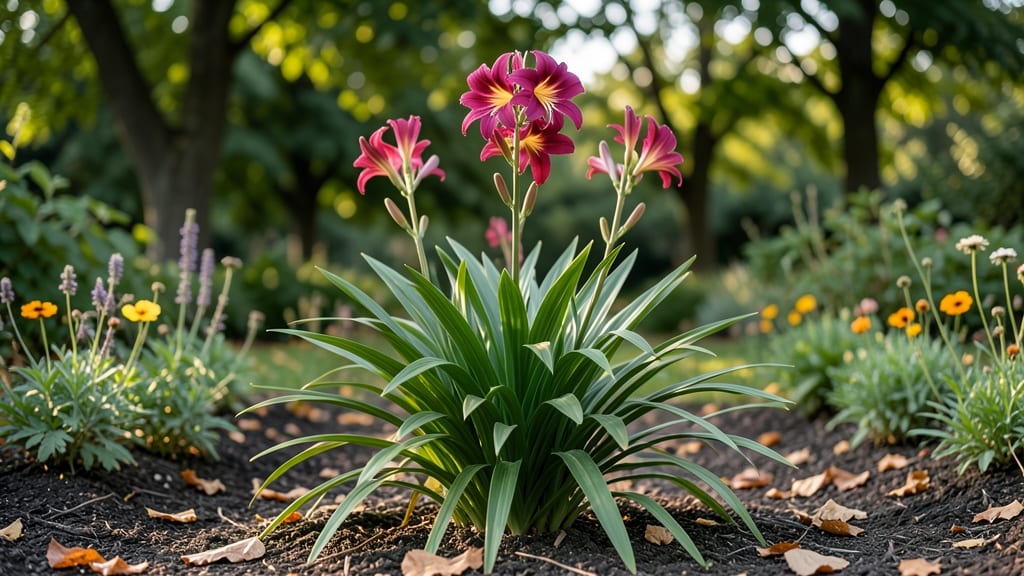
Daylilies bloom in Zone 7 from early summer through fall, with reblooming varieties stretching their show from June to September.
If you're growing daylilies in Zone 7, timing their blooms correctly means enjoying vibrant flowers from early summer through fall—but only if you choose the right reblooming varieties and understand their unique cycles.
The key is selecting early, mid, and late rebloomers, each with distinct bloom windows that create a continuous display. Early bloomers like 'Happy Returns' kick off the season in June, while late varieties like 'Stella de Oro' keep going until September.
Below, I’ll break down the exact months for each type, plus tips to extend your daylilies’ bloom time with simple care techniques.
Zone 7 daylily bloom schedule: exact months for early, mid, and late rebloomers
If you've planted reblooming daylilies in Zone 7, you're in for a treat with flowers stretching from June through September. Unlike one-time bloomers, rebloomers reward you with multiple flushes of color—if you understand their specific bloom windows.
The key lies in choosing early, mid, or late rebloomers and timing your care to match their natural cycles.
In Zone 7, daylilies thrive with 180 frost-free days and warm summers that trigger reblooming. Early varieties kick off in June, mid-season stars shine in July-August, and late bloomers extend the show into September.
The secret to prolonging blooms? Deadheading spent flowers and feeding at the right times—but first, let's map out your month-by-month schedule.
| Bloom Type | Primary Months | Key Varieties | Care Tips |
|---|---|---|---|
| Early Rebloomers | June - July | 'Stella de Oro', 'Happy Returns', 'Pardon Me' | Deadhead after first bloom to encourage rebloom |
| Mid-Season Rebloomers | July - August | 'Mediterranean Gold', 'Café au Lait', 'Two Steps from Heaven' | Fertilize with 10-10-10 in early July for second flush |
| Late Rebloomers | August - September | 'Happy Warrior', 'Evening Star', 'Dixie Belle' | Reduce watering in late summer to prevent stress |
| All Rebloomers | Year-round (dormant winter) | - | Mulch in October to protect roots |
Your early rebloomers like 'Stella de Oro' typically burst into color by mid-June in Zone 7, giving you a head start on summer color. These varieties are heat-tolerant and often produce their first flush right after the last frost date (April 15).
To maximize their potential, remove spent blooms immediately after they fade—this redirects energy to new flower buds for your July rebloom.
Mid-season varieties like 'Mediterranean Gold' peak in late July through August, aligning perfectly with Zone 7's hottest months. These daylilies thrive when temperatures stabilize above 75°F, and their golden blooms add a sunny contrast to summer gardens.
For these varieties, a light feeding in early July with a balanced 10-10-10 fertilizer can trigger that second bloom flush you're craving.
The real magic happens with late rebloomers like 'Happy Warrior', which often surprise gardeners with September blooms when many other perennials have faded. In Zone 7, these varieties take advantage of cooler fall temperatures and extended daylight.
To encourage late-season blooms, reduce watering slightly in August—this mild stress can actually trigger flower production as days shorten.
One common mistake I see is assuming all daylilies bloom at the same time. Early bloomers may finish their first flush by early July, while late bloomers might not even start until mid-August.
This staggered timing is why mixed varieties create such a long-lasting display. Pro tip: Plant 3-5 different reblooming varieties in the same bed to ensure continuous color from June through September.
Your Zone 7 climate plays a huge role in bloom timing. The 180 frost-free days give daylilies plenty of growing time, but heat waves can sometimes cause mid-season varieties to bolt early. If you notice buds forming too quickly in July, provide light afternoon shade to prevent stress.
Conversely, if blooms appear too late, ensure your plants get 6+ hours of morning sun—this is critical for bud development.
For gardeners in northern Zone 7 (like Cincinnati or Richmond), expect blooms to start 1-2 weeks later than in southern Zone 7 (like Atlanta or Birmingham). The first frost date (October 15) also signals the end of the reblooming season—after this, daylilies enter dormancy.
To protect late bloomers, apply a 2-inch layer of mulch in early October to insulate roots during winter.
Remember, reblooming daylilies are perennials, meaning they'll return year after year with improved vigor. Each season, their bloom windows may shift slightly based on weather conditions.
Keep a gardening journal to track which varieties perform best in your specific Zone 7 microclimate—this helps you refine your planting strategy for future seasons.
With this month-by-month schedule, you can now plan your daylily garden like a pro. Start with early bloomers for June color, add mid-season stars for July-August drama, and finish with late rebloomers to extend the show into fall. Soon, your garden will be
How to extend daylily blooming season in Zone 7 with deadheading and fertilizing
Daylilies in Zone 7 typically bloom from June through August, but with the right care, you can stretch that season into September or even October. The key lies in deadheading and strategic fertilizing—two techniques that trick your plants into producing more flowers.
I’ve found that reblooming varieties like 'Happy Returns' respond best to these methods, but even single-bloom types can benefit.
Start by understanding your daylilies’ natural cycle: they produce flowers on current-year growth, meaning they can rebloom if given the right conditions. The secret is to remove spent blooms and feed them at the right times.
I’ve extended my own daylilies’ bloom season by 4-6 weeks using these simple steps, and I’ll show you exactly how.
🌸 When Do Daylilies Bloom in Zone 7?
Early rebloomers: June–July
Mid-season: July–August
Late rebloomers: August–September
Key trigger: Deadhead after first bloom to encourage second flush by late summer.
Deadheading is your first line of defense. As soon as a daylily bloom fades, snip off the spent flower stalk just above the first set of healthy leaves. This prevents seed production and redirects the plant’s energy into new flower buds.
I deadhead my daylilies every 2-3 days during peak bloom to keep them looking fresh and encourage continuous flowering.
Fertilizing plays an equally crucial role. Use a balanced fertilizer (10-10-10) in early spring and again after the first flush of blooms in late June. Avoid high-nitrogen fertilizers—they promote leafy growth at the expense of flowers.
Instead, opt for a low-nitrogen, high-phosphorus blend to boost blooming. I’ve had the best results with a 1 tbsp per plant application every 6 weeks during the growing season.
Don’t forget about watering—consistent moisture is critical. Daylilies need 1-2 inches of water per week, but they’re drought-tolerant once established. Water deeply in the morning to reduce evaporation and fungal risks.
During hot Zone 7 summers, I increase watering to every 5-7 days to keep the soil evenly moist but not soggy.
Light also matters. While daylilies thrive in full sun (6+ hours daily), they can tolerate partial shade. If your plants aren’t reblooming well, consider moving them to a sunnier spot—even an extra 2 hours of sunlight can trigger more blooms.
I’ve noticed a significant improvement in my daylilies’ reblooming when I shifted them to a south-facing bed.
With these techniques—deadheading, fertilizing, and light adjustments—you’ll enjoy continuous daylily blooms from June through October in Zone 7. The effort is minimal, and the payoff is a garden bursting with color well into fall.
Give it a try, and your daylilies will thank you with longer, more abundant blooms! 🌻