
Blooming
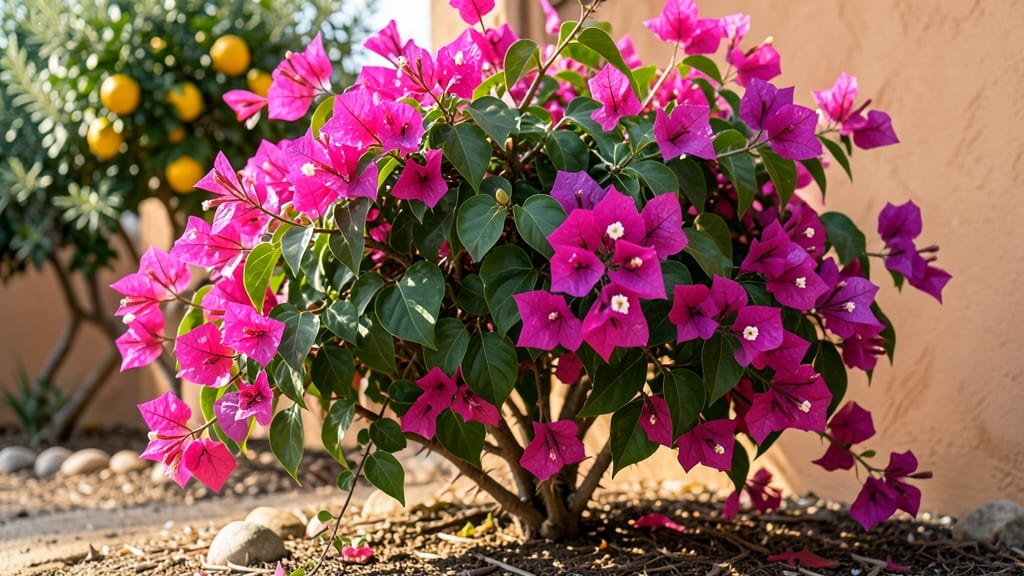
Bougainvillea blooms in Florida from early spring through fall, with the most vibrant displays appearing between March and May and again in September and October.
If you’re dreaming of vibrant purple, pink, or orange blooms cascading over your Florida fence or balcony, timing is everything—bougainvillea thrives in the Sunshine State but only bursts into color during very specific months, depending on your region and variety.
Why does this matter? Florida’s frost-free climate means bougainvillea can grow year-round, but cooler winter temperatures in North Florida (Zones 8A–9A) may trigger a brief dormancy, delaying spring blooms by a few weeks.
In this guide, I’ll break down the exact months to expect flowers by variety, how to encourage longer blooming seasons, and the one pruning trick that keeps your bougainvillea 🌸 flowering nonstop.
Florida bougainvillea bloom seasons by heat zone: exact months to expect flowers
Florida’s bougainvillea plants burst into color during very specific months, depending on your USDA heat zone (8A–10A) and variety.
Unlike many plants, bougainvillea blooms are triggered by temperature shifts, not just daylight hours—so knowing your ZIP code’s climate pattern is key to predicting when those vibrant bracts will appear.
In North Florida (zones 8A–8B), like Jacksonville or Tallahassee, bougainvillea often experiences a winter dormancy period that resets blooming cycles. Meanwhile, South Florida (zones 10A–10B), such as Miami or Fort Lauderdale, can enjoy year-round blooming with proper care.
Let’s break down the exact months you can expect flowers in each zone.
Pro Tip: Bougainvillea blooms are actually paper-like bracts (not the tiny white flowers inside). These bracts change color based on temperature and sunlight, so cooler mornings in spring often trigger the most vibrant pink, purple, or orange hues.
In North Florida (zones 8A–8B), bougainvillea often needs a winter chill period (temperatures dipping below 50°F) to trigger new blooms.
This is why you’ll see peak blooms in April–May—the plant responds to warming temperatures after a cooler winter. Prune lightly in late winter to encourage fresh growth for spring blooms.
Moving south to Central Florida (zones 9A–9B), the bloom cycle shifts earlier. Orlando and Tampa gardeners can expect first blooms as early as mid-February, with a secondary flush in late summer (August–September).
The key here is avoiding heavy pruning during bloom time, as this can shock the plant and reduce flower production.
For South Florida (zones 10A–10B), bougainvillea is a year-round bloomer if given the right care. Miami and Key West varieties often show continuous blooms, but you’ll still see peak intensity in winter (December–February) due to cooler, drier air. Heavy summer rains can cause bracts to fade, so
How to extend bougainvillea blooms in Florida: pruning, fertilizing, and heat hacks
Florida’s bougainvillea plants can bloom year-round with the right care, but most gardeners see peak color in spring and fall. The key to extending those vibrant purple, pink, or orange bracts lies in understanding Florida’s unique climate challenges—from sudden cold snaps to summer droughts.
With strategic pruning, fertilizing, and heat management, you can turn your bougainvillea into a non-stop flowering powerhouse.
First, let’s address the biggest misconception: pruning after blooms won’t help—it actually removes next season’s flower buds. Instead, prune before the blooming season (late winter or early spring) to encourage fresh, vigorous growth that will produce more flowers.
This is especially critical in North Florida’s cooler zones (8A-9A), where plants need a little extra coaxing to rebound.
Spring pruning (Feb-Mar) triggers summer blooms, while fall pruning (Oct-Nov) sets up winter/early spring flowers. Avoid heavy pruning in July-August when plants are heat-stressed.
Use a low-nitrogen, high-phosphorus fertilizer (7-9-5) every 6-8 weeks during growing season (March-October). Avoid high-nitrogen—it promotes leafy growth at the expense of flowers. Florida’s sandy soil often lacks phosphorus, so a bone meal supplement in spring can work wonders.
When temperatures hit 95°F+, bougainvillea can drop buds and bracts. Provide afternoon shade with lightweight shade cloth (30-50%) during peak summer months. Mulch heavily to retain moisture and protect roots from extreme heat fluctuations.
Even though Florida rarely freezes, temperatures below 40°F can damage bougainvillea. Wrap young plants with burlap or frost cloth during cold fronts. Mature plants in South Florida (Zone 10A+) often survive fine, but North Florida varieties need extra protection.
Don’t forget about watering strategies—bougainvillea is drought-tolerant but blooms best with consistent moisture. Water deeply once every 3-5 days during dry spells, focusing on the root zone. Overhead watering can lead to fungal issues, so use drip irrigation or soaker hoses for best results.
The morning is the ideal time to water, allowing foliage to dry before evening humidity sets in.
With these Florida-specific hacks, your bougainvillea can maintain continuous blooms for months instead of just a few weeks. The secret is working with Florida’s climate rather than against it—pruning at the right times, feeding smartly, and protecting plants from both heat stress and cold snaps.
Start implementing these tips now, and you’ll enjoy year-round color that makes your Florida garden the envy of the neighborhood! 🌸