
Blooming
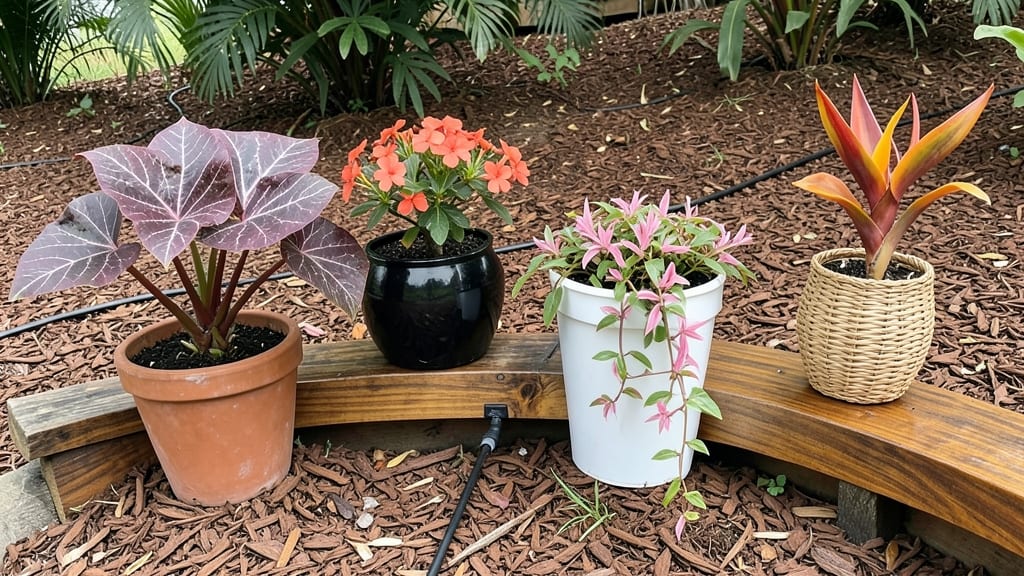
Perennial flowers that bloom all year need the right climate and care—tropical varieties like hibiscus and bougainvillea thrive in warm regions, while temperate zones rely on layered plants such as hellebores and everblooming roses for continuous color.
Year-round blooming isn't just about picking the right flowers—it's about understanding their natural rhythms. 🌸 Tropical perennials like plumeria and hibiscus rely on consistent warmth and humidity, while temperate varieties like hellebores and heleniums have adapted to seasonal changes.
Many so-called "everblooming" roses actually have staggered bloom cycles, creating the illusion of continuous flowers. The key is matching plants to your local climate and providing consistent moisture and sunlight to extend their natural bloom periods.
For example, in Zone 7, you might combine hellebores (early spring blooms) with late-season heleniums to create a seamless transition, while tropical gardens can mix bougainvillea with frangipani for vibrant year-round displays. Proper soil preparation and regular deadheading also play crucial roles in encouraging prolonged flowering.
Understanding these nuances makes the difference between a garden that just "looks good" and one that truly blooms all year.
💡 In This Article
- Climate Science Behind Year-Round Blooming Perennials
- Top Year-Blooming Perennials for Different Zones
Climate science behind year-round blooming perennials
The ability of certain perennials to bloom continuously hinges on their biological adaptations to specific climate conditions. Tropical perennials like hibiscus and bougainvillea thrive in regions with average temperatures above 60°F year-round, where consistent warmth prevents the metabolic slowdown that triggers dormancy in temperate plants.
These species have evolved to maintain active growth cycles, with their flowering triggers tied to photoperiod (daylight length) rather than temperature shifts. 🌿 For instance, hibiscus flowers open in response to morning sunlight, a behavior that continues uninterrupted in tropical climates where days remain relatively consistent in length.
In contrast, temperate perennials like hellebores and heleniums have developed strategies to survive seasonal changes while still producing flowers. Hellebores, for example, bloom in early spring when soil temperatures reach 40-50°F, taking advantage of the brief window before summer heat arrives.
Their deep root systems allow them to access moisture even in dry conditions, while their evergreen foliage provides a visual bridge between seasons.
The key difference lies in their dormancy mechanisms: tropical plants never fully enter dormancy, while temperate varieties have staggered bloom cycles that create the illusion of continuous flowering.
Humidity plays an equally critical role, particularly for tropical species. Bougainvillea, for instance, requires 50-70% relative humidity to maintain vibrant blooms, as low humidity causes flower buds to dry out before opening.
In temperate zones, plants like roses compensate with waxy leaf coatings that reduce water loss, while their root systems extend deeper to access moisture during dry periods.
The science behind this involves phytohormones like gibberellins, which regulate growth and flowering in response to environmental cues - in tropical plants, these hormones remain active year-round, while temperate plants have seasonal fluctuations tied to temperature changes.
Light exposure also creates distinct patterns between these groups. Tropical perennials often thrive in full sun (6+ hours daily), while many temperate varieties tolerate partial shade.
This is because tropical species have evolved to maximize photosynthesis during intense sunlight, whereas temperate plants often grow under deciduous canopies that filter light. For example, plumeria requires direct sunlight to trigger flowering, while hellebores can bloom under the dappled light of shade trees.
Understanding these light requirements helps gardeners create optimal growing conditions for year-round color.
What most gardeners don't realize is that even "everblooming" roses have specific triggers. Many so-called continuous bloomers actually produce flowers in waves, with each flush lasting 4-6 weeks before requiring deadheading to stimulate new growth.
The secret to extending their bloom periods lies in maintaining consistent moisture (about 1-1.5 inches per week) and using slow-release fertilizers that provide steady nutrients without encouraging rapid, unsustainable growth. This careful balance between environmental conditions and plant biology is what creates the appearance of true year-round blooming.
The most successful year-round gardens often combine both approaches - using tropical plants in containers that can be moved indoors during cold snaps, or creating layered plantings where early, mid, and late-season bloomers overlap.
For instance, pairing spring-blooming hellebores with summer heleniums and fall asters creates a seamless transition that fools the eye into seeing continuous color. The science behind these combinations involves understanding each plant's specific temperature thresholds and bloom triggers, then arranging them so their flowering periods overlap strategically.