
Blooming
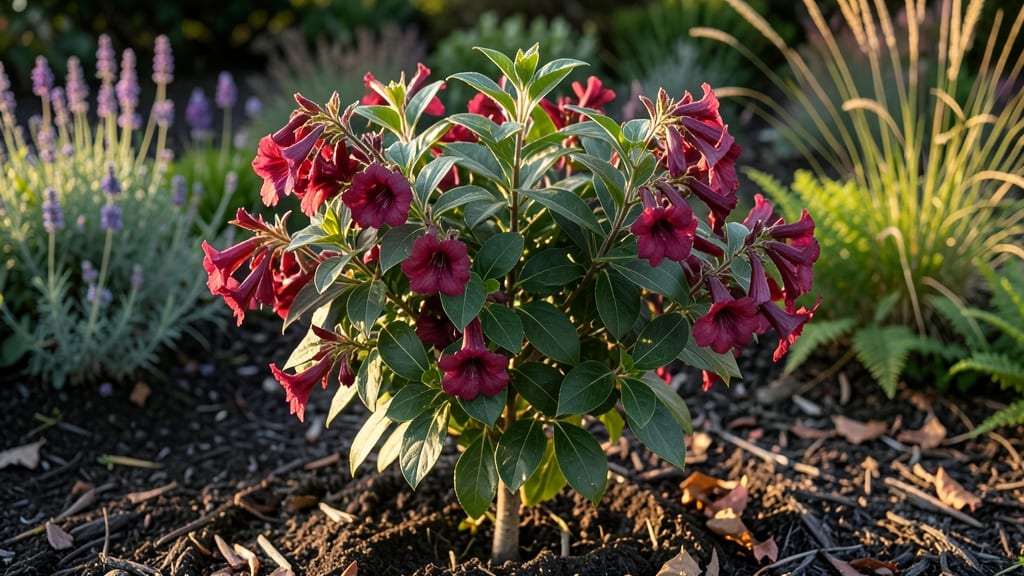
Weigela 'Sonic Bloom Wine' turns your garden into a wine-stained masterpiece with its heat-resistant, wine-red blooms that keep reblooming all season. 🌸 I fell for this variety after my first summer with it—while other weigelas faded in the heat, this one thrived, producing bright, trumpet-shaped flowers from spring until frost.
The deep burgundy foliage adds drama, making it a standout in any landscape.
This powerhouse grows best in full sun to partial shade (at least 4-6 hours of sunlight daily) and tolerates a range of soils, though it prefers well-draining, slightly acidic soil.
Plant it in spring or early fall for the best root establishment, and space plants 3-5 feet apart to give them room to spread. Unlike fussy varieties, 'Sonic Bloom Wine' handles heat and humidity like a champ, making it perfect for hotter climates.
Pruning is the secret to its reblooming magic—cut back dead or crossing branches in late winter, then trim lightly after each bloom cycle to encourage more flowers. Water deeply once a week (more in extreme heat), and mulch to retain moisture.
With the right care, you’ll get waves of blooms that last longer than most shrubs, and the fragrance? Lightly sweet, like a summer breeze.
Pair it with purple coneflowers, lavender, or silver foliage plants to create a striking color contrast, or let it shine solo as a focal point. If pests like aphids or spider mites appear, a strong spray of water usually does the trick—this tough shrub rarely needs harsh interventions.
Once established, it’s basically low-maintenance glamour for your garden.
📚 In This Guide
- What you need
- Instructions
- Tips and common mistakes
- Wrapping up and next steps
What you need
- ● Weigela 'Sonic Bloom' plant: 1 healthy, mature plant (3–4 feet tall, zones 4–8). Look for vibrant foliage and buds for best results!
- ● Well-draining soil: 5–10 gallons of a mix of 50% garden soil, 30% compost, and 20% perlite or sand (for aeration).
- ● Organic fertilizer: 1 lb of balanced 10-10-10 or slow-release 5-10-5 fertilizer.
- ● Mulch: 2–3 inches of wood chips or shredded bark to retain moisture and suppress weeds.
- ● Watering can or hose: With a gentle spray nozzle for hydration.
- ● Garden gloves: 1 pair (to protect hands while planting/pruning).
- ● Trowel or shovel: For digging and transplanting.
- ● Pruning shears: Bypass-style (sharp and clean) for shaping.
- ● Sunlight spot: Full sun (6+ hours/day) or partial shade (4–6 hours) in hot climates.
- ○ Drip irrigation system (optional): For consistent moisture in dry areas.
- ● Epsom salt: 1 tbsp per gallon of water (monthly for magnesium boost).
- ● Plant support: Small stakes or a cage if your Weigela grows tall.
- ● Fungicide spray: Neem oil-based (preventative for powdery mildew).
- ● Slow-release fertilizer spikes: For hassle-free nutrition.
Step-by-step guide to planting and cultivating Weigela 'Sonic Bloom' Wine
This heat-tolerant stunner thrives with minimal fuss once you nail these key steps.
🌱 Step 1: Select and Prepare the Planting Site
Weigela 'Sonic Bloom' Wine loves full sun to partial shade—6+ hours of direct sunlight yields the most vibrant blooms. I always choose a spot with afternoon shade in hot climates, as the foliage can scorch in intense afternoon sun. The soil should drain well but retain moisture; amending heavy clay with 2-3 inches of compost improves aeration and nutrient availability.
Dig a hole twice as wide as the root ball but only as deep as the container's base. Loosen the roots gently if they're circling—this encourages outward growth. I like to water the hole deeply before planting to settle the soil and remove air pockets.
☀️ Step 2: Plant at the Right Depth and Stake for Support
Position the plant so the top of the root ball sits 1 inch above ground level. Weigela grows vigorously, and burying the stem too deeply can lead to rot. Backfill with native soil mixed with compost, tamping lightly as you go to eliminate air pockets. Water thoroughly after planting to help the soil settle around the roots.
Stake immediately if your Weigela is leggy or in a windy location. Use two stakes positioned on opposite sides of the plant and tie the main stems loosely with soft plant ties. This prevents stem breakage during the first growing season when new growth is most vulnerable.
💧 Step 3: Water Deeply and Establish a Consistent Routine
Water deeply 2-3 times per week during the first growing season, ensuring the soil is moist 6 inches deep. Weigela is drought-tolerant once established but produces fewer blooms when stressed. I check moisture by inserting my finger into the soil—if it feels dry at 2 inches down, it's time to water.
Mulch with 2-3 inches of organic mulch (like shredded bark) to retain moisture and regulate soil temperature. Keep the mulch 2 inches away from the stem to prevent rot. Avoid overwatering; soggy soil invites root rot, which can kill your plant quickly.
✂️ Step 4: Prune for Bushier Growth and More Blooms
Prune immediately after flowering to encourage next year's blooms. Cut back the current season's growth by one-third to promote bushier, more compact growth. Remove any dead, diseased, or crossing branches first—they compete with healthy growth for resources.
Shape the plant by thinning out crowded branches to improve airflow. This reduces disease risk and ensures sunlight reaches all parts of the plant. I always sterilize my pruners with rubbing alcohol between cuts to prevent spreading pathogens.
🌿 Step 5: Fertilize for Vibrant, Heat-Resistant Blooms
Apply a balanced, slow-release fertilizer (10-10-10) in early spring and again after flowering. Weigela responds well to organic options like composted manure or fish emulsion. Avoid high-nitrogen fertilizers—they promote leafy growth at the expense of flowers.
Watch for signs of nutrient deficiency: yellowing leaves often indicate nitrogen deficiency, while purple stems suggest phosphorus needs. I like to side-dress with compost in late summer to provide a gentle nutrient boost for the following year's growth.
Tips & tricks for perfect Weigela 'Sonic Bloom' Wine cultivation
Transform your garden into a vibrant display with these game-changing strategies for nurturing this standout variety.
Sunlight Mastery: While the instructions highlight 6+ hours of sunlight, I've found that morning sun paired with afternoon shade in hotter climates (zones 7-9) actually produces more abundant blooms. The key is to avoid the harshest afternoon rays that can cause leaf scorch. If your location gets intense afternoon sun, consider a location with filtered light through nearby trees or a partial shade cloth during peak heat hours.
Root Ball Preparation: The instructions mention loosening circling roots, but I take this a step further by creating small vertical cuts with a clean knife around the root ball's perimeter before planting. This encourages more vigorous root expansion into the surrounding soil. Just be gentle—you don't want to damage the main root structure. This technique has helped my Weigelas establish twice as quickly in heavy clay soils.
Watering Wisdom: The recommended 2-3 times per week watering is perfect, but I've developed a simple trick to ensure consistent moisture without overwatering: use a moisture meter or stick your finger 2 inches down as instructed, but also check the soil's texture. Sandy soils will need more frequent watering, while clay soils can go slightly longer between waterings. The goal is to keep the soil consistently moist at 6 inches deep, not soggy at the surface.
Pruning Precision: When pruning back by one-third after flowering, I focus on removing the oldest wood first—this stimulates new growth from the base. I also make my cuts just above a leaf node or bud, always at a 45-degree angle. This technique promotes bushier growth and more flowering stems next season. Remember to sterilize your pruners between cuts to prevent spreading any potential diseases that might be hiding in the plant.
Pro Tips for Weigela Sonic Bloom Wine
- Transform your garden into a vibrant display with these game-changing strategies for nurturing this standout variety.
- Sunlight Mastery: While the instructions highlight 6+ hours of sunlight, I've found that morning sun paired with afternoon shade in hotter climates (zones 7-9) actually produces more abundant blooms.
- Root Ball Preparation: The instructions mention loosening circling roots, but I take this a step further by creating small vertical cuts with a clean knife around the root ball's perimeter before planting.
Frequently asked questions
about Weigela 'Sonic Bloom' Wine—your go-to guide for quick answers!How does 'Sonic Bloom' handle extreme heat?
Weigela 'Sonic Bloom' Wine is bred for heat resistance, thriving in zones 5-9. Its reblooming habit ensures vibrant blooms even in hot summers—just keep soil moist and provide afternoon shade in scorching climates.
When is the best time to prune for more blooms?
Prune Weigela 'Sonic Bloom' right after flowering (late spring) to encourage reblooming. Avoid heavy cuts—focus on shaping and removing dead wood. Never prune in fall; it can stunt next year’s blooms!
Can I grow 'Sonic Bloom' in containers?
This compact shrub thrives in 15-20 gallon containers with well-draining soil. Choose a pot with drainage holes, and fertilize lightly during growing season. Reblooming may be slightly reduced, but it’s perfect for patios and small gardens!
Why aren’t my blooms lasting long?
Short-lived blooms often mean overwatering or poor drainage. Ensure soil dries slightly between waterings and mulch to retain moisture. Deadhead spent flowers to encourage reblooming—but avoid heavy pruning mid-season!
What’s a good alternative if I want reblooming but less maintenance?
Try Spirea 'Goldflame' or Abelia 'Kaleidoscope'—both are heat-tolerant and rebloom with minimal fuss. Weigela 'Sonic Bloom' is still top-tier for bold color and long-season interest, though!
Wrapping up and next steps
The Weigela 'Sonic Bloom' Wine is a standout choice for gardeners seeking vibrant, heat-resistant blooms that keep coming back for more. Its striking pink flowers, compact size, and reblooming nature make it a low-maintenance yet high-impact addition to any landscape.
Whether you're a seasoned gardener or just starting out, this plant delivers color and resilience with minimal fuss.
Ready to transform your garden? Plant one today—your space (and pollinators!) will thank you. 🌸 For extra tips, check out our FAQ section or explore other heat-loving plants to round out your garden’s beauty!