
Blooming
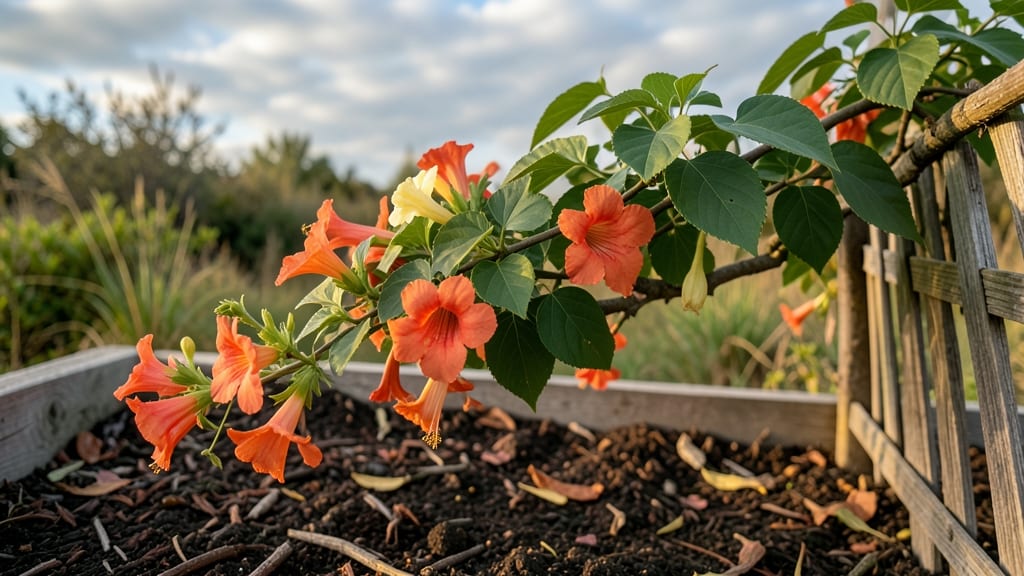
The trumpet vine bloom time in Zone 6a kicks off around late May, when fiery orange trumpets first appear and last until September 🌸 — but timing shifts dramatically depending on where you live.
Picture this: you’re watering your trellis one morning, and suddenly, those bold blooms erupt like a summer surprise. But in colder zones, a late frost can delay the show, while warmer climates might stretch it into fall.
That’s why knowing your local frost dates and sun exposure is the key to planning your peak bloom season.
Sunlight, soil, and even the variety you choose can push those vibrant flowers earlier or later. For example, full sun triggers blooms faster, while well-draining soil prevents root stress that could delay them.
Below, I’ll break down how to read your vine’s signals and tweak care for a longer, brighter display.
You’ll discover the best months for your region, how to encourage second blooms, and which varieties stay in flower the longest—so you’re never left waiting for that first burst of color.
Trumpet vine bloom time by USDA hardiness zones: months to expect colorful displays
Timing your trumpet vine's bloom season depends heavily on your USDA hardiness zone. These vines thrive in zones 5 through 11, but their flowering windows shift dramatically—from brief summer bursts in colder regions to near-year-round displays in warmer climates.
Understanding these patterns helps you plan for maximum color and proper care.
In zones 5-6, trumpet vines are frost-sensitive and typically bloom from late June through August, often cutting short if an early frost arrives. Meanwhile, gardeners in zones 9-11 can enjoy blooms from spring through fall, with minimal interruptions.
The key difference? Heat tolerance and frost sensitivity dictate these timelines.
🌸
In zone 7, where I garden, trumpet vines burst into color from late May through July, often tapering off by August unless you encourage a second flush with deadheading.
The earliest bloomers appear in zone 8 by April, while zone 10 gardeners might see blooms as early as February if planted in sheltered microclimates.
For gardeners in zones 5-6, the short bloom window means planning ahead. Plant near a south-facing wall to capture extra warmth and extend the season.
In zones 9-11, the real challenge is water management—these vines can bloom year-round but may struggle in intense summer heat without consistent moisture.
Did you know? Trumpet vines in zone 10 can produce two bloom cycles annually—one in spring and another in fall—if given the right care. This makes them a low-maintenance perennial for warm climates, unlike their annual cousins that require replanting.
If you're in a transitional zone (like zone 7b), you can push the envelope by mulching heavily and watering deeply to protect roots from late-spring frosts.
I’ve seen trumpet vines in my zone 7 garden bloom as late as September with these extra steps, though the flowers are often smaller.
For heat-loving varieties, like Campsis radicans 'Flava', the longest bloom times occur in zones 9-11, where they can handle 100°F+ temperatures without wilting. In contrast, zone 5 gardeners should focus on cold-hardy cultivars like 'Madame Galen', which tolerates brief frosts better than standard types.
One common mistake is assuming trumpet vines bloom only once per year. In reality, with proper pruning and fertilization, they can produce secondary blooms in zones 7-11.
The trick? Prune back spent blooms in early summer to encourage new growth—just don’t cut into old wood, as this reduces next year’s flowers.
🌿
How to extend your trumpet vine’s bloom season: pruning, fertilizer & care tips
Your trumpet vine’s vibrant summer blooms don’t have to be a fleeting show—with the right care, you can stretch that fiery display into late fall. The secret lies in understanding pruning triggers, nutrient timing, and seasonal adjustments that keep your vine thriving.
I’ve learned that late-winter pruning sets the stage for earlier blooms, while mid-summer deadheading can coax a second flush of flowers.
First, let’s tackle the pruning paradox: Trumpet vines bloom on new wood, so aggressive cuts in fall can reduce next year’s flowers. Instead, focus on shaping cuts in late winter (just before buds swell) to encourage robust growth.
For extended blooms, I recommend a two-step pruning approach—first in late winter, then light trimming after the first bloom wave to redirect energy.
- 🌱 Prune in late winter (Zones 5-8: Feb-Mar; Zones 9-11: Jan-Feb) to remove dead/damaged wood and shape the vine. Cut back 1/3 of last year’s growth to encourage new flowering stems.
- 💧 Water deeply 2-3x/week during bloom season (June-August) to prevent bud drop. Use drip irrigation to keep foliage dry and reduce fungal risks.
- 🌿 Fertilize with 10-20-10 (high-phosphorus) every 4-6 weeks starting in early spring. Switch to 5-10-10 in summer to promote blooms over foliage.
- ✂️ Deadhead spent blooms by cutting just above the next leaf node to stimulate reblooming. Do this weekly during peak bloom for best results.
- 🌡️ Mulch heavily (3-4 inches) in fall to insulate roots in colder zones (5-7). Use straw or shredded leaves to prevent root heave.
For longer-lasting blooms, I’ve found that high-phosphorus fertilizers (like 10-20-10) work wonders—phosphorus is the bloom booster that encourages more flowers.
Start feeding in early spring when new growth appears, then switch to a balanced formula (10-10-10) once blooms emerge. Over-fertilizing with nitrogen will give you lush leaves but fewer flowers, so always check the NPK ratio.
Don’t overlook the power of deadheading—this simple task removes spent blooms and signals the vine to produce more flowers. I deadhead my trumpet vine every 5-7 days during peak bloom by snipping just above a leaf node with clean pruners.
For second blooms, I also lightly prune after the first wave (around mid-July) to redirect energy to new growth.
In colder zones (5-7), overwintering care is key to next year’s blooms. After the first frost, reduce watering and mulch heavily (4-6 inches). For extra protection, wrap the vine base with burlap or use a frost blanket.
In Zone 8 and below, consider pruning back harder in late winter to prevent frost damage.
With these strategies, you can extend your trumpet vine’s bloom season by 4-6 weeks or more—turning your garden into a year-round spectacle of fiery trumpets. The key is consistency: prune at the right time, feed for flowers, and protect in winter.
Your vine will reward you with bold, continuous blooms that steal the show. 🌸