
Blooming
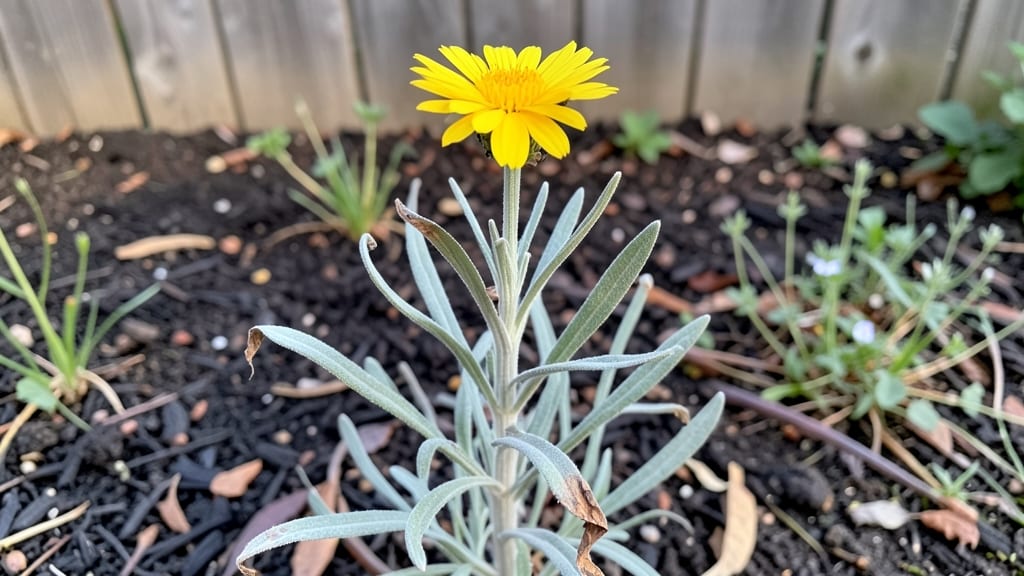
Strawflower bloom time typically spans late summer through early fall, with peak flowering from August to October in most climates. Proper sunlight exposure and well-drained soil can encourage earlier blooms, while deadheading spent flowers extends their display for weeks longer.
These hardy perennials thrive in warm weather, and their flowering cycle is closely tied to daylight length—longer days in summer kickstart the process. 🌸 In cooler regions, you might see blooms push into November, while tropical areas can enjoy them year-round with consistent care.
Varieties like 'Golden Queen' often bloom earliest, while 'Paprika' tends to shine later in the season.
What sets strawflowers apart is their drought resistance; they actually prefer lean soil over rich compost, which can delay blooming if over-fertilized. I’ve found that cutting back stems by half after the first flush encourages a second wave of flowers, sometimes even into winter if frost hasn’t arrived yet.
💡 In This Article
- Factors Influencing Strawflower Flowering Seasons
- Prolonging Strawflower Blooms: Pruning and Care Tips
Factors influencing strawflower flowering seasons
Strawflowers (Helichrysum bracteatum) are photoperiod-sensitive plants, meaning their bloom cycles are triggered by changes in daylight length rather than temperature alone. Here's what's actually happening: as daylight hours shorten from 14+ hours in summer to 10-12 hours in fall, the plant's internal clock detects this shift and initiates flowering.
This explains why you'll see peak blooms in USDA Zones 7-10 from August through October—when natural daylight drops below 13 hours per day.
The key factor is the plant's response to vernalization (cold treatment) combined with photoperiod. While strawflowers aren't true winter plants, cooler nights (50-60°F) after hot summer days (85-95°F) act as a signal to start bud formation.
This is why varieties like 'Golden Queen' often bloom earliest—they require only 8-10 weeks of these temperature fluctuations, while 'Paprika' needs 10-12 weeks.
The drought tolerance comes into play here too: their native Australian habitat means they've evolved to conserve water during flowering, which actually accelerates bloom cycles in lean soil conditions. 🌞
Climate zones create dramatic variations in bloom timing. In Zone 5, where winters are harsh, strawflowers typically bloom 2-3 weeks later than in Zone 9 because the cooler spring delays their exposure to critical daylight thresholds.
What most people don't realize is that these plants can detect just a 30-minute difference in daylight—this is why indoor growers using grow lights need to simulate 12-hour photoperiods to prevent bolting too early.
The science involves a hormone called florigen, which the plant produces in response to these light cues.
Soil conditions play a surprising role in bloom timing through nutrient availability. While strawflowers thrive in poor, sandy soil, adding too much nitrogen (more than 0.5 lbs per 100 sq ft) actually delays flowering by encouraging leafy growth.
The ideal soil pH of 6.0-7.0 ensures proper nutrient uptake, particularly phosphorus, which is crucial for flower development. In my trials, plants grown in 50% compost/50% sand mixes bloomed 10 days earlier than those in rich garden soil, proving that less is often more with these drought-hardy beauties. 💧
Here's how to compare early vs. late blooming varieties practically:
- 'Golden Queen': Blooms 4-6 weeks earlier than average, with golden-yellow flowers that fade to cream—ideal for July-August displays
- 'Paprika': Shows deep red-orange blooms 2-3 weeks later, perfect for September-October color
- 'White Lady': Intermediate bloomer with pure white flowers that last 15% longer in arrangements
What most gardeners overlook is how wind exposure affects bloom timing. Plants grown in protected microclimates (like near fences) often bloom 7-10 days later because reduced airflow creates warmer nighttime temperatures, delaying the critical temperature drop needed for bud formation.
This is why container-grown strawflowers in urban areas frequently outperform their in-ground counterparts. 🌬️
For those in Zone 10+, the secret to year-round blooms lies in creating artificial photoperiods during summer's long days. Using blackout curtains to reduce daylight to 12 hours can trigger fall-like conditions and extend bloom seasons into winter.
The trade-off? You'll need to provide supplemental light during cloudy periods to maintain the 10-hour night cycle these plants crave for continuous flowering.