
Blooming
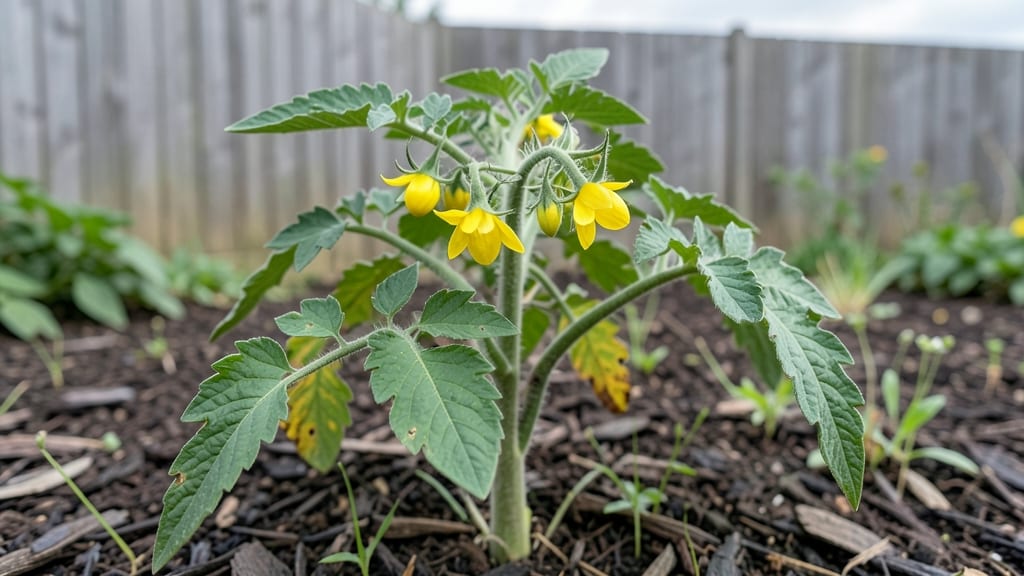
When small tomato plants start flowering, you're just one step away from a harvest—but only if you help them along. 🌿 I’ve watched my own tomato blooms drop like snowflakes in spring, and I’ve learned the exact tricks to keep those flowers turning into fruit instead of falling off.
The key isn’t just water or sun—it’s understanding what your plants really need during this critical stage.
Most blossom drop happens because plants get stressed—too much heat, inconsistent watering, or even over-fertilizing. My plants now stay productive when I keep the soil consistently moist (not soggy), avoid heavy feeding during flowering, and protect them from sudden temperature swings.
A gentle shake in the morning or a soft breeze from a fan can also help pollination when bees aren’t around.
With the right care, those tiny flowers will swell into plump tomatoes in just 4-6 weeks. You’ll see fewer dropped blooms, more set fruit, and plants that keep producing all season. The secret is patience and attention to detail—no fancy equipment needed, just smart care.
Whether you’re growing in containers or garden beds, these tips work for cherry tomatoes, beefsteaks, and everything in between. Let’s turn those flowers into fruit before your eyes!
Root Causes Behind Stunted Blooms
When your tomato plants are flowering but producing tiny, underwhelming fruits—or worse, none at all—it’s often a sign that something fundamental is off. Understanding the why behind these issues is the first step to fixing them.
Below, we break down the most common culprits, backed by science, so you can diagnose the problem like a pro and take actionable steps to turn those small blooms into plump, juicy tomatoes.
###
🌡️ Temperature Extremes Stressing Plants
Tomatoes are warm-weather lovers, and when temperatures dip too low or spike too high, their flowering and fruit development can stall. Here’s how it plays out:
- Cold Stress (Below 50°F/10°C):
Flower buds may drop off before pollination occurs, or they simply fail to set fruit. This is especially common in early spring or late fall plantings. Cold nights disrupt the plant’s metabolic processes, including ethylene production—a hormone critical for fruit development.
- Heat Stress (Above 90°F/32°C):
High temperatures can cause flower drop or blossom end rot (a calcium deficiency triggered by stress). Additionally, pollen production slows down or becomes nonviable in extreme heat, leading to poor pollination and tiny fruits.
Actionable Fix: Use row covers for early-season protection, mulch to regulate soil temperature, and provide afternoon shade in scorching climates. Choose heat-tolerant varieties like Solar Fire or Heatmaster if you’re in a hot zone.
###
💧 Watering Woes Disrupting Growth
Water is the lifeblood of tomato plants, and inconsistent moisture levels—whether too much or too little—can throw their flowering and fruiting cycles into chaos.
- Underwatering:
Drought stress causes flowers to abort before pollination. When soil moisture drops, the plant prioritizes survival over fruit production, leading to flower drop and stunted growth. Roots struggle to absorb nutrients, including boron and calcium, which are essential for cell division in developing fruits.
- Overwatering:
Soggy soil suffocates roots, preventing them from accessing oxygen and nutrients. This weakens the plant’s ability to support heavy flowering and fruit set. Overwatering also dilutes nutrient uptake, leading to blossom end rot or cracked fruits.
- Inconsistent Watering:
Fluctuating moisture levels confuse the plant, causing erratic growth. Tomatoes thrive on consistent moisture—aim for 1–1.5 inches of water per week, delivered at the soil level (not the leaves) to avoid fungal issues.
Actionable Fix:
- Install a drip irrigation system or soaker hose for deep, even watering.
- Water early in the morning to reduce evaporation and fungal risks.
- Mulch with straw or wood chips to retain moisture and regulate soil temperature.
###
🌱 Nutrient Imbalances Starving Flowers
Tomatoes are heavy feeders, and when their nutrient needs aren’t met, they’ll prioritize leafy growth over flowering and fruiting. Here’s what’s missing when blooms stay small:
- Nitrogen Overload:
Too much nitrogen (common in fresh manure or over-fertilized soil) promotes lush foliage at the expense of flowers and fruits. The plant diverts energy to leaves instead of developing blossoms.
- Phosphorus Deficiency:
Phosphorus is the flowering nutrient—it triggers blooms and supports root development. Without enough P, plants may produce weak, sparse flowers that fail to set fruit. Look for purplish stems or leaves as a telltale sign.
- Potassium and Calcium Shortages:
Potassium strengthens cell walls and aids in pollination and fruit development, while calcium prevents blossom end rot and ensures proper cell division. Yellowing edges on leaves or weak stems signal a deficiency.
- Micronutrient Deficiencies (Boron, Zinc, Magnesium):
Even tiny amounts of these nutrients are critical. For example, boron helps transport calcium to developing fruits, while zinc supports enzyme activity in flower formation.
Actionable Fix:
- Conduct a soil test to identify deficiencies and adjust with a balanced fertilizer (e.g., 5-10-10 or 10-20-20).
- Add compost or worm castings for slow-release nutrients.
- Use Epsom salt (magnesium sulfate) or calcium nitrate sprays for targeted fixes.
- Avoid fresh manure—opt for composted versions to prevent nitrogen burn.
###
🐝 Pollination Problems Choking Fruit Growth
Even with perfect flowers, lack of pollination can leave you with tiny, undeveloped tomatoes. This happens when:
- Bees and Pollinators Are Absent:
Tomatoes rely on insects (bees, butterflies, hummingbirds) to transfer pollen. In urban areas or greenhouses, pollinator numbers may be low, leading to poor fruit set.
- Wind or Rain Disrupts Pollen Transfer:
Outdoor plants may struggle in windy or rainy conditions, as pollen can blow away or get washed off before reaching the stigma (the flower’s receptive part).
- Genetic or Environmental Factors:
Some varieties (like self-pollinating cherry tomatoes) are less dependent on insects, but even they can suffer if flowers aren’t vibrated or shaken to release pollen.
Actionable Fix:
- Attract pollinators: Plant bee-friendly flowers (marigolds, basil, borage) nearby and avoid pesticides.
- Hand-pollinate: Gently shake plants in the morning (when pollen is fresh) or use a paintbrush to transfer pollen from one flower to another.
- Choose the right varieties: Opt for determinate types (bush tomatoes) if you’re in a low-pollinator area—they set fruit faster.
###
🌿 Overcrowding and Poor Airflow
Tomato plants need space to breathe. When they’re crowded, airflow is restricted, leading to:
- Fungal Diseases (Early Blight, Powdery Mildew):
Poor airflow traps moisture on leaves, creating the perfect conditions for fungal spores to thrive. Infected plants divert energy to fighting disease instead of flowering and fruiting.
- Competition for Resources:
Overcrowded plants compete for sunlight, water, and nutrients, resulting
Quick fixes for stunted tomato flowering
If your small tomato plants are flowering but not producing the fruit you crave, don’t panic—there are practical, science-backed ways to turn things around. Below, we’ll tackle the most common causes of weak flowering and show you how to fix them with simple, actionable steps.
Prevention tips are included so you can keep your plants thriving for future harvests!
🌱 Fix 1: Boost Pollination for Better Fruit Set
If your tomato flowers aren’t converting into fruit, poor pollination is often the culprit—especially in greenhouses or rainy climates. Tomatoes rely on bees, wind, or gentle vibrations to transfer pollen. Here’s how to help them along:
🔥 Step 1: Hand-Pollinate Like a Pro
- When to do it: Pollinate in the morning when flowers are fully open and pollen is fresh.
- How to do it: Lightly shake the plant near the flowers or use a small paintbrush to transfer pollen from the male (yellow) anthers to the female (white) stigma.
- Pro tip: 💡 If you’re growing in a greenhouse, place a fan on low speed near the plants to mimic wind pollination.
🐝 Step 2: Attract Pollinators to Your Garden
- Plant bee-friendly flowers like marigolds, basil, or borage nearby—they’ll bring bees straight to your tomatoes.
- Avoid pesticides, especially during flowering, as they can harm pollinators.
- 🎯 Bonus: Leave a shallow dish of water with pebbles for bees to sip from.
⏰ Prevention Tip:
Start pollination efforts as soon as flowers appear. Waiting too long reduces fruit set chances.
☀️ Fix 2: Optimize Sunlight and Heat for Stronger Flowers
Tomatoes need 6–8 hours of direct sunlight daily to produce abundant flowers. Shady spots or cool temperatures can stunt blooms.
🔥 Step 1: Move Plants to a Sunnier Spot
- Check if nearby trees, fences, or buildings are casting shadows over your plants.
- If relocating isn’t possible, prune obstructions or use reflective mulch (like white gravel) to bounce light onto the plants.
🌡️ Step 2: Warm Up the Soil for Better Growth
Tomatoes thrive in soil temperatures above 60°F (15°C). If your garden is cool:
- Use black plastic mulch to absorb and retain heat.
- Plant in raised beds, which warm up faster than in-ground soil.
- 💡 Pro tip: Cover seedlings with a clear plastic dome or row cover to create a mini greenhouse effect.
✨ Prevention Tip:
Choose heat-tolerant varieties like ‘Solar Fire’ or ‘Heatmaster’ if your climate runs hot. For cooler areas, opt for ‘Stupice’ or ‘Glacier’—they flower earlier.
💧 Fix 3: Adjust Watering for Healthy Flowering
Overwatering or underwatering can stress tomato plants, leading to dropped flowers or poor fruit development. Consistency is key!
👨🍳 Step 1: Water Deeply but Less Frequently
- Water at the base of the plant (not the leaves) to prevent fungal diseases.
- Aim for 1–1.5 inches of water per week, adjusting for rain.
- 🔪 Avoid wetting flowers—use a soaker hose or drip irrigation to keep blooms dry.
🥘 Step 2: Fertilize for Stronger Blooms
Tomatoes need a balance of phosphorus (P) and potassium (K) for flowering. If your plants are leggy or flowers are sparse:
- Switch to a bloom-boosting fertilizer (like 5-10-10 or tomato-specific feed).
- Apply fish emulsion or compost tea for a natural nutrient boost.
- 💡 Pro tip: Stop high-nitrogen feeds (like leafy-green fertilizers) once flowers appear—they encourage foliage over fruit.
🌡️ Prevention Tip:
Mulch around plants with straw or grass clippings to retain moisture and regulate soil temperature, reducing stress.
🌿 Fix 4: Prune for Better Airflow and Flower Production
Overcrowded or overly bushy tomato plants waste energy on leaves instead of flowers. Strategic pruning can redirect growth to where you want it.
🔪 Step 1: Prune Suckers and Lower Leaves
- Remove suckers (the small shoots in the joint between the stem and a branch) to improve airflow.
- Trim lower leaves (within 12 inches of the ground) to prevent soil-borne diseases.
- 🎯 Goal: Keep the plant focused on producing fruit-bearing branches (the ones with leaves and flowers).
🌱 Step 2: Support Plants for Better Growth
Use cages, stakes, or trellises to keep plants upright. This improves sunlight exposure and reduces disease risk.
✨ Prevention Tip:
Prune in the morning when plants are dry to minimize stress. Use clean, sharp shears to avoid tearing stems.
🚨 Fix 5: Rule Out Pests and Diseases
Pests like aphids, whiteflies, or diseases such as blight can drain energy from your plants, stunting flowering. Act fast to protect your crop!
🐞 Step 1: Inspect Plants for Signs of Trouble
- Check for sticky residue (aphids), yellowing leaves (whiteflies), or spots/mold (fungal diseases).
- 💡 Quick fix: Spray plants with a mix of water + neem oil + a drop of dish soap to deter pests.
🌡️ Step 2: Improve Garden Hygiene
- Remove and destroy infected leaves immediately.
- Rotate crops yearly to prevent soil-borne diseases.
- 🎯 Prevention: Use copper fungicide as a preventive spray in humid climates.
With these fixes, your small tomato plants should start flowering more vigorously and setting fruit in no time. Remember, consistency is key—monitor your plants regularly and adjust care as needed. Happy gardening! 🍅✨
Frequently asked questions
Why do my small tomato plants keep dropping flowers?
Flower drop is usually caused by stress from inconsistent watering, extreme temperatures (below 50°F or above 90°F), or over-fertilizing. Tomatoes prioritize survival over fruiting when stressed. Focus on keeping soil consistently moist, protecting plants from temperature swings, and avoiding heavy feeding during flowering.
How can I improve pollination for better fruit set?
If bees aren't visiting, gently shake plants in the morning or use a soft paintbrush to transfer pollen between flowers. Plant bee-friendly flowers like marigolds nearby and avoid pesticides. A small fan on low speed near plants can also mimic wind pollination in greenhouses.
Should I fertilize my tomato plants when they're flowering?
Switch to a low-nitrogen, high-phosphorus fertilizer (like 5-10-10) to encourage flowering and fruiting. Stop using high-nitrogen fertilizers once flowers appear—they promote leafy growth instead of fruit. Organic options like fish emulsion or compost tea also work well.
What's the best way to water tomato plants during flowering?
Water deeply 1-1.5 inches per week at the plant base, avoiding wet leaves to prevent disease. Use drip irrigation or soaker hoses for consistent moisture. Morning watering helps reduce evaporation and fungal risks. Mulch with straw to maintain even soil moisture.
Can I grow tomatoes indoors when they're flowering?
Yes, but you'll need to hand-pollinate flowers and provide 6-8 hours of direct sunlight daily. Supplement with grow lights if needed. Keep humidity moderate and watch for pests like aphids that thrive in indoor environments.