
Blooming
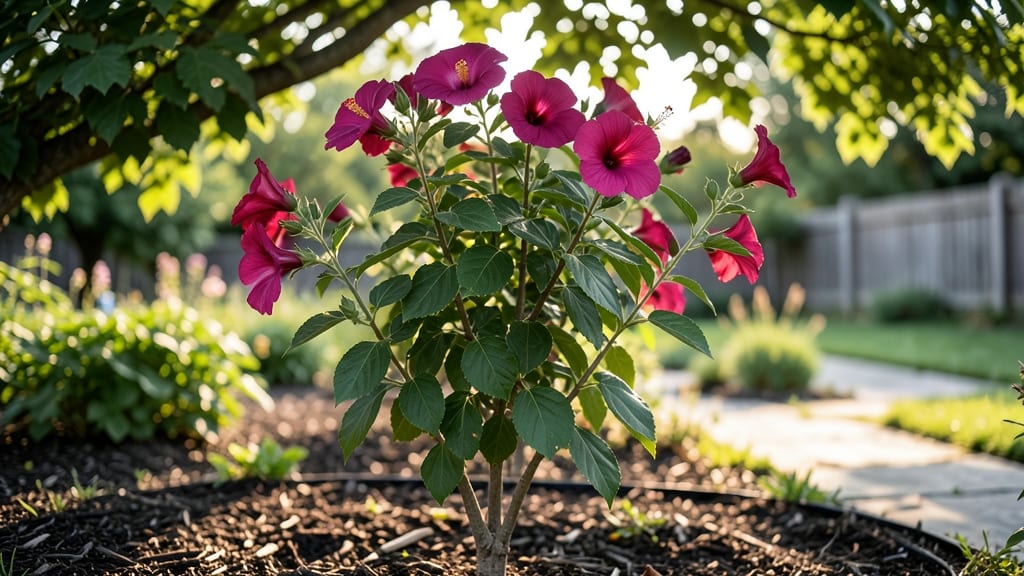
The Rose of Sharon bloom season is when your garden transforms into a riot of color 🌸—but if your shrub is playing hard to bloom, you’re not alone.
Picture this: late summer rolls around, and your neighbors’ Hibiscus syriacus are covered in trumpet-shaped blossoms, while yours sits stubbornly bare. The difference often comes down to timing, sunlight, and a few pruning secrets most gardeners miss.
Understanding these factors isn’t just about patience—it’s about giving your plant the right conditions to shine.
This guide breaks down exactly when your Rose of Sharon should burst into color, why it might skip blooms, and how to coax it into flowering for weeks.
We’ll cover regional variations, pruning hacks, and care tweaks to extend that show-stopping display—so you can finally enjoy the fragrant, butterfly-loving beauty you planted for.
From Zone 6a to warmer climates, you’ll learn how to time everything right, from spring pruning to summer feeding, so your shrub doesn’t just survive—it thrives. Let’s get those blooms back on track!
Rose of Sharon bloom season: exact timing and climate factors
The Rose of Sharon (Hibiscus syriacus) bursts into bloom between late July and October, making it a standout in late summer and fall gardens. This shrub’s flowering window is heavily influenced by climate factors like temperature, sunlight exposure, and your USDA hardiness zone.
Understanding these variables helps you predict—and even extend—your plant’s peak bloom period.
In zones 6-7, blooms typically begin in mid-to-late August, while gardeners in zones 8-9 often see flowers as early as June or July. Warmer climates can also trigger reblooming after a brief rest, but cooler zones may only get one flush of flowers per season.
The key? Sunlight and temperature work together to signal your shrub when to produce buds.
| Climate Factor | Zone 5-6 | Zone 7-8 | Zone 9+ |
|---|---|---|---|
| Peak Bloom Window | Late August–October | July–September | June–November |
| Sunlight Needs | Full sun (6+ hrs) | Full sun to partial shade | Partial shade (afternoon shade) |
| Temperature Trigger | 60–75°F (15–24°C) | 70–85°F (21–29°C) | 75–90°F (24–32°C) |
| Reblooming Potential | Low (one flush) | Moderate (with pruning) | High (multiple flushes) |
| Pruning for Blooms | Late winter (Feb) | Early spring (March) | Summer (after blooms) |
Your Rose of Sharon’s bloom timing also depends on whether it’s an early bloomer or late bloomer. Varieties like 'Diana' and 'Blue Chiffon' often flower earlier (June–July), while 'Annabelle' and 'Lavender Chiffon' peak in September.
If your shrub blooms late, it may be responding to cooler fall temperatures rather than heat.
To encourage earlier blooms, plant in a south-facing location with minimum 6 hours of sunlight.
In shadier spots, blooms may delay until late summer when days shorten. Mulching with organic matter (like compost) also helps regulate soil temperature, which can nudge your shrub to bloom slightly earlier in the season.
Temperature plays a critical role in bud formation. Hibiscus syriacus needs a period of cool nights (below 60°F/15°C) after warm days to trigger flowering. In hot climates (zones 9-10), this can happen year-round, leading to continuous blooming if conditions are ideal.
However, extreme heat (above 95°F/35°C) can stress the plant and reduce flower production.
If your Rose of Sharon skips blooms, check for these climate-related red flags:
- Too much shade (blocks sunlight needed for bud development)
- Inconsistent temperatures (swings above 85°F/30°C or below 50°F/10°C)
- Over-fertilizing with nitrogen (promotes leafy growth over flowers)
For extended blooming, prune in early spring to remove dead wood and shape the shrub. This encourages new growth that will flower later in the season. In warmer zones, a light summer trim after the first flush can prompt a second round of blooms by fall.
Just avoid heavy pruning after mid-summer, as it can cut off next year’s flower buds.
Monitor your local frost dates too—early frosts in zones 5-6 can cut blooms short. If frost threatens, cover delicate flowers with a lightweight frost cloth to protect them until they fade naturally. In milder climates, some blooms may persist into November, adding late-season color to your garden.
Pro tip: Keep a gardening journal to track your Rose of Sharon’s bloom dates over years. Note when buds form, peak bloom periods, and any environmental stressors (like drought or pests
Why your Rose of Sharon isn’t blooming: 5 common causes
The Rose of Sharon (Hibiscus syriacus) is known for its dramatic blooms, but when your shrub refuses to flower, it’s often due to care mistakes. Understanding these 5 common causes will help you diagnose and fix the issue before next season.
The key is to act during the dormant season (winter) and early spring when the plant sets buds.
First, let’s address the most frequent offender: pruning at the wrong time. Many gardeners prune their Rose of Sharon in late winter or early spring, but this can remove next year’s flower buds.
The shrub blooms on old wood, meaning flowers develop on stems from the previous year. Cutting back too aggressively in late winter or early spring (February-March) can eliminate potential blooms.
Cutting back after late winter removes flower buds formed on old wood. Always prune in early spring (March) or late winter (February) before buds swell.
Fix: Prune in late winter (February) or early spring (March) to preserve buds.
Too much nitrogen (first number in NPK) promotes leafy growth at the expense of flowers. A 10-10-10 fertilizer is ideal, but avoid high-nitrogen formulas like 30-10-10.
Fix: Use a balanced fertilizer (10-10-10) in early spring and after blooming (June).
Drought stress or overwatering can shock the plant, delaying bud formation. Rose of Sharon needs deep watering every 7-10 days once established, but not soggy soil.
Fix: Water deeply in the morning (before 10 AM) to encourage strong root growth.
Japanese beetles, spider mites, or fungal diseases like powdery mildew weaken the plant, reducing energy for blooms. Look for yellowing leaves, webbed foliage, or white powder on stems.
Fix: Treat with neem oil or insecticidal soap. Prune affected branches immediately.
Rose of Sharon needs 6+ hours of sunlight daily. Shady spots lead to fewer blooms and leggy growth. If your shrub is in partial shade, it may not flower as heavily.
Fix: Relocate to a sunnier spot or thin nearby trees/shrubs for better light exposure.
If your Rose of Sharon is young (1-2 years old), it may simply need time to mature. These shrubs often skip blooming in their first year but produce abundant flowers by year three. Patience is key—focus on healthy growth and proper pruning during these early years.
For established plants, the solution often lies in adjusting your pruning schedule. Instead of cutting back in late winter, try light pruning in early spring (March) to shape the shrub while preserving next year’s buds.
Avoid heavy pruning entirely if you want to maximize blooms—just remove dead or crossing branches.
Finally, don’t forget that seasonal care plays a huge role. After your Rose of Sharon blooms in late summer to fall, apply a light fertilizer (like 10-10-10) in June to give the roots a boost for next year’s flowers.
This simple step can double your bloom count the following season.
With these fixes, your Rose of Sharon should be bursting with blooms by next summer. Start by checking your pruning timing and fertilizer balance—these two factors alone can transform a non-blooming shrub into a showstopper! 🌸