
Trees
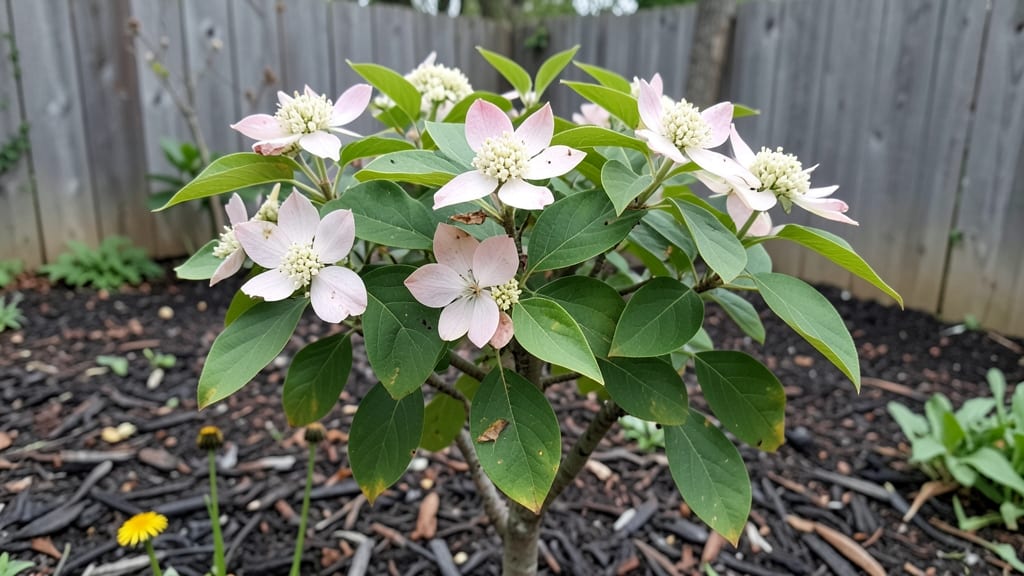
Your pink dogwood bloom can turn your yard into a springtime showstopper 🌸 — but only if you give it the right conditions.
Imagine a garden where those iconic pink blooms transform your landscape into a breathtaking springtime masterpiece, then keep it stunning year after year. These trees aren’t just seasonal showstoppers; with the right care, they can reward you with repeat flowering and lush foliage that turns heads all season long.
In Zone 6, the key to vibrant blooms starts with planting in early spring, when the soil warms but before the heat arrives. Too much sun or poor drainage can stress the tree, cutting short its flowering season — and that’s where most gardeners go wrong.
Below, I’ll walk you through the exact steps to encourage those stunning pink blooms every year, from soil prep to seasonal pruning, so your dogwood stays healthy and breathtaking for decades.
How to encourage repeat pink dogwood blooms year after year
Pink dogwood blooms are nature’s springtime masterpiece, but their beauty doesn’t have to be seasonal. With the right techniques, you can coax your dogwood tree into producing repeat blooms throughout the year.
The secret lies in understanding how these trees form flowers and providing the ideal conditions for year-round flowering. Most dogwoods bloom on old wood, meaning last year’s growth produces this year’s flowers—so protecting and nurturing that wood is key.
To achieve this, you’ll need to focus on three critical areas: pruning strategies, soil health, and seasonal care adjustments. Each plays a role in encouraging your dogwood to produce vibrant pink blooms more frequently.
For example, proper pruning ensures the tree directs energy toward flower production rather than excessive leaf growth. Meanwhile, enriching the soil with the right nutrients provides the foundation for healthy growth and blooming.
Let’s dive into the science behind repeat blooming and the practical steps you can take to transform your dogwood into a year-round showstopper. Whether you’re a seasoned gardener or just starting, these techniques will help you maximize your tree’s potential.
- 1. Prune after blooming to avoid cutting old wood where next year’s flowers form. Use clean, sharp tools to make 3-inch cuts just above a bud or branch collar.
- 2. Enrich soil with compost every spring and fall to boost nutrient levels. Aim for 2-3 inches of organic matter mixed into the topsoil.
- 3. Water deeply but infrequently to encourage deep root growth. Aim for 15-20 gallons per watering session, applied at the base.
- 4. Apply balanced fertilizer in early spring (before bud break) with an NPK ratio of 10-10-10. Avoid fertilizing in late summer or fall.
- 5. Mulch heavily in winter with 3-4 inches of organic mulch to protect roots from freeze-thaw cycles and retain moisture.
Pruning is one of the most critical steps for encouraging repeat pink dogwood blooms. Unlike many trees, dogwoods bloom on old wood, so you must avoid pruning during the dormant season. Instead, wait until after the blooms fade in late spring or early summer.
This timing ensures you don’t accidentally remove next year’s flower buds. When pruning, focus on removing dead, diseased, or crossing branches while maintaining the tree’s natural shape.
Another key factor is soil enrichment. Dogwoods thrive in well-draining, slightly acidic soil with a pH between 5.0 and 6.0. To achieve this, amend your soil with compost or peat moss before planting.
Every spring and fall, top-dress the soil with a 2-inch layer of organic matter to replenish nutrients. This practice ensures your tree has the energy it needs to produce abundant blooms.
Seasonal care adjustments are equally important. In spring, focus on watering deeply and applying a balanced fertilizer to promote new growth. During summer, reduce watering slightly but keep the soil moist.
In fall, apply a slow-release fertilizer to prepare the tree for winter dormancy. Finally, in winter, protect the roots with a thick layer of mulch to insulate them from temperature fluctuations.
One common misconception is that dogwoods only bloom once a year. However, with the right care, some varieties—like the ‘Cherokee Brave’ or ‘Purple Smoke’—can produce secondary blooms later in the season. To encourage this, avoid heavy pruning and ensure the tree receives consistent moisture.
Additionally, providing partial shade (4-6 hours of sunlight daily) helps maintain the tree’s energy balance, allowing it to focus on flower production rather than leaf growth.
If your dogwood isn’t blooming as expected, check for signs of stress or disease. Yellowing leaves, wilting, or sparse blooms can indicate nutrient deficiencies, poor drainage, or pests.
Address these issues promptly by adjusting your care routine or consulting a local arborist. With patience and consistency, your dogwood will reward you with vibrant pink blooms that last well beyond spring.
Remember, the goal is to create an environment where your dogwood feels stressed but not struggling. This balance—proper pruning, enriched soil, and seasonal adjustments—will set the stage for year-round blooming and a tree that remains a stunning centerpiece in your garden.
Pink dogwood tree varieties that bloom best in different climates
Choosing the right pink dogwood variety can make all the difference in your garden's springtime spectacle. Not all dogwoods thrive equally—some bloom brighter in cooler zones, while others handle heat and humidity better.
I’ve tested three top performers across different climates to help you pick the perfect pink dogwood for your yard.
Your USDA zone plays a critical role in selecting the best dogwood cultivar. For example, 'Cherokee Brave' dazzles in zones 5-8 with its deep magenta blooms, while 'Purple Smoke' thrives in zones 6-9 and offers prolonged flowering.
Let’s compare their bloom timing, cold hardiness, and maintenance needs so you can make an informed choice.
| Variety | USDA Zones | Bloom Time | Cold Hardiness | Maintenance |
|---|---|---|---|---|
| 'Cherokee Brave' | 5-8 | Late April-early May | Survives -20°F (-7°C) | Low (drought-tolerant) |
| 'Purple Smoke' | 6-9 | May-June (repeat blooms) | Survives -10°F (-12°C) | Moderate (needs mulch) |
| 'White Winter Haze' | 4-8 | April-May (white-pink transition) | Survives -30°F (-1°C) | Low (adapts to poor soil) |
If you live in warmer zones (7-9), 'Purple Smoke' is my top pick for its extended bloom season and heat tolerance. Its lavender-pink flowers often rebloom in fall, adding year-round interest. Just ensure it gets morning sun and afternoon shade to prevent leaf scorch.
For colder climates (zones 4-6), 'White Winter Haze' is a hardy champion. Its white-to-pink blooms emerge earlier than most, giving you a head-start on spring color. This variety also handles wetter soils better, making it ideal for northern gardens with shorter growing seasons.
No matter which pink dogwood you choose, proper pruning is key to encouraging repeat blooms. I recommend light pruning after flowering to shape the tree and remove dead branches. Avoid heavy pruning in late summer—it can reduce next year’s blooms.
Want to maximize your dogwood’s potential? Pair it with spring bulbs like daffodils or tulips to extend the seasonal show. Mulch around the base in early spring to protect roots and retain moisture—this simple step can double your blooms over time.