
Blooming
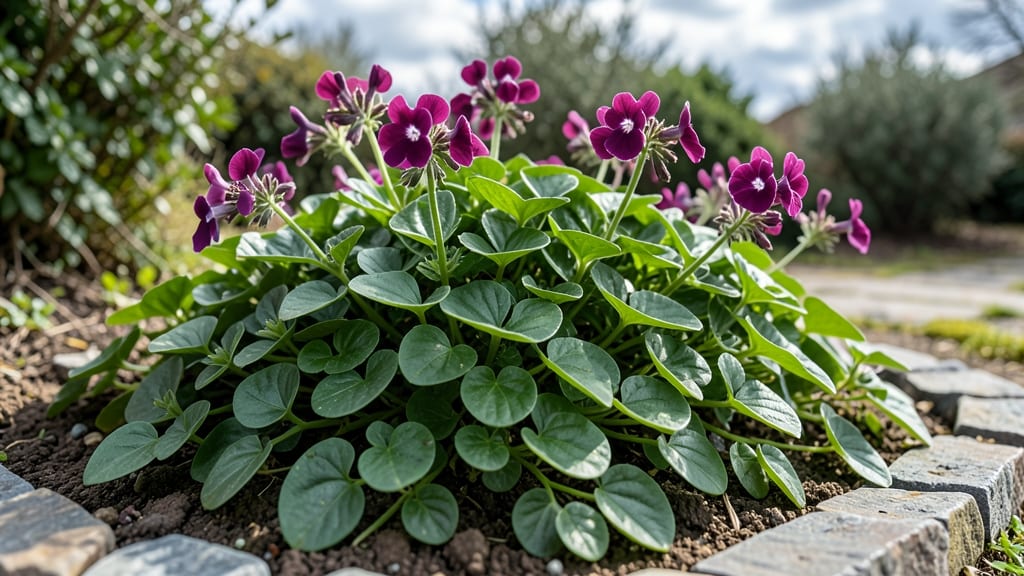
The periwinkle bloom time varies from late spring to early summer 🌸, with some varieties stretching into fall if cared for properly.
Wondering why your periwinkle flowers seem to vanish after just a few weeks? Understanding their natural bloom cycles—and how to manipulate them—can transform your garden into a year-round splash of vibrant blue and purple.
In USDA Zone 6a, where I garden, the peak bloom arrives in May, but cooler regions may see flowers as early as April, while warmer zones bloom later. The key? Light, soil, and timing work together to set the stage for those cheerful blossoms.
Below, I’ll break down exactly when to expect flowers in your area, how to extend the season, and the simple care tricks that keep periwinkle blooming longer than ever.
Periwinkle bloom time by USDA hardiness zones: when to expect flowers
If you've ever planted periwinkle (Vinca) hoping for months of color, only to see blooms fade quickly, you're not alone. These hardy plants thrive in USDA zones 3-11, but their bloom timing varies dramatically depending on where you live.
Understanding your zone—and how to adjust care—can turn your periwinkle's brief flowering into a season-long spectacle.
The key to predicting periwinkle bloom time lies in your climate zone. In cooler zones (3-6), expect flowers to appear earlier in the season, while warmer zones (7-11) often see staggered blooming throughout spring and fall.
Even within a zone, microclimates—like urban heat islands or coastal breezes—can shift bloom windows by 2-4 weeks.
🌿
In zones 3-4, periwinkle often waits until late spring to bloom because cold soil delays root growth. I've seen Vinca minor in my zone 4 garden push through snowmelt in April, only to flower in late May after consistent 50°F+ temperatures.
For a head start, mulch heavily in fall to protect roots and plant near south-facing walls to absorb heat.
Gardeners in zones 5-6 enjoy the longest bloom windows, with Vinca major often producing flowers from May through July. The secret here is consistent moisture—periwinkle hates drought stress, which can cause buds to drop.
I've found that drip irrigation set to run for 20 minutes every other day keeps my plants thriving without overwatering.
💧
Warmer climates (zones 7-11) offer the most flexibility for extended blooming. In zone 8, where I live, my periwinkle flowers in two distinct waves: spring (March-May) and fall (September-November). The trick is light pruning after the first flush of blooms to encourage a second round.
In zones 9-11, periwinkle can bloom year-round if given partial shade to protect from intense afternoon sun.
Don't overlook microclimate adjustments. Coastal areas in zone 7 might see blooms start in February due to milder winters, while inland gardens could delay until April. Similarly, urban heat islands can push bloom times 2-3 weeks earlier than rural areas in the same zone.
To test your local conditions, mark bloom dates on a calendar for 3 years—you'll spot patterns that help predict future seasons.
For early bloomers, try Vinca major 'Illumination', which often flowers 4-6 weeks ahead of standard varieties. In my zone 8 garden, this cultivar produces bright yellow flowers by February, adding crucial early color when few other plants are blooming.
If you're in a cooler zone, focus on Vinca minor varieties—they're more cold-hardy and adapt better to shorter growing seasons.
🌸
One common misconception is that periwinkle blooms only once per year. While many varieties do, strategic care can coax multiple bloom cycles. After the first flush of flowers fades, trim back 1/3 of the plant to encourage new growth.
I've seen Vinca major rebloom in late summer if given balanced fertilizer (5-10-10) and consistent watering after the initial bloom period.
Remember that light levels play a crucial role. Periwinkle tolerates partial shade, but too little light can reduce flowering. In my experience, plants in full shade produce fewer blooms and more foliage. If your garden is shady, choose
How to extend periwinkle bloom time: pruning, fertilizing & care hacks
Periwinkle (Vinca minor or Vinca major) typically blooms for just a few weeks, but with the right techniques, you can stretch that vibrant display into months. The secret lies in understanding their natural growth patterns and giving them the right care at the right time.
By focusing on pruning, soil nutrition, and light management, you can trick your periwinkle into producing continuous flowers all season long.
One of the biggest misconceptions about periwinkle is that it’s a low-maintenance plant that blooms sporadically. In reality, it responds beautifully to targeted care. For example, deadheading spent blooms isn’t just about aesthetics—it signals the plant to redirect energy into new flowers.
Combine this with seasonal pruning and balanced fertilization, and you’ll see a dramatic difference in your periwinkle’s flowering duration.
Remove faded blooms weekly to encourage new growth.
Cut back 1/3 of growth in late spring to promote bushier, flower-heavy plants.
Use a balanced 5-10-10 fertilizer to support steady flowering.
Move to partial shade (2-4 hours sun) in hot climates to prevent stress.
Add 2-3 inches of mulch to retain soil moisture and regulate temperature.
Let’s start with deadheading, which is the simplest yet most effective way to prolong blooms. Periwinkle flowers fade quickly, and if left unattended, the plant focuses its energy on seed production instead of new blooms.
Grab a pair of clean pruners and snip off the faded flowers at the base of the stem. Do this weekly during the blooming season, and you’ll notice fresh buds forming within days.
Another game-changer is seasonal pruning. After the main bloom period, typically in late spring or early summer, trim back about one-third of the plant’s growth. This encourages the plant to branch out, creating a denser, more flower-filled bush.
Avoid heavy pruning in fall or winter, as periwinkle needs time to recover before the next growing season.
Don’t overlook the power of soil nutrition. Periwinkle thrives in well-draining soil with a slightly acidic to neutral pH (6.0-7.0). In early spring, apply a balanced fertilizer (like 5-10-10) to provide essential nutrients.
Avoid over-fertilizing in summer, as this can lead to lush foliage at the expense of flowers. A light feeding in late summer can sometimes trigger a second flush of blooms in cooler climates.
Finally, pay attention to light conditions. While periwinkle tolerates shade, it blooms most prolifically with 2-4 hours of morning sun. In hotter zones (8-11), too much afternoon sun can stress the plant, reducing flower production.
If your periwinkle is struggling, consider moving it to a spot with filtered light or dappled shade.
With these science-backed hacks, your periwinkle can bloom for months instead of weeks, turning your garden into a non-stop show of color. The key is consistency—stay on top of deadheading, prune at the right times, and feed your plants just enough to keep them thriving without overdoing it.
Happy gardening! 🌸