
Plants
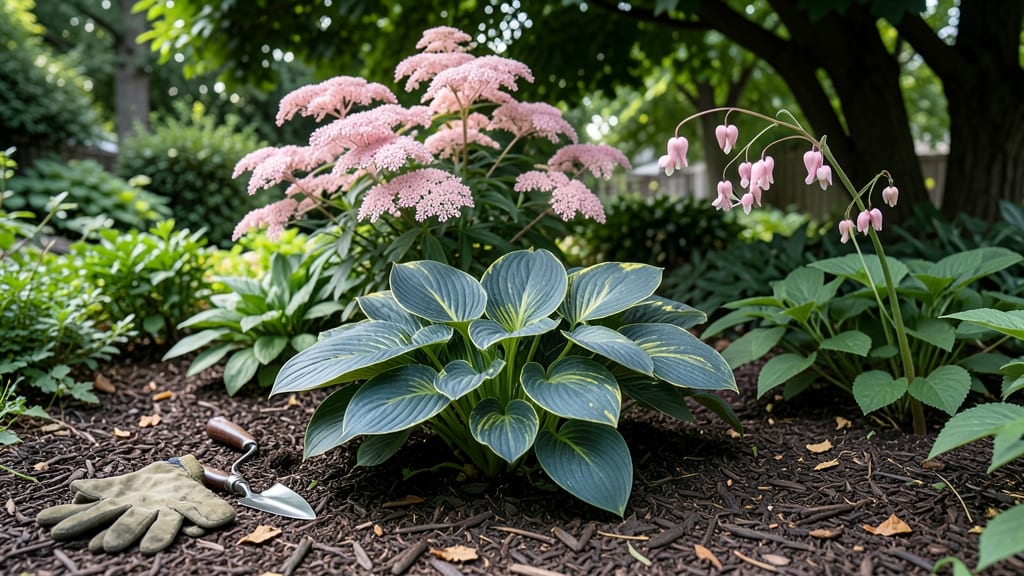
Perennials for shade that bloom all summer don’t have to be boring—imagine nonstop blooms from June to frost. 🌿 I’ve tested dozens of perennials in my own low-light spots, and these 10 plants deliver color without compromise, thriving where others fade. The secret? Choosing species that naturally love shade and bloom prolifically, not just tolerate dim conditions.
Think hostas with lavender blooms, astilbes that look like feathery clouds, and impatiens that spill over containers. These perennials handle 2-4 hours of dappled sun or deep shade, and their care is simple: rich soil, consistent moisture, and occasional deadheading to keep flowers coming.
No fancy tricks—just reliable beauty that lasts.
By midsummer, your shady corners will burst with jewel-toned blooms and lush foliage, creating a lush, living tapestry. The best part? They multiply over time, reducing your workload while increasing your garden’s impact. Perfect for under trees, north-facing beds, or even dark corners of patios.
Whether you’re filling a woodland garden or brightening a city balcony, these perennials adapt to most climates. I’ll share the exact varieties that perform best in my zone—and how to mix them for season-long interest. Let’s make shade your garden’s star feature!
Why Plants Struggle in Shade
Shade gardens can be magical—lush, serene, and full of life—but they also present unique challenges for perennials that want to thrive and bloom all summer long. If your shade-loving plants are underperforming, it’s likely due to one (or more) of these key factors.
Understanding the science behind the struggle helps you fix the issue and create a thriving, long-blooming shade garden.
Shade isn’t just "less light"—it’s a complete shift in photosynthesis dynamics. Most perennials rely on sunlight to convert carbon dioxide and water into glucose (their energy source) via chlorophyll. In deep shade, plants receive less than 30% of full sunlight, forcing them into survival mode.
- Slowed photosynthesis: With limited light, plants produce less glucose, leading to stunted growth, weak stems, and fewer blooms. Some perennials (like Hosta or Astilbe) adapt by growing larger leaves to capture whatever light they can—but this drains energy from flowering.
- Leggy, spindly stems: Plants stretch toward distant light sources (a phenomenon called etiolation), making them top-heavy and prone to flopping. This is why many shade perennials need staking or support.
- Delayed or sparse blooming: Flower production is energy-intensive. If a plant is struggling to photosynthesize, it may skip blooming entirely or produce only a few weak flowers.
Actionable fix: Choose deep-green, shade-tolerant perennials (like Lungwort (Pulmonaria) or Japanese Painted Fern (Athyrium)) that thrive in partial to full shade. If your garden has dappled or filtered light, opt for bright foliage plants (e.g., Heuchera or Tiarella) that still produce flowers.
Shade gardens often have compacted, moisture-retentive soil—a double-edged sword. While consistent moisture sounds ideal, waterlogged roots suffocate plants, blocking oxygen and nutrients. Many shade perennials (like Hydrangeas or Ferns) need well-draining soil to prevent root rot, yet their leafy canopies shade the ground, slowing evaporation.
- Root asphyxiation: Oxygen is crucial for root respiration. In soggy soil, roots can’t breathe, leading to fungal infections (like Phytophthora) and rotting.
- Nutrient leaching: Excess water washes away essential nutrients (nitrogen, phosphorus, potassium), starving plants even if they’re watered regularly.
- Weakened immunity: Waterlogged conditions invite pests (slugs, snails) and diseases (powdery mildew), further stressing already struggling plants.
Actionable fix:
- Amend soil with organic matter (compost, leaf mold, or pine bark fines) to improve aeration.
- Plant in raised beds or on mounds to encourage drainage.
- Choose moisture-loving but well-draining perennials, like Bleeding Heart (Dicentra) or Solomon’s Seal (Polygonatum).
Not all shade is equal! A garden with morning sun and afternoon shade (partial shade) is far different from one with dense tree canopy all day (full shade). Planting the wrong perennial in the wrong light conditions is like giving a desert cactus a bath—it’s doomed from the start.
- Partial shade vs. full shade:
- Partial shade (3–6 hours of light): Ideal for Hosta, Astilbe, or Foxglove (Digitalis)—these bloom well with moderate light.
- Full shade (<3 hours of light): Only true shade lovers like Hellebore (Lenten Rose) or Japanese Anemone (Anemone hupehensis) thrive here.
- Overcrowding: Dense planting blocks light from reaching lower leaves, creating a shade microclimate that suffocates plants at the base.
- Competition for nutrients: Fast-growing ground covers (like Sweet Woodruff) can outcompete slower-blooming perennials for resources.
Actionable fix:
- Map your garden’s light levels with a light meter or observe shadows at different times of day.
- Group plants by light needs—tall perennials (like Cimicifuga) in back, shorter bloomers (like Lamium) in front.
- Avoid leafy but non-blooming fillers (e.g., Sweet Woodruff) if you want continuous color.
Shade gardens often have low nitrogen and phosphorus, two critical nutrients for lush foliage and abundant blooms. Since plants can’t photosynthesize efficiently, they can’t produce enough energy to fuel flower production.
Even if you fertilize, the wrong nutrients can backfire—too much nitrogen = leafy monsters with no flowers.
- Nitrogen (N) deficiency: Leads to yellowing leaves and weak stems. Without enough N, plants prioritize survival over blooming.
- Phosphorus (P) deficiency: Causes stunted roots and poor flower development. Phosphorus is key for energy transfer in plants.
- Potassium (K) imbalance: Too little K = weak stems and disease susceptibility; too much can burn roots.
Actionable fix:
- Use a balanced, slow-release fertilizer (e.g., 10-10-10) in early spring to kickstart growth.
- Top-dress with compost or bone meal (high in P) before blooming season for extra phosphorus.
- Avoid high-nitrogen fertilizers (like lawn food) in late summer—they encourage foliage at the expense of flowers.
By tackling these root causes—light, soil, plant choice, and nutrition—you’ll set your shade perennials up for continuous, vibrant blooms all summer long. The key? Match the right plant to the right conditions and give them the support they need to shine (even in the dark!).
Revive & Sustain Blooming Perennials
Shady gardens can still burst with color all summer—but only if you address the root causes of wilting, sparse blooms, or early fading. Below are practical, step-by-step solutions tailored to the most common issues, plus prevention tips to keep your perennials thriving in low light.
If your shade-loving perennials struggle with soggy roots or stunted growth, the soil itself may be the culprit. Overly dense or waterlogged soil cuts off oxygen, suffocates roots, and invites fungal diseases.
🔥 Step 1: Test Your Soil
- Dig a small hole (6–8 inches deep) near struggling plants.
- Fill it with water and observe:
- If water drains within 1–2 hours, drainage is adequate.
- If it takes longer than 4 hours, amend the soil immediately.
👨🍳 Step 2: Loosen & Amend the Soil
- For clay-heavy soil: Mix in 2–3 inches of compost or aged manure to improve aeration.
- For sandy soil: Add peat moss or coconut coir to retain moisture without suffocating roots.
- For waterlogged spots: Create raised beds with gravel or perlite at the bottom to promote drainage.
🥘 Step 3: Mulch Properly
- Apply a 2–3 inch layer of organic mulch (shredded bark, pine needles, or leaf mold) to regulate moisture and temperature.
- ⚠️ Avoid thick mulch piles—they can smother roots and trap excess moisture.
💡 Prevention Tip:
- Test soil pH (ideal for shade perennials: 5.5–7.0). Use a simple home test kit or send a sample to a local extension office. Adjust with lime (to raise pH) or sulfur (to lower pH) as needed.
Some "shade" areas are actually dappled light zones—perfect for perennials but often misdiagnosed as too dark. If blooms are sparse or leggy, your plants may need a little more indirect light.
🔪 Step 1: Prune Overhanging Branches
- Trim tree branches that block light but don’t remove them entirely—partial shade is still ideal.
- Use bypass pruners for clean cuts and avoid topping trees, which stresses them.
🌡️ Step 2: Choose the Right Spot
- Move light-demanding perennials (like Astilbe or Hosta) to eastern exposures (morning sun + afternoon shade).
- Western exposures can get hot afternoon sun—opt for tolerant varieties like Lungwort (Pulmonaria) or Bleeding Heart (Dicentra).
✨ Step 3: Use Reflective Surfaces
- Place light-colored gravel, mirrors, or white garden stones near plants to bounce extra light onto foliage.
- Avoid glossy surfaces (they can overheat plants).
🎯 Prevention Tip:
- Group perennials by light needs:
- Deep shade (under trees): Hellebore, Ferns, Foamflower
- Partial shade (4+ hours of dappled light): Astilbe, Coral Bells, Japanese Painted Fern
Shade gardens retain moisture longer, but overwatering or uneven hydration can lead to yellowing leaves, fungal issues, or weak stems.
🔥 Step 1: Water Deeply but Less Often
- Deep watering (1–2 inches per week) encourages roots to grow deeper.
- Morning watering (before 10 AM) reduces fungal risks from prolonged leaf wetness.
🍳 Step 2: Improve Water Retention
- Add hydrogel crystals to soil to lock in moisture during dry spells.
- Mulch heavily (4+ inches) to slow evaporation.
🔪 Step 3: Fix Overhead Watering Issues
- Avoid sprinklers—they wet leaves, promoting powdery mildew.
- Use drip irrigation or soaker hoses to deliver water at the base.
💡 Prevention Tip:
- Check soil moisture by pressing your finger 1 inch deep—if dry, water; if damp, wait.
- Group thirsty plants (like Hostas) near water sources and drought-tolerant ones (like Solomon’s Seal) farther away.
Many shade perennials don’t need much fertilizer, but underfeeding leads to weak growth, while overfeeding causes burned roots or excessive foliage (fewer blooms).
🔥 Step 1: Use the Right Fertilizer
- Slow-release organic options (like fish emulsion or worm castings) are best.
- Avoid high-nitrogen fertilizers (they promote leaves over flowers).
👨🍳 Step 2: Apply in Stages
- Spring (early April): Light feeding to stimulate new growth.
- Mid-summer (July): Bloom booster (low-nitrogen, high-phosphorus like 5-10-10).
- Fall (September): Root-strengthening feed (potassium-rich, like kelp meal).
🥘 Step 3: Feed the Soil, Not Just the Plant
- Top-dress with compost every spring and fall instead of synthetic fertilizers.
- Avoid fertilizing in extreme heat—it can stress plants.
💡 Prevention Tip:
- Test soil fertility before adding amendments—over-fertilized shade gardens can harm beneficial microbes.
With these targeted fixes, your shade perennials will rebound with vibrant blooms and stay lush all summer. The key? Observe, adjust, and maintain consistency—shade gardens thrive on patience and the right conditions, not high-maintenance fixes.
Frequently asked questions
Can I grow these shade perennials in containers?
Many shade-loving perennials thrive in containers, especially Astilbe, Heuchera, and Foamflower (Tiarella). Use well-draining potting mix with 20-30% compost and choose pots with drainage holes. For larger varieties like Hosta, opt for 15+ gallon containers to accommodate root growth. Place containers where they receive 3-6 hours of filtered light daily.
How do I keep slugs from eating my shade perennials?
Shade gardens are prime slug territory, but there are effective solutions. Beer traps (bury a cup filled with beer) work well, as do copper barriers around pots. For organic control, try diatomaceous earth or handpick slugs at night. Choose slug-resistant varieties like Japanese Painted Fern or Bleeding Heart, which slugs typically avoid.
Will these perennials bloom in deep shade under mature trees?
Some will! True shade lovers like Hellebore (Lenten Rose), Japanese Anemone, and Foamflower thrive with less than 3 hours of light. Others like Astilbe or Hosta need partial shade (3-6 hours) for best blooms. Test your light levels first—if your spot is truly dark, focus on foliage plants that still offer seasonal interest.
How often should I fertilize shade perennials?
Less is more for shade plants! Apply a balanced organic fertilizer (5-5-5) in early spring and again after mid-summer blooms. Avoid high-nitrogen feeds—they promote leaves over flowers. For heavy feeders like Hosta, add a compost top-dressing annually. Always water before and after fertilizing to prevent root burn.
Can I mix these perennials with annuals for nonstop color?
Yes! Pair long-blooming perennials like Astilbe with shade-tolerant annuals such as Impatiens or Begonias for continuous summer color. Plant annuals in front of perennials to create a layered effect. Just ensure your annuals can handle the same moisture levels—most shade perennials prefer consistently moist (not soggy) soil.