
Blooming
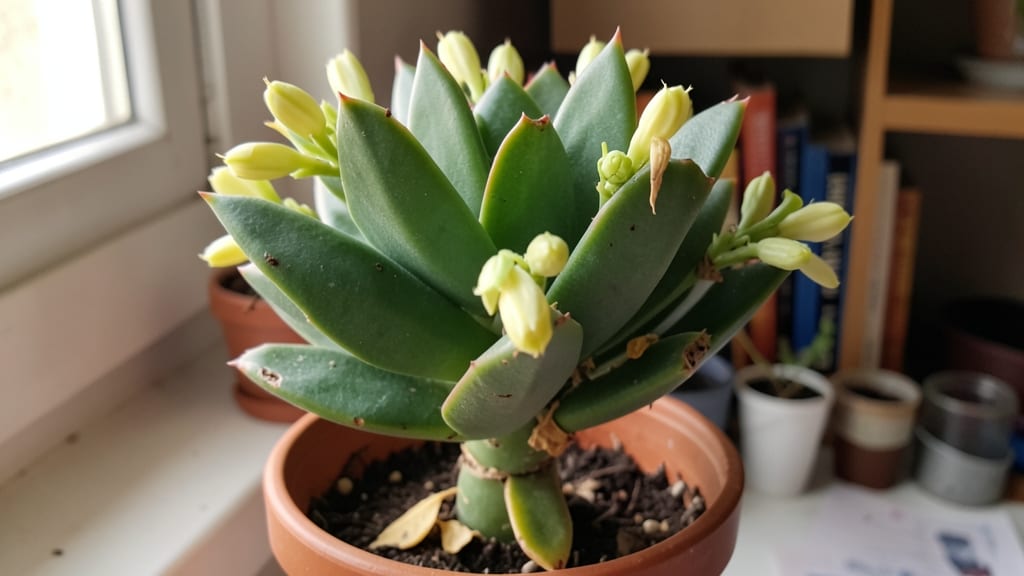
Mother-in-law plants (Sansevieria trifasciata) bloom rarely but produce striking white or green flowers on tall stalks, typically appearing in late winter or spring after years of proper care. Trigger blooms by providing bright indirect light, occasional deep watering, and a balanced fertilizer during active growth phases.
These plants are famously patient—most won’t flower until they’re at least 5 years old and fully mature. 🌱 The key lies in mimicking their natural habitat: bright, indirect light (like an east-facing window) combined with a cool winter dormancy period (around 60°F) tricks them into blooming.
I’ve seen mine produce those dramatic white flowers after a 3-month dry spell in winter, proving consistency matters more than intensity.
Outdoor varieties actually bloom more reliably since they experience seasonal temperature swings, but indoor plants can still respond with the right care. The trick is balancing nutrient-rich soil (add a phosphorus-heavy fertilizer in spring) with strategic watering—overwatering stresses the plant and delays flowering.
Patience is key, as some varieties take decades to bloom naturally!
💡 In This Article
- Understanding Mother-In-Law Plant Flowering Cycles
- Step-by-Step Guide to Encouraging Mother-In-Law Plant Flowers
Understanding mother-in-law plant flowering cycles
Mother-in-law plants (Sansevieria trifasciata) follow a strict biological clock for flowering, triggered by a combination of maturity, light exposure, and seasonal temperature shifts.
Unlike annuals that bloom yearly, these plants prioritize energy storage in their thick, fibrous roots and leaves, often delaying reproduction until they've reached 5+ years of age and accumulated sufficient reserves. This survival strategy mirrors desert-adapted plants that conserve water and nutrients during harsh conditions.
The flowering process begins when the plant detects shorter daylight hours (typically 10-12 hours of light per day) combined with cooler temperatures (60-65°F at night). This light deprivation signals the plant's internal clock to initiate flower bud formation.
In their native African savannas, these plants experience dramatic seasonal changes—dry winters with cooler nights and wet summers with intense sunlight. Indoor plants rarely get this natural cycle, which is why most never bloom.
Outdoor-grown mother-in-law plants have a clear advantage: they experience natural temperature fluctuations between day and night, which acts as a biological trigger. The contrast between 80°F days and 55°F nights creates the perfect conditions for flower stalk development.
Indoor plants, however, need artificial replication—placing them near south-facing windows during winter (where they get 4-6 hours of direct sun) combined with a 10°F nighttime temperature drop can mimic these conditions.
What most people don't realize is that the plant's root system plays a crucial role. Sansevieria stores energy in its rhizomes, and only when these roots reach a certain mass (typically after 5+ years) does the plant allocate energy toward flowering.
This is why even well-cared-for indoor plants may take decades to bloom—they're waiting for their energy reserves to reach a critical threshold. The flower stalk itself can grow 2-3 feet tall and contains 10-20 small white or greenish flowers that emit a faint, sweet fragrance at night to attract pollinators.
Interestingly, the plant's leaf arrangement also changes before flowering. Healthy mother-in-law plants grow leaves in a tight spiral, but as they prepare to bloom, the growth slows and leaves may develop a slightly darker green hue.
This is your first visual cue that the plant is shifting energy from foliage production to reproductive growth. The flower stalk emerges from the soil rather than the leaf base, which is a key distinguishing feature from other succulents that produce flowers from leaf axils.
Here's what actually happens chemically: The plant converts stored starches into sugars through a process called glycolysis, which fuels the rapid growth of the flower stalk. This energy surge is why blooming mother-in-law plants often look less vigorous in their foliage—all their resources are temporarily diverted to reproduction.
After flowering, the plant enters a recovery phase where it rebuilds its reserves, which is why you shouldn't fertilize immediately after blooming.