
Blooming
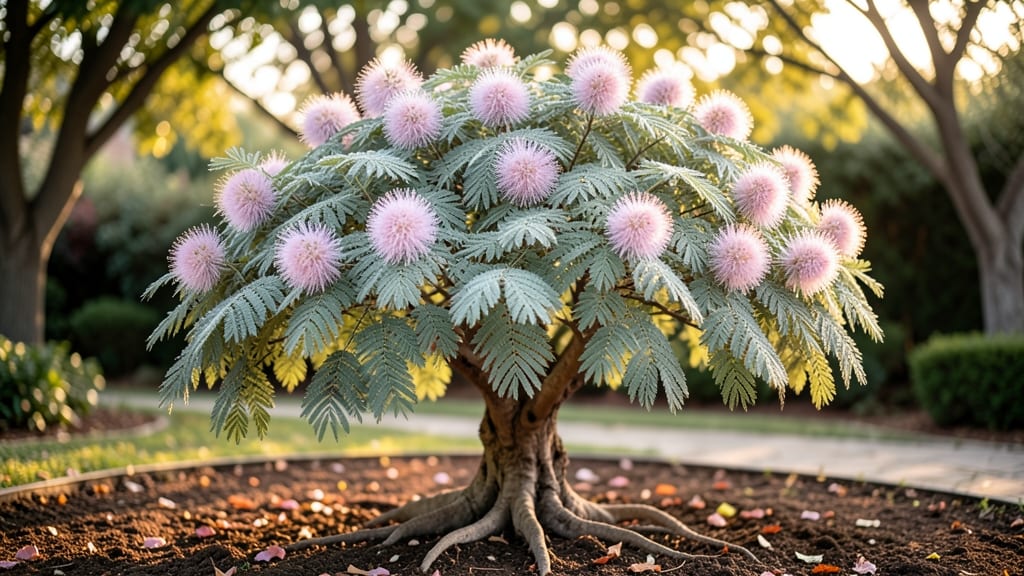
The mimosa tree bloom time in late spring to early summer 🌸 is a fleeting but spectacular show of fluffy pink puffs that turns heads in any yard.
If you’ve ever wondered why your mimosa tree blooms at different times—or why your neighbor’s tree bursts into pink flowers while yours stays bare—understanding bloom cycles by variety and climate zone is the key to unlocking its full beauty.
In most of the U.S., including USDA Zone 6a, the classic Albizia julibrissin lights up in May or June, but timing shifts dramatically depending on where you live and how you care for it.
Below, I break down exactly when to expect those signature blooms, how to adjust for your region, and 5 simple tricks to coax more flowers from your tree—no green thumb required.
Mimosa tree bloom time by variety: when to expect pink clouds
There’s nothing quite like the sight of a mimosa tree in full bloom, its delicate pink fluffy flowers dancing in the breeze. But timing matters—some varieties burst into color in early spring, while others wait until late summer.
Understanding these bloom cycles helps you plan your garden and set realistic expectations for your Albizia julibrissin or other mimosa species.
The bloom time of mimosa trees varies dramatically by variety and climate. For example, the classic silk tree (Albizia julibrissin) typically blooms in late spring to early summer, but Mimosa pudica (the sensitive plant) might flower sporadically throughout the warm months.
Regional differences also play a huge role—southern gardeners often see blooms earlier than their northern counterparts.
To help you predict when your mimosa will shine, here’s a breakdown of the most popular varieties and their typical bloom windows. Whether you’re in USDA Zone 7 or Zone 10, this guide will give you the scoop on when to expect those pink clouds of flowers.
If you’re in the southern United States, you’ll likely see mimosa blooms as early as March or April, thanks to warmer winters. In contrast, gardeners in northern climates (like USDA Zone 5) may not see flowers until late May or June.
The silk tree (Albizia julibrissin) is particularly sensitive to cold—it may skip blooming entirely if winter temperatures drop below 10°F.
For Mimosa pudica, the bloom time is more flexible. This annual variety often flowers sporadically from late spring through summer, especially in humid climates.
Its yellow flowers are less showy than the pink blooms of Albizia, but they add a cheerful pop of color to summer gardens. If you’re growing it as a houseplant, expect blooms year-round in warm indoor conditions.
One common misconception is that mimosa trees bloom only once per year. While most varieties follow a seasonal pattern, some—like the 'Summer Chocolate' variety—can produce a second, lighter flush of blooms in late summer if given the right conditions.
To encourage this, provide consistent moisture and full sun exposure throughout the growing season.
If your mimosa isn’t blooming when expected, don’t panic. Stress factors like over-pruning, poor soil, or inadequate sunlight can delay or even prevent flowering. For example, if your tree gets less than 6 hours of sun, it may focus energy on leaf growth instead of blooms.
Similarly, heavy pruning in late winter can remove next year’s flower buds.
To maximize your chances of seeing those pink clouds, focus on soil health and sunlight exposure. Mimosa trees thrive in well-draining, slightly acidic soil (pH 6.0-7.0). If your soil is too alkaline, the tree may struggle to absorb nutrients, leading to fewer blooms.
Amending the soil with compost or peat moss can make a big difference.
Pro tip: If you’re in a
How USDA hardiness zones affect mimosa bloom timing
Your mimosa tree's bloom time isn't set in stone—it shifts dramatically based on your USDA hardiness zone. In Zone 7, those iconic pink puffs often appear as early as late March, while gardeners in Zone 10 might not see blooms until late summer.
This variation happens because mimosas are sensitive to temperature cues, particularly winter chill hours and spring warmth.
The Albizia julibrissin (common mimosa) needs 60-80°F daytime temps to trigger blooming. In cooler zones, trees may delay flowering until they're confident warm weather will stick around. Meanwhile, in warmer zones, the extended growing season lets them bloom later but often more prolifically.
Understanding these patterns helps you time pruning and fertilization for maximum impact.
| USDA Zone | Typical Bloom Window | Key Temperature Trigger | Bloom Duration |
|---|---|---|---|
| Zones 3-5 | Late May - Early June | 50°F nighttime temps for 2+ weeks | 2-3 weeks |
| Zones 6-7 | Mid-April - Mid-May | 60°F daytime temps consistently | 3-4 weeks |
| Zones 8-9 | Early June - Late July | 70°F+ daytime temps for 3+ weeks | 4-5 weeks |
| Zones 10-11 | August - September | 80°F+ daytime temps year-round | 5-6 weeks |
If you're in a cooler zone (3-6), you can encourage earlier blooms by pruning lightly in late winter to remove dead wood and stimulate new growth. This trick works because mimosas bloom on new wood, so promoting fresh shoots gives them a head start.
For warmer zones (8-10), focus on deep watering during dry spells—mimosas in heat stress often delay blooming until conditions improve.
Another zone-specific tip: In Zone 7 and below, mulch heavily around your tree's base in late winter to protect roots from temperature swings. This stability helps the tree allocate energy to blooming rather than stress recovery.
In contrast, Zone 9+ gardeners should avoid heavy mulching, as mimosas prefer well-draining soil and can rot in overly moist conditions.
For extended bloom periods, try this zone-adapted approach: In Zones 3-6, apply a balanced fertilizer (10-10-10) in early spring as buds form. In Zones 7-10, switch to a low-nitrogen formula in late summer to encourage fall blooming.
The key is matching your feeding schedule to your tree's natural growth cues.
Remember, mimosas are notoriously finicky about blooming—some years they'll put on a spectacular show, while other years they'll barely bud. But by aligning your care with your USDA zone's natural rhythms, you'll maximize your chances of seeing those pink clouds every season.
The right timing can turn a hit-or-miss bloomer into a reliable garden star. 🌿