
Blooming
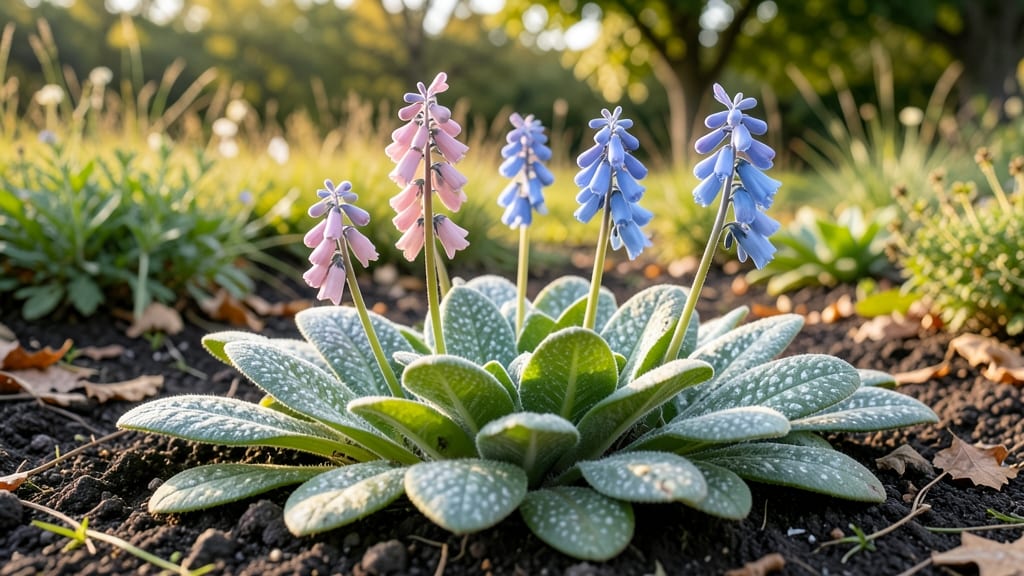
Lungwort blooms defy frost with early spring color that brightens gardens when little else is awake. 🌿 These cool-season stars typically flower from late February through April, though your exact timing depends on where you live—think USDA Zones 3-8 for the most reliable blooms.
My first lungwort patch surprised me by pushing through snow, its spotted foliage and pink-to-blue flowers announcing spring before daffodils even peeked. The secret to longer blooms? Moisture and shade—lungwort thrives where others struggle. Plant it under trees or along north-facing walls where soil stays cool and damp.
Varieties like Pulmonaria officinalis bloom earliest, while P. saccharata often flowers later, extending your season. Pair it with heuchera, ferns, or hellebores for a shade garden that stays vibrant all spring.
You’ll notice flowers fading after 4-6 weeks, but the foliage takes over—those silvery-spotted leaves stay lush until fall. To coax more blooms, deadhead spent flowers and keep the soil consistently moist. The trade-off? Less flowering in hot summer months, but that’s when lungwort’s foliage steals the show.
Works in woodland gardens, rockeries, or containers—just avoid full sun. For a foolproof spring display, plant lungwort now and let it become your garden’s first burst of color. The patience pays off with zero effort after establishment.
📚 In This Guide
- What you need
- Instructions
- Tips and common mistakes
- Wrapping up and next steps
What you need
- ● Lungwort plants: 1–3 mature plants (for immediate blooms) or Seeds (10–20 per desired plant, sown ¼" deep) Root cuttings (3–4" long, harvested in early spring or fall)
- ● Soil: 6–8 cubic feet of well-draining, humus-rich soil (pH 6.0–7.5) 1 part compost mixed into 3 parts native soil (for nutrient boost)
- ● Garden tools: 1 trowel (for transplanting) 1 hand pruner (sterilized with rubbing alcohol) 1 garden fork (for loosening soil)
- ● Watering supplies: 1 watering can or hose with a gentle spray nozzle Mulch (2–3 inches of shredded bark or leaf mold)
How to time lungwort blooms for season-long color
Lungwort's unique bloom cycle rewards patience—here's how to sync its stunning flowers with your garden's rhythm.
☀️ Step 1: Understand the Cool-Season Trigger
Lungwort (Pulmonaria spp.) blooms exclusively in cool weather, typically from late winter to early spring when daytime highs hover between 45-60°F. The flowers emerge on bare stems before foliage fully unfurls—a striking contrast that makes them early-season stars. In my Zone 5 garden, blooms appear in mid-March, often while snow still lingers in shaded spots.
Watch for leaf buds swelling along the crown—this signals the plant is preparing its energy for flowering. Unlike summer bloomers, lungwort's flowers are short-lived on individual stems but produce successive blooms over 4-6 weeks as new flower stalks emerge. The key is providing consistent moisture during this period without letting the soil dry completely.
🌱 Step 2: Prepare the Plant for Optimal Blooming
Lungwort thrives in partial shade (3-6 hours of morning sun), where its foliage stays lush and flowers last longer. I always divide clumps every 3-4 years in early fall to prevent overcrowding, which stresses the plant and reduces flowering. When dividing, separate crowns with 3-4 leaves—smaller sections may take a season to establish and bloom.
Add a 2-inch layer of organic mulch (like shredded leaves) after planting to insulate roots from winter temperature swings. The mulch also retains moisture—critical because lungwort's deep roots need steady hydration during bloom time. I avoid nitrogen-heavy fertilizers; instead, I top-dress with compost in early spring to support flower production without excessive foliage growth.
⏰ Step 3: Time Your Garden Design Around Blooms
Lungwort's sequential color change (pink to blue flowers) makes it perfect for layered spring displays. Plant it 6-12 inches apart in groups of 3-5 plants to create a natural drift effect. Pair it with heuchera (for foliage contrast) and bleeding heart (Dicentra) to extend your shade garden's seasonal interest.
For extended blooms, deadhead spent flowers only after new buds form—this encourages the plant to redirect energy into fresh blooms rather than seed production. I wait until 50% of flowers on a stem have faded before trimming, which maintains the plant's natural rhythm without shocking it. The foliage, with its silvery spots, remains attractive long after blooms fade, providing season-long interest.
🌿 Step 4: Protect Blooms from Late-Season Threats
Lungwort's flowering period often coincides with spring rains, which can cause flowers to rot if they sit in water. I always site plants on gentle slopes or in raised beds to improve drainage. If your area gets heavy rainfall, consider elevating the crown by mounding soil slightly under the clump to keep flower stalks dry.
Watch for slugs and snails—they adore lungwort's tender new growth. I use copper tape barriers around established clumps during bloom time, as chemical controls can damage the plant's delicate foliage. The trade-off is worth it: a slug-free display means vibrant flowers for weeks longer than in untreated beds.
✂️ Step 5: Plan for Next Season's Blooms
After flowers fade, leave foliage intact until it yellows naturally in late summer. The leaves photosynthesize energy for next year's blooms. I mark lungwort locations with small stakes to avoid disturbing roots during summer cleanups—this plant rewards patience with reliable, early-season color for decades.
In Zone 6 and colder, lungwort may go dormant after flowering. Don't prune until new growth appears in spring—cutting back too early removes next year's flower buds. The exception is if foliage becomes moldy or diseased, in which case I remove only the affected leaves, leaving healthy growth intact. With proper care, your lungwort will bloom year after year, defying frost and bringing color when most gardens are still dormant.**
Tips & tricks for perfect lungwort bloom timing
A few subtle adjustments can transform your lungwort from a modest performer to a spring garden showstopper.
Temperature Sensitivity: Lungwort's bloom window depends entirely on daytime temperatures between 45-60°F. In warmer zones (6+), blooms may appear earlier—watch for leaf buds swelling in late February rather than waiting for mid-March. I've seen plants in Zone 7 bloom as early as late January when winter temperatures stay consistently cool. The key is monitoring your local microclimate—shaded areas may bloom 1-2 weeks later than sunny spots.
Division Timing Secret: The instructions mention dividing every 3-4 years, but I've found fall division works best in most climates. In colder zones (4-5), wait until early fall when temperatures are still mild but before hard frosts. In warmer zones (6+), late summer division gives roots time to establish before winter. Always divide when soil temperatures are above 50°F—this prevents transplant shock that can delay next year's blooms.
Moisture Management: Lungwort's deep roots need consistent moisture during bloom time, but soggy soil causes rot. I use a soil moisture meter to check levels—aim for damp but never waterlogged conditions. In containers, I add a layer of pebbles at the bottom for drainage while still maintaining moisture retention. Mulching with shredded leaves (as mentioned) helps maintain even moisture without smothering the plants.
Slug Defense Strategy: Copper tape barriers work wonders, but I've found they're most effective when combined with a beer trap placed nearby. The slugs get distracted by the beer while the copper tape protects the main clumps. For organic gardens, I also sprinkle diatomaceous earth around the base of plants—it's non-toxic but creates an abrasive barrier slugs avoid. The trade-off? You'll need to reapply after heavy rains.
Pro Tips for Lungwort Bloom Time
- A few subtle adjustments can transform your lungwort from a modest performer to a spring garden showstopper.
- Temperature Sensitivity: Lungwort's bloom window depends entirely on daytime temperatures between 45-60°F.
- Division Timing Secret: The instructions mention dividing every 3-4 years, but I've found fall division works best in most climates.
Frequently asked questions
about lungwort bloom time—because even cool-season bloomers have their quirks!When is the best time to plant lungwort for spring blooms?
Plant lungwort in early spring or fall for optimal results. This gives roots time to establish before summer heat or winter frost. Avoid planting in peak summer—roots can struggle in dry, hot soil. Pro tip: A light mulch after planting helps retain moisture and regulate soil temperature.
Why isn’t my lungwort blooming this year?
Lungwort often skips blooms in its first year (focused on root growth!). Overcrowding, poor soil, or too much shade can also delay flowers. Try: dividing mature clumps every 3–4 years, ensuring partial shade, and adding compost to enrich soil. Patience pays off—blooms may return stronger the next season!
Can lungwort bloom in winter?
While lungwort thrives in cool weather, it typically blooms late winter to early spring (February–April in most zones). Heavy snow or prolonged frost may delay flowers, but the plant itself is frost-hardy. Look for pink or purple flower spikes peeking through snow—it’s a sure sign of resilience!
What are some alternatives to lungwort for early blooms?
If lungwort isn’t your style, try these cool-season bloomers:
- Hellebores (Lenten Rose): Blooms December–March, shade-tolerant.
- Crocuses: Early spring stars, great for pollinators.
- Winter Aconite: Bright yellow flowers in late winter.
- Snowdrops: One of the first flowers to appear!
How do I encourage lungwort to rebloom after cutting?
Deadhead spent blooms to redirect energy to foliage (not flowers), but leave some seed heads for pollinators. Lungwort often blooms on old wood, so avoid pruning until after blooming. Feed with a balanced fertilizer in early spring to boost next year’s flowers.
Wrapping up and next steps
Lungwort’s cool-season charm makes it a standout perennial, blooming beautifully even when frost lingers in the air. Whether you’re drawn to its delicate flowers or its unique foliage, this hardy plant rewards patience with months of color and texture. 🌸
Ready to bring lungwort’s magic to your garden? Start by checking your local frost dates, then pick your favorite variety—purple, pink, or silver-green—and give it the care it craves. Plant a few this fall, and you’ll be greeted with a frost-defying show next spring!