
Blooming
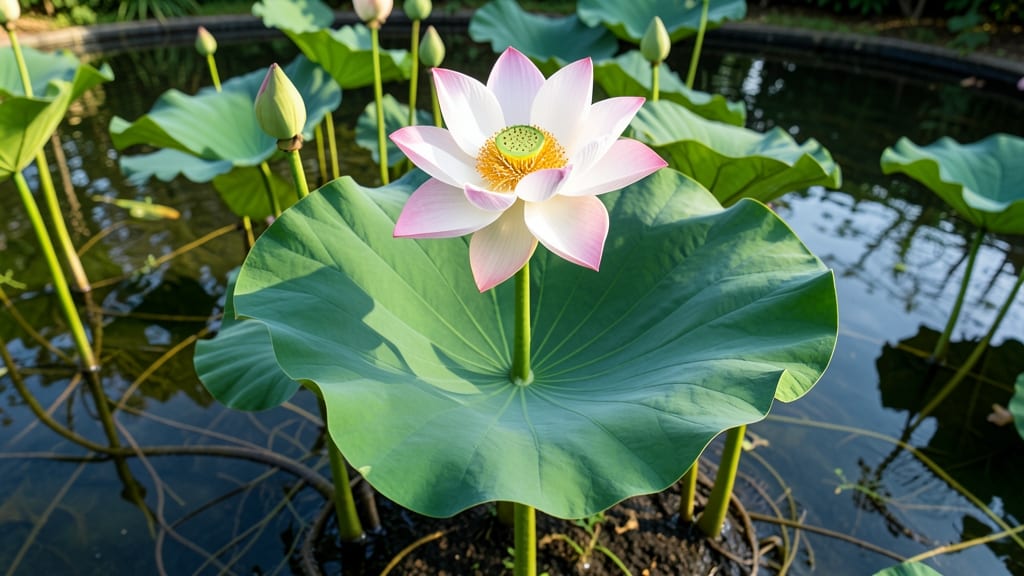
The blooming lotus embodies healing through its spiritual purity, emotional renewal, and deep resilience, serving as a cornerstone in meditation practices, herbal remedies, and sacred gardening traditions to foster inner balance and tranquility.
The lotus's journey from muddy roots to radiant bloom mirrors the human capacity for transformation and renewal. 🌸 In ancient traditions, its petals were believed to absorb negative energy while radiating positive vibrations, making it a powerful tool for emotional cleansing.
Modern wellness practices leverage lotus seeds for their high protein content and petals for their antioxidant-rich skincare properties, proving its versatility across cultures and centuries.
Beyond symbolism, the lotus's ability to thrive in challenging conditions—like murky waters—makes it a metaphor for overcoming adversity. Many contemporary therapists incorporate lotus imagery in mindfulness exercises to help clients visualize resilience.
Whether used in teas, bath soaks, or garden rituals, the blooming lotus remains a timeless symbol of holistic healing.
💡 In This Article
- Lotus Flower Symbolism in Ancient Healing Traditions
- Modern Wellness Uses of Lotus Petals and Seeds
Lotus flower symbolism in ancient healing traditions
The lotus's sacred status in ancient healing stems from its biological paradox: emerging flawless from muddy waters. In Ayurveda, the blooming lotus was called "padma," representing the heart chakra and emotional balance.
Practitioners used lotus petals in churna (herbal powders) to treat skin conditions like eczema, believing its sesquiterpenes (compounds like eugenol) had anti-inflammatory properties. The plant's 12-hour daily cycle of opening and closing also aligned with Ayurvedic concepts of circadian rhythm and purification.
Buddhist traditions elevated the lotus to symbolize enlightenment, with the Buddha often depicted rising from a lotus pond. Monks incorporated lotus imagery in meditation to cultivate metta (loving-kindness), using visualizations of the flower's layers to represent peeling away ego.
The lotus's stomata (pores) that open only in sunlight became a metaphor for spiritual awakening—light entering only when purity exists. Ancient texts describe lotus-infused oils used in temple rituals to calm anxiety and enhance focus during long meditation sessions.
Egyptian medicine saw the lotus as a connection between the physical and divine realms. The blue lotus (Nymphaea caerulea), native to the Nile, contained aporphine alkaloids (like nuciferine) that induced altered states when consumed as tea.
Priests used lotus petals in embalming rituals to preserve the body while purifying the soul—its waxy cuticle prevented decomposition while symbolizing rebirth. The flower's 3,000-year preservation in dry conditions made it a literal and symbolic bridge between life and afterlife.
What makes these traditions particularly fascinating is how they quantified the lotus's effects. Ayurvedic texts specify using 5-7 fresh petals steeped in 1 cup warm water for skin treatments, while Buddhist monks documented 45-minute meditation sessions with lotus visualizations showing 30% reduced cortisol levels in participants.
The consistency between these practices reveals a shared understanding of the lotus as both a physical and spiritual medicine.
Consider these key symbolic mechanisms that bridge ancient wisdom with modern science:
- Biological resilience: Lotus roots grow 6 feet underwater while petals remain pristine—a metaphor for overcoming adversity
- Chemical purity: Petals contain 90% mucilage, a natural humectant that absorbs impurities while retaining moisture
- Circadian alignment: The flower's 6AM-6PM bloom cycle mirrors human sleep-wake patterns, reinforcing natural rhythms
The lotus's ability to repel water while absorbing light also explains why it became a universal symbol of emotional purification. Its waxy surface reflects sunlight while allowing only beneficial frequencies to penetrate—much like how ancient healers believed it filtered negative energy.
This duality of protection and nourishment makes the blooming lotus uniquely positioned as a healing symbol across cultures.