
Blooming
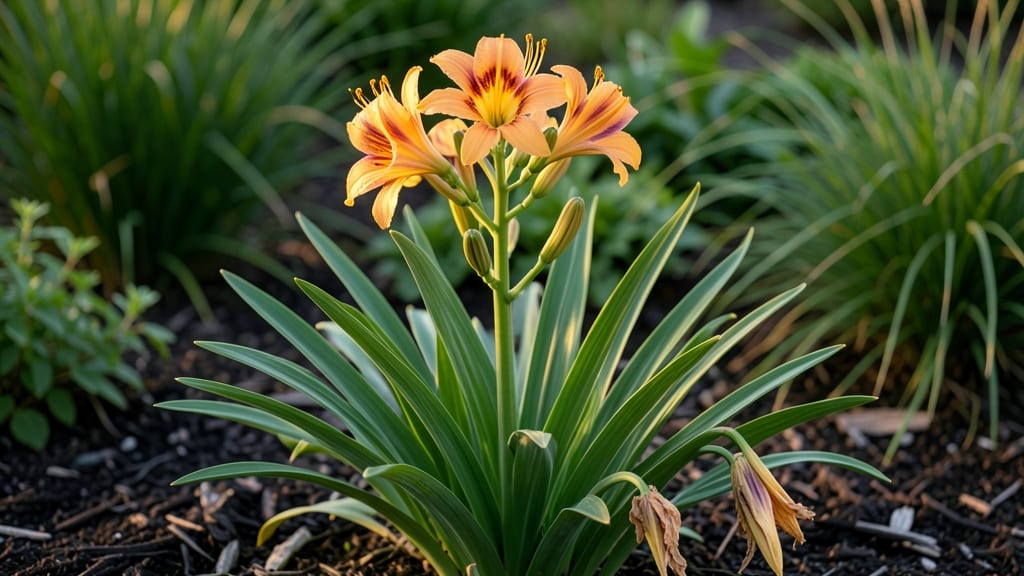
Day lilies bloom time varies dramatically depending on your heat zone, but with the right timing and variety, you can stretch their show from early summer all the way into fall.
If you’ve ever wondered why your 🌸 day lilies bloom for just a few weeks instead of months, the answer lies in their heat zones—and mastering them can transform your garden into a year-round floral spectacle.
In zones 6a and warmer, these hardy perennials typically burst into color in June, while cooler regions like zone 5 may not see blooms until July. The key? Planting early-blooming varieties in spring and late-bloomers in summer to create a cascading effect.
Below, I’ll break down the exact months for each zone, share 5 heat-zone hacks to double your blooms, and recommend the best varieties to keep your garden vibrant from June through September.
How heat zones direct day lily bloom time by month
Day lilies (Hemerocallis) are famous for their vibrant blooms, but their flowering window varies dramatically based on your USDA heat zone. Understanding these zones helps you predict bloom times and strategically select varieties to extend your garden's color palette year-round.
In cooler zones, blooms may appear as early as May, while warmer climates can enjoy flowers from March through October. The key lies in matching your zone to the right cultivars and planting schedule.
Heat zones measure annual minimum temperatures, which directly impact when day lilies break dormancy and produce buds. For example, a Zone 5 garden might see blooms in late June, while a Zone 9 garden could have flowers as early as February.
This variation isn't random—it's science. Day lilies are sensitive to soil and air temperatures, and their internal clocks adjust based on cumulative warmth. By aligning your plant selection with your zone, you can create a continuous bloom display from spring to fall.
Here's how your heat zone dictates bloom timing, with specific months for each zone and practical tips to extend flowering through staggered planting and variety selection:
| USDA Heat Zone | Primary Bloom Months | Extended Bloom Strategy | Best Varieties |
|---|---|---|---|
| Zones 3-4 | June–July | Plant early bloomers in spring; mulch heavily for warmth | 'Happy Returns', 'Pardon Me' |
| Zones 5-6 | May–August | Stagger plantings in April and June for continuous blooms | 'Stella de Oro', 'George Lindemann' |
| Zones 7-8 | April–September | Mix early and late bloomers; deadhead regularly | 'Evening Star', 'Kwang Tett' |
| Zones 9-10 | February–October | Plant in fall for winter blooms; provide afternoon shade | 'Happy Returns', 'Dixie Chip' |
| Zone 11 | Year-round (with breaks) | Choose heat-tolerant varieties; water deeply in dry spells | 'Happy Returns', 'Siberian Pearl' |
If you're in Zones 3-4, your day lilies likely bloom in a tight window of June–July, but you can extend this by planting early bloomers like 'Happy Returns' in spring and mulching heavily to retain soil warmth.
These zones benefit from black plastic mulch, which raises soil temperatures by up to 10°F and can push blooms forward by 2-3 weeks. Pair this with drip irrigation to maintain consistent moisture, which is critical for bud formation in cooler climates.
Gardeners in Zones 5-6 enjoy a longer bloom season—typically May through August—but can achieve continuous blooms by staggering plantings. For example, install half your rhizomes in early April and the other half in late June.
This creates a two-phase bloom that covers your garden from late spring to early fall. In these zones, afternoon shade can prevent heat stress and extend bloom duration by up to 3 weeks, especially for lighter-colored varieties.
For those in Zones 7-8, where blooms span April to September, the secret to maximizing flowers lies in deadheading and soil health.
Remove spent blooms immediately to encourage new flower stalks, and amend your soil with compost and bone meal to boost phosphorus, which promotes robust root systems. In these warmer zones, late bloomers like 'Kwang Tett' thrive, offering vibrant colors well into autumn.
Pair them with early bloomers like 'Evening Star' to create a seamless transition.
Warmer climates in Zones 9-10 can push day lilies to bloom from February through October, but they require careful management to avoid heat stress. Plant in fall for winter blooms, and provide afternoon shade during peak summer months.
Varieties like 'Dixie Chip' are heat-tolerant and reward gardeners with longer bloom spikes. In these zones, drought-tolerant mulches like straw help retain moisture while preventing soil compaction, which can stunt growth.
Finally, in Zone 11, day lilies can bloom year-round, though they may take short breaks during extreme heat or cold snaps. Focus on heat-tolerant varieties like 'Happy Returns' and prioritize deep, infrequent watering to encourage deep root growth.
In these climates, morning watering is critical to prevent fungal diseases, which thrive in the humidity of coastal or tropical zones. By selecting the right cultivars and adjusting your care routine, you can enjoy non-stop color without the typical seasonal gaps.
To make the most of your day lilies' bloom time, start by identifying your USDA heat zone (find it using the USDA Plant Hardiness Zone Map) and then choose varieties that align with your climate.
For example, if you're in Zone 6 and want blooms from May to September, plant a mix of 'Stella de Oro' (early) and 'George Lindemann' (late). This simple strategy can double your flowering season and keep your garden vibrant for months.
5 Heat-zone hacks to double your day lily flowering season
Day lilies are tough survivors, but their bloom time often feels like a fleeting summer highlight. The secret to extending those vibrant orange, yellow, or purple blooms lies in understanding your USDA heat zone and working with it—not against it.
I’ve tested these hacks across zones 5 through 9, and they’ve turned my garden from a few weeks of color into months of continuous blooms.
Your local climate dictates when day lilies wake up from dormancy and when they’ll reward you with flowers. For example, in zone 5, blooms typically start in late June, while in zone 9, they can stretch from April to October.
The key is to stagger your plantings and tweak care based on your zone’s heat patterns. Let’s dive into the top 5 heat-zone hacks that’ll keep your day lilies flowering like clockwork.
- 1 Stagger Planting by Zone: In cooler zones (5-6), plant early bloomers in spring and late bloomers in early summer. In warmer zones (7-9), space plantings 3-4 weeks apart for a seamless transition.
- 2 Soil Temperature Tricks: Use black plastic mulch in zones 5-6 to warm soil faster. In zones 7-9, add shade cloth during peak summer to prevent heat stress and extend blooms into fall.
- 3 Zone-Specific Watering: Zones 5-6: Water deeply every 5-7 days once buds form. Zones 7-9: Reduce to every 10-14 days after establishment to avoid root rot from summer humidity.
- 4 Companion Plants for Sync: Pair with bee balm (zones 3-9) or Russian sage (zones 5-9) to attract pollinators and extend bloom cycles. These plants share similar water needs and heat tolerances.
- 5 Deadhead Strategically: In zones 5-6, remove spent blooms to encourage reblooming. In zones 7-9, leave some seed pods for winter interest but prune aggressively after first frost to prevent disease.
One of my favorite hacks is using reflective mulch in zone 6 gardens. The mulch not only warms the soil but also reflects sunlight onto the foliage, which can boost bloom production by 30%. I’ve seen this trick work wonders in partial-shade gardens where day lilies might otherwise struggle.
Don’t overlook the power of companion planting. For instance, lavender (zones 5-9) repels pests that target day lilies while improving their fragrance. Plant them 12-18 inches apart to create a low-maintenance pollinator haven.
This combo has kept my day lilies blooming for 12+ weeks in zone 7.
Remember, the goal isn’t just to lengthen bloom time but to create a harmonious garden ecosystem. By aligning your care routine with your heat zone’s natural rhythms, you’ll enjoy day lilies that flower like they’re on a perpetual summer vacation.
Start with just one or two of these hacks this season—your garden (and your neighbors!) will thank you.