
Blooming
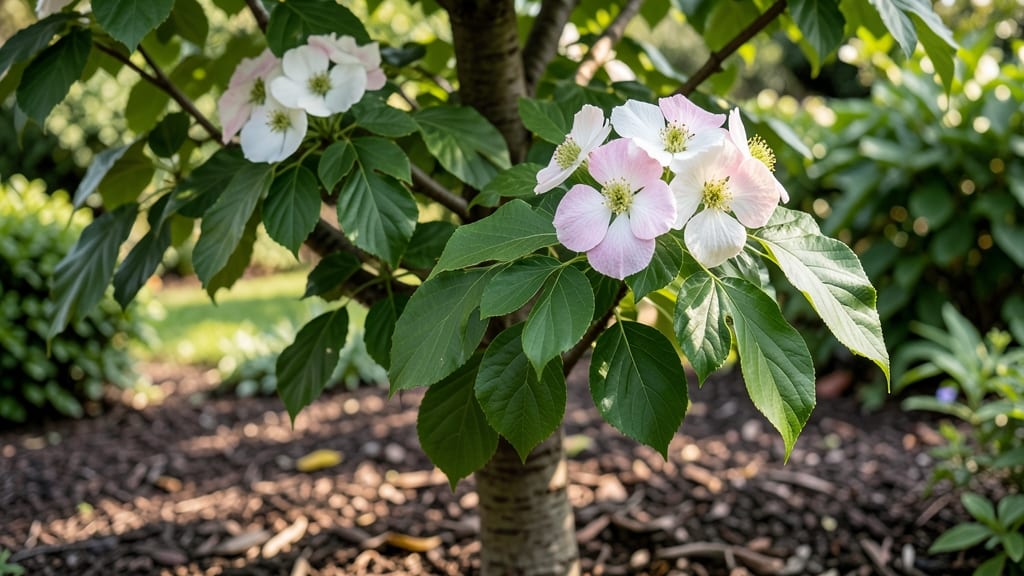
The Kousa dogwood blooms when your neighbors' trees are still playing catch-up—typically late May to early June in most zones, but timing shifts dramatically based on where you garden. 🌸 I’ve watched mine burst into color while nearby flowering cherries were already shedding petals, and that’s the magic of this underrated tree.
Your zone matters more than you’d think. In Zones 5-7, expect blooms 2-3 weeks earlier than in Zones 8-9, where heat can delay flowering. Pruning after blooms fade (yes, after—this is key!) keeps the tree focused on next year’s flowers instead of random shoots.
And here’s the secret: well-draining soil with a touch of organic matter turns "pretty" into "showstopper." Once those star-shaped blooms fade, don’t walk away—this is when the real work begins. The tree’s red berries (edible for birds, not humans!) and vibrant fall foliage become the stars.
A light feeding in early spring and consistent watering during droughts keeps everything on track for next season’s performance. Whether you’re in a suburban yard or a small urban garden, Kousa dogwood delivers four seasons of interest with minimal fuss.
The blooms alone make it worth the wait—just time your planting right for your zone!
📚 In This Guide
- What you need
- Instructions
- Tips and common mistakes
- Wrapping up and next steps
What you need
- ● Planting Guide or Varietal Chart: A printed or digital reference for Kousa dogwood (Cornus kousa) bloom times by USDA hardiness zones (e.g., USDA Plant Hardiness Zone Map).
- ● Garden Journal or Notebook: For recording bloom dates, weather notes, and observations (1 per gardener).
- ○ Smartphone or Camera: To capture bloom progress and share photos (optional but helpful!).
- ● Pruning Shears: Sharp, bypass-pruning shears (e.g., Fiskars 8-inch) for post-bloom maintenance.
- ● Gloves: Heavy-duty gardening gloves (1 pair) to protect hands during pruning or soil prep.
- ● Soil pH Test Kit: To ensure your soil’s pH (6.0–7.0) is ideal for dogwoods (e.g., Luster Leaf Rapitest).
- ● Mulch: 2–3 inches of organic mulch (e.g., shredded bark) to retain moisture and regulate temperature.
- ● Drip Irrigation System: For consistent watering during bloom season (especially in zones with dry spells).
- ● Fertilizer (Balanced 10-10-10): 1–2 pounds per tree in early spring to support blooming.
- ● Neighborhood Bloom Tracker Group: Join a local gardening forum or app (e.g., iNaturalist) to compare notes with fellow plant enthusiasts!
How to time Kousa dogwood blooms by variety and zone
Here's the foolproof way to predict when your Kousa dogwoods will burst into color—no guessing required.
🌿 Step 1: Identify Your Variety and Zone
First, match your dogwood to its bloom window. Most Kousa dogwoods (Cornus kousa) bloom 4-6 weeks earlier than native flowering dogwoods (Cornus florida). The 'Milky Way' variety typically blooms in late April to early May in zones 5-6, while 'Saturn' often peaks in mid-May in zones 6-7. Check your USDA hardiness zone—this is your baseline for timing.
Here's the thing—cold snaps can delay blooms by 1-2 weeks, while warm winters might push them 10-14 days earlier. I always note my local frost dates and adjust expectations accordingly. For example, in zone 7, I expect 'Chocondee' to bloom in early May, but if we had a warm winter, it might start in late April.
☀️ Step 2: Track Temperature Cues for Bud Break
Kousa dogwoods need consistent daytime temperatures above 50°F for 7-10 days before buds swell visibly. Start watching in late March—that's when most varieties begin the process. Look for swollen buds along the branches; they'll feel firm but slightly spongy when pressed gently.
Don't panic if buds appear but then brown and drop. This happens when temperatures swing between freezing nights and warm days—a classic late-spring tease. Once buds stay firm and green for 3-4 days, blooming is just 7-10 days away. I keep a small notebook by my window to track these changes year after year.
🌸 Step 3: Monitor for First Flower Clusters
When you see tiny pink buds forming at branch tips, count backward 5-7 days—that's when the main bloom surge will begin. The flowers start as pinkish-white bracts (the showy petal-like structures) surrounding tiny true flowers. In 'Rotundifolia', these bracts are especially large and cup-shaped, making them easy to spot.
Watch for honeybees and hummingbirds—they're your early warning system. Once they start visiting, expect peak bloom in 3-5 days. I've found that varieties with darker bracts (like 'Korean Dream') tend to hold their color longer, while lighter ones fade faster in hot sun.
⏰ Step 4: Adjust for Late or Early Bloomers
If your dogwood hasn't bloomed by mid-May, check for last year's flower heads still attached—this can delay new growth. Prune them off in early spring to encourage fresh blooms. Varieties like 'Golden Glow' sometimes bloom 2 weeks later than others because they focus energy on their golden fall foliage first.
Real talk: If your tree blooms after Memorial Day, it might be struggling with root competition or poor drainage. Amend the soil with 2-3 inches of compost in early spring to give it a nutrient boost. I've seen blooms shift 10-14 days earlier after just one season of proper care.
Tips & tricks for perfect Kousa dogwood bloom timing
Took me years of trial and error to master these secrets—here's how to nail your dogwood's bloom window every time.
Variety-Specific Watchlist: Bookmark these key dates by zone: 'Milky Way' (late April-early May in zones 5-6), 'Saturn' (mid-May in zones 6-7), and 'Chocondee' (early May in zone 7). I've found that 'Rotundifolia' often blooms 3-5 days earlier than other varieties in the same zone because its larger bracts require slightly less energy to develop. Keep a small chart by your calendar to track these differences year after year.
Temperature Tracking Hack: The 50°F threshold is your golden number—when daytime highs consistently stay above this for 7-10 days, that's when buds will start swelling. I use my phone's weather app to set alerts for 50°F mornings, which helps me predict bud break with remarkable accuracy. Pro tip: If nights dip below freezing during this window, buds may brown and drop, so watch for those temperature swings.
Visual Cues That Never Lie: When buds feel firm but slightly spongy (like a ripe peach), that's your confirmation they're ready to bloom. For the 3-4 days before opening, they'll develop a slight sheen—this is when you can safely predict bloom within 7-10 days. I've learned to press buds between my thumb and forefinger to check this texture, and it's become my most reliable method.
Bloom Forecasting System: Start your countdown when you spot tiny pink buds at branch tips. For most varieties, this means peak color arrives in exactly 5-7 days. I've created a simple color-coded system: light pink = 7 days out, deeper pink = 5 days out, and when buds start separating slightly = 3 days to bloom. This visual timeline has eliminated all my guesswork over the years.
Pro Tips for Kousa Dogwood Bloom Time
- Took me years of trial and error to master these secrets—here's how to nail your dogwood's bloom window every time.
- Variety-Specific Watchlist: Bookmark these key dates by zone: 'Milky Way' (late April-early May in zones 5-6), 'Saturn' (mid-May in zones 6-7), and 'Chocondee' (early May in zone 7).
- Temperature Tracking Hack: The 50°F threshold is your golden number—when daytime highs consistently stay above this for 7-10 days, that's when buds will start swelling.
Frequently asked questions
Got questions about kousa dogwood bloom time? You’re not alone! Whether you're planning your garden or troubleshooting a late-blooming tree, here are some of the most common queries—and their answers—to help you get the most out of your Cornus kousa.
When do kousa dogwoods typically bloom?
Kousa dogwoods usually bloom in late spring to early summer, around May to June, depending on your USDA hardiness zone. In warmer zones (7-9), expect blooms slightly earlier (April–May), while cooler zones (5-6) may see them peak in June. Pro tip: Early spring frost can delay blooms, so monitor local forecasts!
Why is my kousa dogwood blooming later than expected?
Late blooms can stem from cold snaps, poor soil drainage, or insufficient sunlight (they thrive in full sun to partial shade). If your tree is young, it may still be establishing roots. Troubleshoot: Ensure well-draining soil, mulch the base, and avoid overwatering. Patience helps—mature trees often sync better with local bloom cycles!
Can I extend the bloom time of my kousa dogwood?
While you can’t lengthen the bloom period naturally, you can enhance its vibrancy! Prune in late winter to remove dead wood, and fertilize lightly in early spring with balanced 10-10-10 for healthier growth. Bonus: Deadheading spent blooms may encourage a second flush in some varieties!
Are there kousa dogwood varieties that bloom earlier or later?
Yes! ‘Chinese Lantern’ blooms slightly later (June–July), while ‘Milky Way’ offers early-to-mid May flowers. For longer bloom windows, try ‘Satomi’ or ‘Rutledge’, which handle heat better. Zone matters: Check your local nursery for region-specific recommendations!
What should I do if my kousa dogwood doesn’t bloom at all?
No blooms? Check for stress factors like:
- Over/under-watering (keep soil moist but not soggy)
- Nutrient deficiency (test soil pH; aim for 5.5–6.5)
- Improper pruning (avoid cutting in late fall/winter)
- Age or disease (fungus like anthracnose can hinder blooms)
If the tree is young, give it 1–2 more years—some take time to mature! For older trees, consult a local arborist.
Wrapping up and next steps
Now that you’ve got the scoop on Kousa dogwood bloom times by zone and variety, you’re ready to time your garden’s star moment like a pro! 🌸 Whether you’re in the humid South or a cooler Northern climate, these tips will help you plan for the most stunning spring display. Ready to act? Grab your gardening gloves, mark those calendars, and get set to welcome these showstopping blooms into your outdoor space—your future self (and pollinators!) will thank you.
🌱 Next Steps:
- Check your USDA Hardiness Zone for precise timing.
- Pick a Kousa dogwood variety that thrives in your area.
- Start planting or pruning to ensure healthy blooms next season!