
Blooming
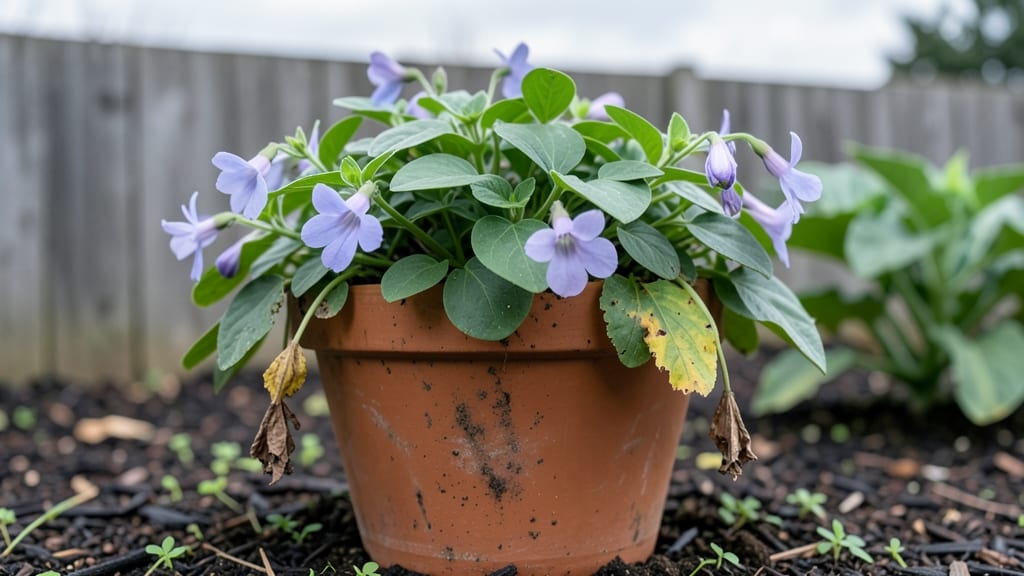
Impatiens stopped blooming? That burst of color fading to just green leaves is heartbreaking—but it’s fixable. 🌿 I’ve nursed back more impatiens than I’d like to admit, and the solution almost always comes down to light, water, or a little extra love.
The good news? These plants bounce back faster than you’d expect once you adjust just a few things.
The most common culprits are too much shade or inconsistent watering, both of which trick impatiens into focusing on leaves instead of flowers. You’ll know it’s light-related if the stems stretch tall and leggy, or if the leaves turn pale.
Overwatering or underwatering can cause yellowing edges or droopy stems, while nutrient deficiencies show up as small, sparse leaves. The fix starts with a simple check: Are they getting bright, indirect light for at least 6 hours daily? Are the top inch of soil dry before watering again?
Here’s the revival plan: trim back leggy stems to encourage bushier growth, move them to a sunnier spot (but avoid harsh afternoon sun), and feed them with a balanced 10-10-10 fertilizer every 2 weeks.
Within 2-3 weeks, you’ll see new buds forming—just like they’re starting fresh. The key is consistency: impatiens reward steady care with nonstop blooms all season.
Once they’re back in full bloom, keep an eye on those leaf discoloration clues—they’re your early warning system. A little preventive pruning and regular feeding will keep them flowering like crazy until frost. Let’s get those blooms back!
Root Causes Behind Missing Blooms
When your Impatiens plants suddenly stop blooming, it’s often a sign that something fundamental is out of balance. These vibrant plants rely on precise conditions to thrive—and when those needs aren’t met, they’ll prioritize foliage over flowers.
Let’s break down the key reasons your Impatiens might be holding back those colorful blooms, backed by science and actionable insights.
🌱 Insufficient light exposure
Impatiens are partial-shade lovers, but they need the right balance of light to trigger flowering. Too little light means they can’t photosynthesize efficiently, while too much direct sun (especially in hot climates) causes stress, leading to leaf burn and reduced blooming.
- Scientific reason: Flowering in Impatiens is regulated by phytochrome pigments, which detect light levels. Low light reduces florigen production—a hormone that signals the plant to bloom.
- Actionable fix:
- Provide 4–6 hours of morning sun + dappled afternoon shade (e.g., under a tree canopy or sheer curtain).
- Avoid placing them in deep shade (e.g., under dense evergreens) or harsh afternoon sun (e.g., south-facing windows in hot zones).
- Use grow lights (12–14 hours/day) indoors if natural light is limited.
💧 Overwatering or poor drainage
Impatiens hate soggy roots—yet many gardeners drown them without realizing it. Excess moisture stresses the plant, diverting energy away from blooming and toward survival.
- Scientific reason: Waterlogged soil reduces oxygen availability in roots, triggering anaerobic respiration. This process produces ethylene gas, which inhibits flower production and can even cause root rot.
- Actionable fix:
- Water only when the top 1–2 inches of soil are dry (stick your finger in to check!).
- Ensure pots have drainage holes and use well-draining soil (mix potting soil with perlite or sand).
- Avoid letting plants sit in trays of standing water—empty excess after watering.
🌡️ Temperature or nutrient imbalances
Impatiens are cool-season plants that struggle in extreme heat or cold. Additionally, nutrient deficiencies (especially phosphorus and potassium) can stunt flowering.
| Issue | Scientific Cause | Fix |
|---|---|---|
| Heat Stress (>85°F/30°C) | High temperatures inhibit pollinator activity and disrupt hormone signaling (e.g., gibberellins), leading to fewer blooms. |
|
| Phosphorus Deficiency (P) | Phosphorus is critical for energy transfer in cells, including flower development. Yellow/purple leaves indicate a lack of P. |
|
| Potassium Deficiency (K) | Potassium regulates enzyme activity and water balance, both essential for bud formation. Brown leaf edges signal a K shortage. |
|
⏳ Overdue pruning or deadheading
Impatiens are prolific bloomers, but without proper maintenance, they’ll focus energy on seed production instead of new flowers.
- Scientific reason: When spent blooms aren’t removed, the plant allocates resources to seed development via ethylene release, slowing down new flower production.
- Actionable fix:
- Deadhead regularly: Pinch off faded blooms daily or every other day to encourage continuous flowering.
- Prune leggy stems: Trim back overgrown branches by ⅓ to promote bushier, more compact growth (and more blooms!).
- Avoid heavy pruning in late summer: New growth may not have time to bloom before frost.
Pro Tip: 💡 If your Impatiens are older than 1–2 years, they may naturally slow flowering. Consider replacing them with fresh plants for a burst of color!
Quick Fixes for Reviving Blooms
Now that you know why your impatiens might have stopped blooming, let’s tackle the solutions—one cause at a time. Each fix is designed to be simple, effective, and easy to implement, so you can get those vibrant flowers back in no time! 🌸
🔥 Fix 1: Overcrowded Roots? Prune & Repot
If your impatiens are root-bound or overcrowded, they’ll focus energy on growth instead of blooming. Here’s how to give them space to thrive:
- 🔪 Trim the Roots (Gently!) Carefully remove the plant from its pot and examine the roots. If you see a tight, tangled mass circling the container, use clean scissors to snip 10-20% of the longest roots (about 2-3 inches). This encourages new, healthier growth.
- 🏺 Upgrade the Pot (If Needed) If the roots are severely crowded, move your impatiens to a container just 1-2 inches larger in diameter. A pot that’s too big can cause soil to stay soggy, so avoid oversizing.
- 🌱 Fresh, Well-Draining Soil Repot using a lightweight, peat-based potting mix with perlite or sand for drainage. Avoid garden soil—it compacts and suffocates roots.
💡 Pro Tip: After repotting, skip fertilizing for 2 weeks to let the roots recover before pushing new blooms.
🍳 Fix 2: Nutrient Burn? Adjust Your Fertilizer Game
Too much fertilizer (especially high-nitrogen types) can shock your plants and halt flowering. Here’s how to correct the imbalance:
- 🚫 Flush the Soil Water the plant thoroughly for 10-15 minutes to leach out excess salts. Repeat 2-3 times over a week to cleanse the soil.
- ⚖️ Switch to a Bloom-Boosting Fertilizer Use a balanced, water-soluble fertilizer (like 10-10-10 or 20-20-20) diluted to half strength. For even better results, opt for a phosphorus-heavy formula (e.g., 5-10-5) to encourage flowering.
- 📅 Feed on a Schedule Fertilize every 2-3 weeks during spring and summer, but stop completely in fall and winter when growth slows.
🌡️ Pro Tip: If your plant looks crispy or yellow, it’s a sign of salt buildup—flush the soil immediately!
👨🍳 Fix 3: Not Enough Sunlight? Move & Mulch
Impatiens need bright, indirect light to bloom. If they’re in a shady spot, they’ll focus on leafy growth instead of flowers.
- 🌞 Find the Sweet Spot Move your plant to a location with 4-6 hours of morning sun or dappled shade (like under a tree with filtered light). Avoid deep shade or harsh afternoon sun, which can scorch leaves.
- 🌿 Mulch for Moisture & Heat Apply a 1-inch layer of mulch (like shredded bark or coconut coir) around the base to retain moisture and keep roots cool. This helps prevent stress during hot days.
- 💡 Pro Tip: If moving isn’t an option, rotate the pot weekly so all sides get equal light exposure.
⏰ Fix 4: Deadheading Done Wrong? Try This Instead
If you’ve been deadheading improperly (or not at all), your impatiens might be confused about when to produce new blooms.
- 🌸 The Right Way to Deadhead Use clean pruners or fingers to pinch off spent blooms at the base (where the flower meets the stem). For impatiens, stop just above a set of healthy leaves to encourage branching.
- 🌱 Encourage Bushier Growth If your plant is leggy, trim the tallest stems by 1/3 to promote fuller, bushier growth—which means more flower sites!
- ✨ Bonus: If your impatiens are New Guinea types, they’re more forgiving—just remove only the faded flowers, not the entire stem.
🎯 Pro Tip: Deadhead early in the morning when stems are stiff—this reduces stress on the plant.
🌿 Prevention Tips for Future Blooms
Once your impatiens are back in bloom, keep them happy with these long-term strategies:
- 🌧️ Water Wisely: Keep soil consistently moist but not soggy—impatiens hate "wet feet."
- 🍃 Avoid Drafts: Keep them away from AC vents, fans, or cold drafts, which stress the plant.
- 🔄 Rotate Seasonally: In fall, reduce watering and fertilizing. In spring, gradually reintroduce care as temps rise.
- 🐞 Pest Patrol: Watch for aphids or spider mites—wipe leaves with neem oil if you spot them early.
Your impatiens will be blooming beautifully again in no time! 🌺 Which fix are you trying first? Let us know in the comments!
Frequently asked questions
Why are my impatiens suddenly growing only leaves and no flowers?
Your impatiens likely need a light adjustment—these plants thrive with 4-6 hours of bright, indirect sunlight daily. If they're in deep shade, they’ll prioritize leaf growth over blooms. Move them to a spot with morning sun and filtered afternoon light, or use grow lights indoors for 12-14 hours/day. Also check for nutrient imbalances—phosphorus deficiency (yellow/purple leaves) or over-fertilizing with nitrogen can halt flowering.
How often should I deadhead impatiens to encourage more blooms?
Deadhead daily or every other day by pinching off spent blooms at their base—this prevents seed production and redirects energy to new flowers. For leggy plants, trim the tallest stems by ⅓ to promote bushier growth. Pro tip: Do this in the morning when stems are firm for less stress on the plant.
Can overwatering cause impatiens to stop blooming?
Soggy roots from overwatering trigger ethylene gas production, which inhibits flower development and can cause root rot. Always check soil moisture by sticking your finger 1-2 inches deep—only water when dry. Ensure pots have drainage holes and avoid letting plants sit in saucers of standing water.
What’s the best fertilizer for reviving blooms in impatiens?
Switch to a phosphorus-rich fertilizer like 5-10-5 or 10-10-10 (diluted to half strength) to boost flowering. Avoid high-nitrogen formulas (like 30-10-10), which promote leaves over blooms. Feed every 2-3 weeks in spring/summer and flush the soil if leaves look crispy (sign of salt buildup).
Should I replace old impatiens if they stop blooming?
If your impatiens are older than 1-2 years, they may naturally decline. For fresh blooms, consider replanting—younger impatiens respond better to care and often bloom more vigorously. Prune back leggy stems by ⅓ before replanting to encourage compact, bushy growth.