
Blooming
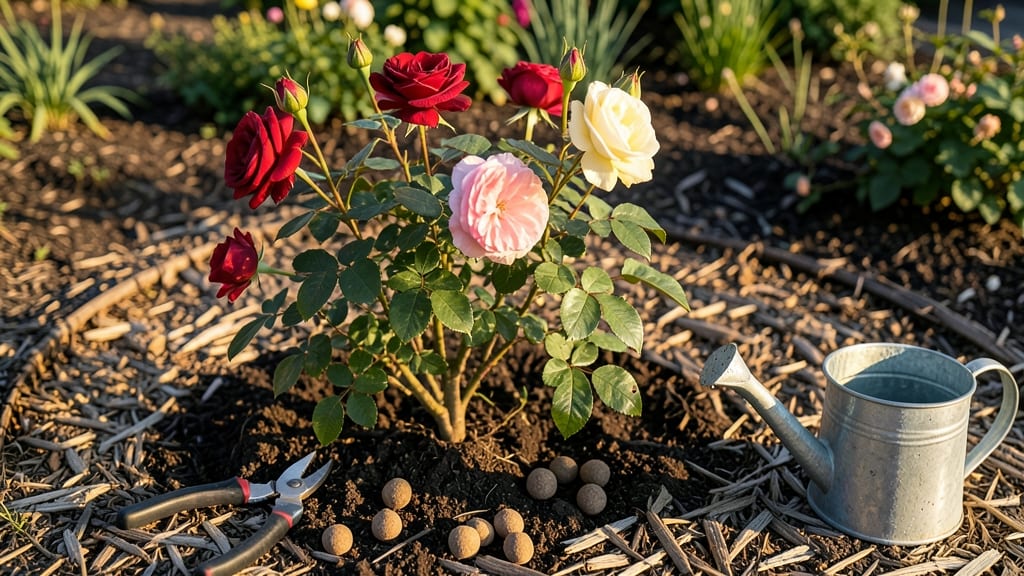
To make roses bloom more, focus on three critical factors: sunlight, soil health, and strategic pruning. 🌹 I’ve transformed my once-sparse rose bushes into lush, flower-filled shrubs by mastering these basics—no fancy tricks, just science-backed care.
The difference between a handful of blooms and a full-blown explosion of color starts here.
The first step is sunlight—roses crave 6-8 hours of direct sun daily, but they’ll scorch in afternoon heat. I plant mine where morning sun warms the soil, and afternoon shade keeps leaves from crisping.
Amend your soil with compost to improve drainage, and feed with a balanced rose fertilizer every 4-6 weeks during growing season. Prune in late winter or early spring, cutting back to an outward-facing bud to encourage strong new growth.
With these adjustments, you’ll see more buds forming and fewer spent blooms. My hybrid teas now produce three times as many flowers as they did before, and the blooms last longer too.
The key is consistency—don’t skip fertilizing or pruning, and watch your roses reward you with vibrant, continuous blooms all season.
Works for hybrid teas, floribundas, and shrub roses alike. Here’s how to fine-tune your approach for your specific variety—because every rose has its own secrets to unlocking that perfect bloom.
📚 In This Guide
- What you need
- Instructions
- Tips and common mistakes
- Wrapping up and next steps
What you need
- ● Roses: Healthy, disease-free rose bushes (choose varieties suited to your climate, like Knock Out® or David Austin English roses).
- ● Well-draining potting mix or garden soil: 5–10 gallons (for in-ground) or 1–2 gallons per pot (for container roses). Opt for a mix with 50–60% organic matter (compost, peat moss, or coconut coir).
- ● Balanced fertilizer: 10-10-10 or 12-12-12 NPK ratio (1–2 tbsp per plant, applied every 4–6 weeks during growing season).
- ● Organic mulch: 2–3 inches of shredded bark, straw, or compost to retain moisture and regulate soil temperature.
- ● Pruning shears: Sharp, bypass-style shears (sterilize with rubbing alcohol between cuts).
- ● Garden gloves: Heavy-duty, nitrile-coated for protection against thorns and soil.
- ● Watering can or hose with adjustable nozzle: Ensure even, deep watering (1–1.5 inches per week, including rainfall).
- ● pH testing kit: To check soil pH (roses thrive in 6.0–6.5 range; adjust with lime or sulfur if needed).
- ● Epsom salt: 1 tbsp dissolved in 1 gallon of water (monthly spray for magnesium boost).
- ● Slow-release fertilizer spikes: For hassle-free nutrient delivery over 3–6 months.
- ● Rose-specific fungicide: (e.g., Neem oil or copper fungicide) to prevent black spot or powdery mildew.
- ● Drip irrigation system: Automates watering for consistent moisture.
- ● Reflective mulch or aluminum foil: Placed around plants to increase sunlight exposure in shady areas.
- ● Compost tea: Homemade or store-bought to enrich soil with beneficial microbes.
Step-by-step guide to encouraging more rose blooms
Here's how I transform my roses into nonstop bloomers—no fancy tricks, just smart care.
☀️ Step 1: Position for Maximum Sunlight
Roses demand 6-8 hours of direct sunlight daily—no compromise. I place my bushes where they get morning sun and afternoon light, avoiding harsh midday glare that can scorch petals. Observe your roses now: if leaves look pale or stems stretch toward light, they need relocation.
South-facing spots work best in northern climates, while east or west exposures suit warmer regions. If your garden lacks full sun, choose disease-resistant varieties like 'Knock Out' roses—they bloom prolifically even with 4-5 hours of light. Mulch around the base with 2-3 inches of organic matter to retain moisture and regulate soil temperature.
🌿 Step 2: Feed with the Right Nutrition
Bloom production starts with balanced feeding. I apply a slow-release rose fertilizer in early spring, following package rates for 4-6 foot bushes. Look for formulations with higher phosphorus (the middle number)—this is the bloom-boosting nutrient. I avoid high-nitrogen fertilizers after June, as they encourage leafy growth at the expense of flowers.
Top-dress with compost annually to replenish organic matter. You'll notice new blooms forming within 4-6 weeks of proper feeding, especially on canes that emerged last year. Yellowing leaves signal over-fertilization—reduce feeding immediately and water deeply to flush excess salts.
✂️ Step 3: Prune for Airflow and Flower Production
I prune roses in three stages: first in late winter to remove dead wood, then again after blooming to shape the bush. Cut back to an outward-facing bud just above a 5-leaf cluster—this encourages strong new growth. Remove crossing branches and weak stems at the base. You'll see more blooms on canes that are 1/4 inch thick or larger.
Deadhead spent blooms regularly by cutting back to the first 5-leaf cluster below the flower. This redirects energy from seed production to new blooms. Avoid pruning in wet weather—open wounds invite black spot disease. Sterilize pruners with rubbing alcohol between cuts to prevent pathogen spread.
💧 Step 4: Water Deeply and Consistently
Roses need 1-1.5 inches of water weekly, delivered at the base—not overhead. I water in the morning to prevent fungal diseases. Let the top 2-3 inches of soil dry between waterings—this prevents root rot while maintaining consistent moisture. You'll know your watering is right when leaves stay dark green and stems feel firm to the touch.
Mulch with 2-3 inches of wood chips to conserve moisture and protect roots from temperature swings. Avoid piling mulch against stems—keep it 2 inches away to prevent rot. During heatwaves, I add a layer of straw mulch to retain moisture and cool roots.
🌱 Step 5: Monitor for Pests and Diseases
Inspect roses weekly for aphids, spider mites, or black spot. I treat early infestations with a strong spray of water to dislodge pests, followed by neem oil if needed. Remove infected leaves immediately—don't compost them. Healthy roses develop a thick, waxy coating that repels pests naturally.
Prune out diseased canes completely, then sterilize tools with rubbing alcohol. I've found that roses stressed by poor health bloom less, so prevention is key. A single diseased cane can spread problems to the entire bush—don't ignore the first signs of trouble.
Tips & tricks for encouraging nonstop rose blooms
Here's what nobody tells you about transforming your roses into blooming powerhouses—these are the details that separate occasional flowers from year-round beauty.
Sunlight Strategy: If your roses aren't getting their full 6-8 hours of sunlight, they'll struggle to bloom consistently. I've found that partial shade varieties like 'Knock Out' roses can handle 4-5 hours but still need morning sun exposure. Watch for pale leaves or leggy growth—these are red flags your roses need more light. Consider moving them to a sunnier spot or using reflective surfaces like light-colored walls to maximize exposure.
Pruning Precision: When you're pruning to that 5-leaf cluster in Step 3, make your cuts at a 45-degree angle just above an outward-facing bud. This angled cut prevents water from pooling and reduces disease risk. I always sterilize my pruners with rubbing alcohol between cuts—this simple step has eliminated black spot outbreaks in my garden. Also, prune on dry days when wounds can heal faster.
Fertilizer Timing: The 4-6 week window after applying slow-release fertilizer is critical for bloom formation. I've noticed that roses fed in early spring produce their first flush of blooms around late May, with continuous blooming through summer. Avoid high-nitrogen fertilizers after June—this is when you want phosphorus to dominate for flower production. A quick soil test can reveal if your roses need more phosphorus or potassium instead.
Watering Wisdom: Those 1-1.5 inches of water weekly should be delivered at the base, not overhead. I use a rain gauge to track weekly rainfall and adjust watering accordingly. During heatwaves, I increase frequency to every other day while maintaining the same total volume. The key is consistent moisture—roses hate wet feet but need steady hydration. Mulching with 2-3 inches of wood chips helps maintain even moisture levels while protecting roots from temperature swings.
Pro Tips for Make Roses Bloom More
- Here's what nobody tells you about transforming your roses into blooming powerhouses—these are the details that separate occasional flowers from year-round beauty.
- Sunlight Strategy: If your roses aren't getting their full 6-8 hours of sunlight, they'll struggle to bloom consistently.
- Pruning Precision: When you're pruning to that 5-leaf cluster in Step 3, make your cuts at a 45-degree angle just above an outward-facing bud.
Frequently asked questions
Got questions about making your roses bloom like crazy? You’re not alone! Here are some of the most common queries—and their answers—to help you grow a stunning rose garden.
Why aren’t my roses blooming even though they have plenty of sunlight?
Sunlight is just one piece of the puzzle! Roses also need well-draining soil, regular watering (but not soggy roots), and proper nutrients. Check for overcrowded roots or pests—sometimes, a lack of blooms signals stress. Adjust care based on your rose type (hybrid teas vs. climbers have different needs).
When is the best time to prune roses for more blooms?
Prune late winter or early spring (just before new growth starts) to encourage stronger blooms. For repeat-blooming varieties, do a light trim after the first flush to promote more flowers. Avoid heavy pruning in fall—it stresses the plant. Pro tip: Use clean, sharp shears to prevent disease!
How often should I water roses to maximize blooms?
Water deeply 1–2 times per week (more in extreme heat), aiming for 1–2 inches of water per session. Early morning is best to reduce fungal risks. Mulch around the base to retain moisture and regulate soil temp. Overwatering is worse than underwatering!
Can I use coffee grounds or eggshells to make roses bloom better?
Yes! Coffee grounds add nitrogen (great for green growth), while crushed eggshells provide calcium. Mix them into the soil or use as mulch. For a bloom boost, pair them with a balanced fertilizer (like 10-10-10) every 4–6 weeks. Bonus: Compost tea is another natural nutrient powerhouse!
My roses have bugs, but I don’t want to use chemicals. What’s a natural fix?
Try neem oil (spray on leaves), soapy water (1 tsp dish soap + 1 quart water), or introduce ladybugs for aphids. Remove heavily infested leaves and apply diatomaceous earth around the base. Healthy plants resist pests better—so focus on soil health too!
Wrapping up and next steps
With the right care—like plenty of sunlight, nutrient-rich soil, and strategic pruning—your roses will reward you with stunning, abundant blooms season after season. 🌹✨ Remember, patience and consistency are key, so keep observing your plants and adjusting as needed.
Now that you’re armed with these secrets, grab your pruners and get growing! Start with one rose bush or a small patch, and soon, your garden will be a fragrant, colorful paradise. Happy gardening!