
Blooming
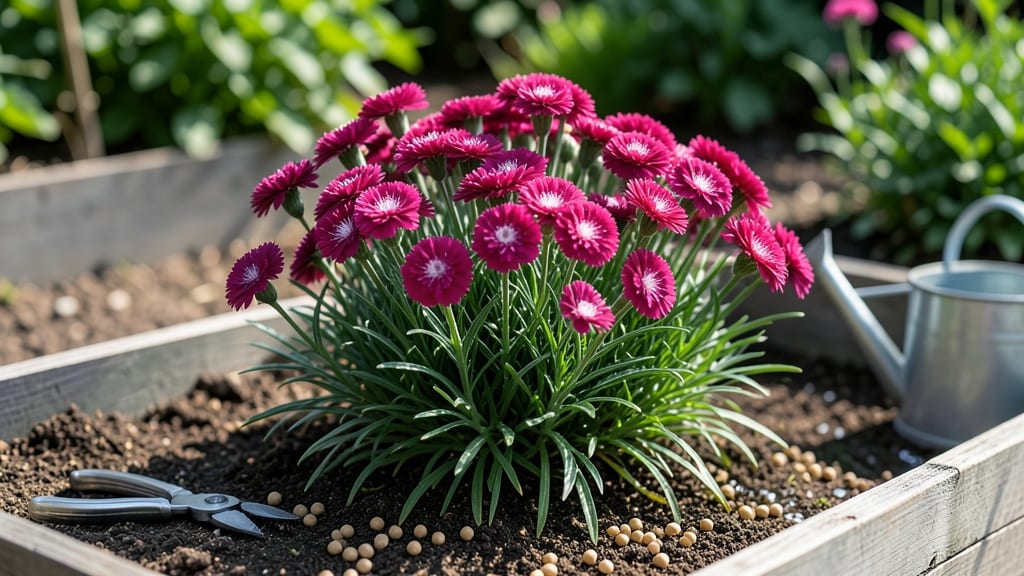
How to get your dianthus to bloom more—it’s all about pruning, feeding, and deadheading at the right times. 🌸 I’ve turned my once-sparse dianthus into a constant burst of color by following these three simple but critical steps that most gardeners overlook. The secret lies in timing: prune right after the first flush of blooms to encourage new growth, feed with a balanced fertilizer every 4-6 weeks, and deadhead spent flowers religiously. My plants now produce nonstop blooms from spring through fall—something I never thought possible with my black thumb. You’ll see the difference within weeks: fuller plants, more branches, and clusters of flowers instead of single stems. The key is consistency—no skipping steps, no waiting too long between tasks. Works for both perennial and annual dianthus, in garden beds or containers. Let’s get those blooms going!
📚 In This Guide
- What you need
- Instructions
- Tips and common mistakes
- Wrapping up and next steps
What you need
- ● Pruning shears or sharp scissors – Clean, sterilized (rubbing alcohol wipe works!). Avoid dull blades to prevent crushing stems.
- ● Well-draining potting mix – 1-2 gallons (for container plants). Look for a blend labeled for perennials or succulents (e.g., 60% peat moss, 30% perlite, 10% compost).
- ● Balanced fertilizer – 10-10-10 or 20-20-20 NPK ratio (½ tsp per gallon of water). Organic options like fish emulsion or compost tea also work!
- ○ Slow-release granules – Optional but helpful: 1 tbsp per plant (e.g., Osmocote or similar). Sprinkle into soil at planting time.
- ● Watering can or hose with a gentle nozzle – Avoid blasting stems to prevent disease.
- ○ Gloves – Nitrile or leather (optional but recommended for prickly varieties like Dianthus barbatus).
- ● Tweezers or small pruners – For pinching spent blooms (great for delicate flowers).
- ● Garden twine or plant ties – 1-2 ft per plant (if stems flop in containers).
- ○ pH testing kit – Optional but useful: Dianthus thrives in soil pH 6.0–7.0. Test before fertilizing.
- ● Sunlight assessment – Confirm your Dianthus gets 6+ hours of direct sun daily (partial shade may reduce blooms).
- ● Watering schedule – Check soil moisture before watering; Dianthus hates soggy roots.
- ● Patience – 1–2 weeks for pruning cuts to heal; blooms may take 4–6 weeks to rebound after heavy deadheading.
Step-by-Step guide to encourage dianthus to bloom more
Here’s how to transform your dianthus from a few scattered blooms to a continuous, vibrant display.
✂️ Step 1: Prune for Airflow and Shape
Start by giving your dianthus a light haircut to encourage new growth and better airflow. Use clean, sharp pruners to trim back any leggy stems or overcrowded foliage. Focus on cutting just above a set of leaves or a healthy bud—this is where new shoots will emerge. I like to shape the plant into a rounded form, which helps sunlight reach the center where blooms often form.
Don’t cut more than one-third of the plant at once—this can stress the dianthus and reduce blooming. If your plant looks woody or overgrown, spread the pruning over two sessions, waiting 2-3 weeks between cuts. You’ll notice fresh, vibrant growth within 7-10 days if the plant is healthy.
💧 Step 2: Water Deeply and Consistently
Dianthus thrives with deep but infrequent watering—this encourages strong root growth, which leads to more blooms. Water the plant until water drains out the bottom of the pot or soil, then wait until the top inch feels dry before watering again. Overwatering causes root rot, while underwatering stresses the plant and reduces flowering.
I water mine in the early morning to let excess moisture evaporate during the day. If your dianthus is in a container, ensure it has drainage holes—stagnant water is a surefire way to kill blooms. You’ll see healthier foliage and more buds forming when the roots are happy and well-hydrated.
☀️ Step 3: Feed with Balanced Fertilizer
Dianthus responds beautifully to a balanced, water-soluble fertilizer (like 10-10-10) applied every 2-3 weeks during the growing season. Mix the fertilizer at half the recommended strength—too much can burn the roots and reduce blooming. I fertilize right after watering to prevent salt buildup in the soil.
For the biggest bloom boost, switch to a low-phosphorus, high-potassium fertilizer (like 5-10-10) once buds start forming. This encourages more flowers instead of just foliage. Stop fertilizing in late summer to let the plant prepare for dormancy, which helps it bloom even harder next season.
✂️ Step 4: Deadhead Regularly for Nonstop Blooms
Deadheading is the secret to keeping dianthus in bloom all season. As soon as a flower fades, pinch or snip it off just above the next set of leaves. This prevents the plant from wasting energy on seed production and redirects it to new buds. I deadhead mine every 2-3 days during peak bloom time—it takes just a few minutes but makes a huge difference.
Use your fingers or small pruners for this task. Avoid pulling stems—this can damage the plant. You’ll notice fresh buds forming within 5-7 days of consistent deadheading. If you miss a few flowers, don’t worry—just keep up with it moving forward.
🌱 Step 5: Provide the Right Growing Conditions
Dianthus loves full sun (at least 6-8 hours daily) and well-draining soil. If your plant isn’t blooming well, check its location—shady spots lead to leggy growth and fewer flowers. I plant mine in south-facing beds where they get plenty of afternoon sun without wilting.
If you’re growing dianthus in containers, choose pots with good drainage and use a light, sandy soil mix. Mulch around the base with 1-2 inches of gravel or coarse sand to keep moisture from pooling. You’ll see a noticeable difference in bloom quantity within 2-3 weeks of adjusting these conditions.
Tips & tricks for perfect dianthus blooms
Here's the thing about dianthus—small adjustments make all the difference between a few scattered blooms and a garden bursting with color.
Pruning Precision: When you're shaping your dianthus in Step 1, focus on creating a rounded form that lets sunlight reach the center where buds form. I always make my cuts just above a leaf node or healthy bud—this is where new growth emerges most vigorously. The key is patience: if your plant looks woody, split the pruning into two sessions with a 2-3 week gap. You'll see fresh growth in just 7-10 days if you're gentle with it.
Watering Wisdom: In Step 2, the "deep but infrequent" watering is crucial. I've learned this the hard way—overwatering leads to root rot, while underwatering stresses the plant. Here's my trick: stick your finger about an inch into the soil. If it feels dry, that's your cue to water thoroughly until it drains from the bottom. Morning watering is best because it gives excess moisture time to evaporate during the day.
Fertilizer Timing: The switch to low-phosphorus, high-potassium fertilizer in Step 3 during bud formation is where the magic happens. I always dilute it to half strength to avoid burning roots. And here's a pro move: fertilize right after watering to prevent salt buildup. Stop feeding by late summer to let the plant prepare for dormancy—this actually helps next year's blooms come even stronger.
Deadheading Discipline: For continuous blooms in Step 4, consistency is everything. I set a reminder on my phone to check my dianthus every 2-3 days during peak bloom. Use your fingers or small pruners to snip just above the next set of leaves—this redirects energy to new buds. You'll notice fresh buds forming within 5-7 days of consistent deadheading. It's amazing how quickly the plant responds when you give it this simple direction.
Pro Tips for Get Dianthus To Bloom More
- Here's the thing about dianthus—small adjustments make all the difference between a few scattered blooms and a garden bursting with color.
- Pruning Precision: When you're shaping your dianthus in Step 1, focus on creating a rounded form that lets sunlight reach the center where buds form.
- Watering Wisdom: In Step 2, the "deep but infrequent" watering is crucial.
Frequently asked questions
Got questions about coaxing more blooms from your dianthus? You’re not alone! Here are answers to the most common queries—so you can enjoy that nonstop color you’re dreaming of.
Why isn’t my dianthus blooming even after deadheading?
If your dianthus is still shy about blooming, check its light and nutrients. These plants thrive in full sun (6+ hours/day) and need well-draining soil. Overcrowding or old wood (from years of growth) can also stunt blooms—try pruning back leggy stems to encourage new growth. A balanced 10-10-10 fertilizer in spring can help too!
When is the best time to fertilize dianthus for more blooms?
Feed your dianthus twice a year: once in early spring (as new growth starts) and again after the first flush of blooms (late spring/early summer). Avoid fertilizing in fall or winter—this can promote tender growth that won’t survive cold snaps. Use a low-phosphorus fertilizer (like 5-10-5) to avoid leafy growth over flowers.
Can I grow dianthus in containers, and will it bloom as much?
Dianthus loves containers as long as the pot has drainage holes and you use a fast-draining potting mix. Container-grown dianthus may bloom slightly less than in-ground plants, but deadheading and regular feeding will keep flowers coming. Choose compact varieties like ‘Firewitch’ or ‘Matrona’ for smaller pots—they’re bred for abundant blooms!
How much should I prune my dianthus to encourage blooming?
Prune lightly but often! After each bloom cycle, snip spent flowers just above a set of healthy leaves (deadheading). For spring pruning, cut back 1/3 of the oldest stems to rejuvenate the plant. Avoid heavy pruning in fall—this can reduce next year’s blooms. Never prune into bare wood, as dianthus blooms on new growth.
Will dianthus bloom in partial shade, or do I need full sun?
While dianthus prefers full sun for the most blooms, it can tolerate partial shade (4–6 hours of sun/day), especially in hot climates. In shadier spots, blooms may be smaller and less frequent. If your dianthus is in shade, try moving it to a sunnier location or choose shade-tolerant varieties like ‘Sweetheart Pink’ for better results.
Pro Tip: Stress = fewer blooms
Dianthus is drought-tolerant but blooms best with consistent moisture (not soggy soil!). Let the top inch of soil dry out between waterings, and avoid overhead watering to prevent fungal issues. Mulch lightly in spring to retain moisture without smothering the plant—this keeps roots happy and blooms plentiful!
Wrapping up and next steps
With the right care, your dianthus can burst into vibrant, nonstop blooms that brighten your garden all season! 🌸 Focus on pruning, deadheading, and feeding—plus a little TLC like well-draining soil and proper sunlight—to unlock their full potential.
Remember, patience and consistency are key, but the rewards are worth every effort.
Ready to transform your garden? Start by applying one tip today—whether it’s snipping spent blooms or amending your soil—and watch your dianthus thrive! 🌱