
Blooming
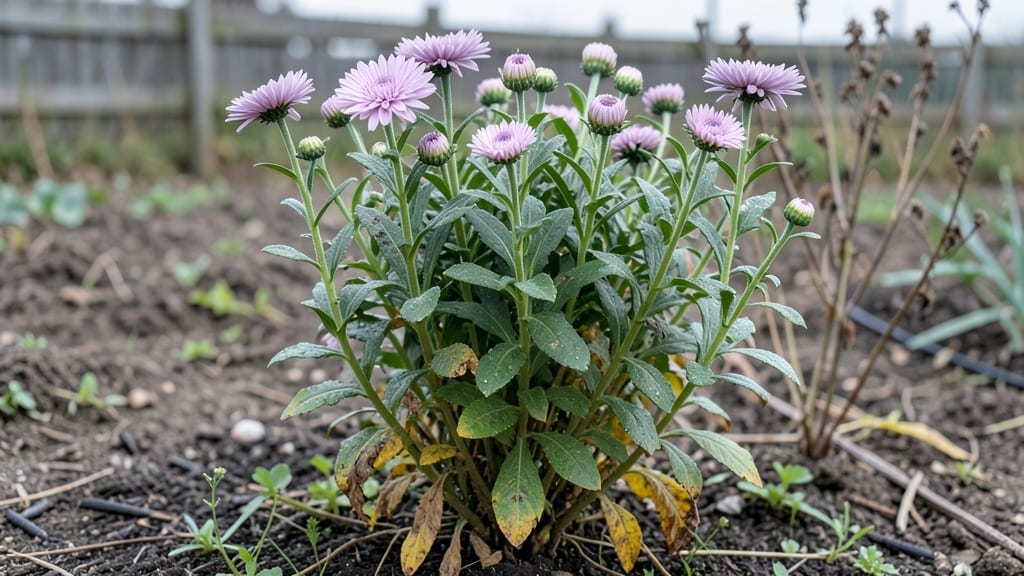
Mums bloom once annually in late summer to fall, typically from August through October, with some varieties reblooming if deadheaded and given proper care. Cold-hardy types may produce a second flush in spring under ideal conditions.
Most chrysanthemums follow nature’s seasonal cues, with their late-summer to fall display triggered by shortening daylight hours—a process called photoperiodism. 🌿 However, some reblooming varieties (like 'Jolinda' or 'Dynasity') can produce a second flush if you remove spent blooms promptly and feed them with balanced fertilizer every 4-6 weeks.
The key difference? Rebloomers need consistent care to override their natural one-time bloom cycle.
💡 In This Article
- Mums Bloom Cycle: Seasonal Triggers and Variety Differences
- Extending Mum Blooms: Pruning, Fertilizing, and Winter Care
Mums bloom cycle: seasonal triggers and variety differences
Here's what's actually happening inside your mums: their bloom cycles are controlled by photoperiodism, where plants respond to daylight length. When days shorten below 12-14 hours of sunlight (typically in late summer), mums receive a hormonal signal to bloom.
This explains why their peak occurs between August and October—when daylight naturally decreases. The plant hormone florigen triggers flower bud formation in response to these shorter days, a process called short-day photoperiodism. 🌅
Temperature plays a crucial supporting role. Most chrysanthemum varieties need daytime temperatures between 65-75°F and cooler nights (55-60°F) to initiate blooming. This is why garden mums planted in USDA Zones 5-9 thrive—they experience these natural temperature shifts.
Florist mums, however, are often bred for longer vase life rather than seasonal adaptation, which is why they may bloom slightly later or require artificial light manipulation in commercial greenhouses.
What most people don't realize is that mum varieties fall into three distinct bloom categories: one-time bloomers, rebloomers, and spring bloomers.
Standard garden mums (like 'Bright Lights' or 'Mammoth') follow the natural one-time bloom cycle, while reblooming cultivars (such as 'Dynasity' or 'Jolinda') can produce two flushes per year if you deadhead promptly and provide consistent fertilizer (10-10-10 ratio every 4-6 weeks).
Spring bloomers, like 'Spring Snow', are cold-hardy perennials that may produce a second flush in late spring if they survive winter dormancy.
The science behind reblooming involves bud initiation and flower development phases. After the first bloom, rebloomers need 30-45 days of recovery to regenerate energy stores. During this time, they require adequate water (1-1.5 inches per week) and phosphorus-rich fertilizer to support new flower buds.
The trade-off? Reblooming varieties typically produce smaller, less vibrant blooms in their second flush compared to their initial display. 🌼
Consider these key factors when choosing mum varieties for your garden:
- Climate zone: Northern growers (Zones 3-5) should select cold-hardy perennials like 'Autumn Joy' for reliable spring reblooming
- Bloom duration: Rebloomers extend your display by 4-6 weeks but require more maintenance than one-time bloomers
- Color retention: Darker varieties (purples, reds) maintain vibrancy longer in cooler fall temperatures than pastel shades
Here's a practical tip: If you want year-round color, plant both perennial garden mums and annual florist varieties together. While perennials provide structural interest and potential spring reblooming, annuals offer bigger, showier blooms that can fill gaps when perennials finish their first cycle.
The combination creates a continuous bloom sequence from early summer through late fall. 💫
The most important takeaway is understanding your specific mum's needs: standard varieties follow nature's seasonal cues precisely, while rebloomers need your active intervention. By matching variety to climate and care level, you can extend your mum's display by up to 8-10 weeks beyond the natural one-time bloom cycle.
This knowledge transforms mums from seasonal splashes of color into year-round garden stars with minimal extra effort.