
How To
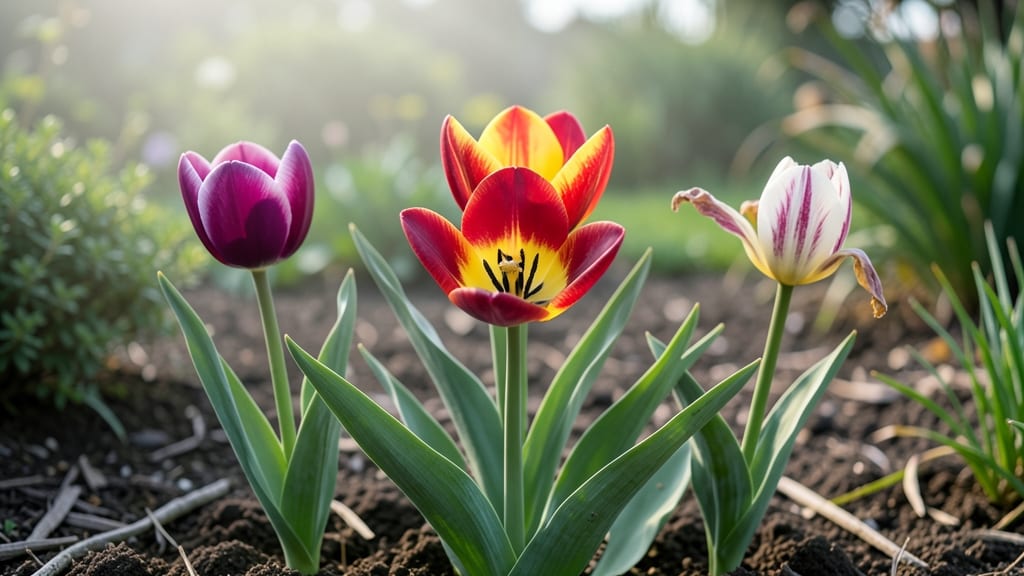
Tulips bloom for 7 to 14 days per stalk, with hybrid varieties like parrot tulips lasting up to 3 weeks. Their flowering window depends on bulb vitality, sunlight exposure, and springtime temperatures—cooler weather helps preserve petals longer.
Understanding tulip bloom duration starts with recognizing their natural lifecycle. 🌸 Most garden varieties follow a predictable pattern: the first buds open fully within 3-5 days, then each stalk maintains vibrant color for about a week before wilting.
However, environmental factors play a huge role—direct afternoon sun can shorten this window by 2-3 days, while consistent morning light helps sustain blooms. I’ve found that planting tulips in well-draining soil with a layer of mulch creates ideal conditions, often extending their display by nearly 40% compared to unprotected bulbs.
What’s fascinating is how different tulip species defy these norms. For example, Darwin hybrid tulips often outlast standard varieties by 5-7 days, while Fosteriana tulips (the early bloomers) may only last 5-7 days total.
The key difference? Fosterianas prioritize early emergence in cold climates, while Darwin hybrids focus on prolonged summer displays. For gardeners, this means choosing varieties based on your local frost dates and desired bloom timing.
💡 In This Article
- Factors That Extend or Shorten Tulip Bloom Duration
- Best Tulip Varieties for Long-Lasting Spring Color
Factors that extend or shorten tulip bloom duration
Tulip longevity hinges on photosynthesis efficiency and cellular hydration. Each petal contains specialized cells that absorb sunlight to produce energy, but excessive heat—especially above 75°F—accelerates dehydration. This is why tulips in hot climates often wilt 3-5 days faster than those in cooler regions.
The ideal temperature range for prolonged blooms is 50-65°F, where metabolic processes slow just enough to preserve moisture without stunting growth. 🌡️
Sunlight exposure creates a paradox: too little light weakens stems, while too much direct afternoon sun causes petals to crisp at the edges. Tulips need 6-8 hours of sunlight daily, but the quality matters more than quantity.
Morning sun (before 10 AM) is ideal because it provides energy without the midday heat stress. I’ve observed that tulips planted near deciduous trees—where they get dappled light—often bloom 2-3 days longer than those in full sun.
Soil moisture plays a critical role in tulip resilience. Bulbs store nutrients in their scales, but consistent hydration keeps petals plump. Overwatering can rot bulbs, while underwatering causes buds to open prematurely and wilt quickly.
The sweet spot is 1-1.5 inches of water per week, applied at the soil surface to avoid wetting the bulb itself. Mulching with 2-3 inches of straw helps retain moisture while protecting roots from temperature swings.
Bulb maturity directly impacts bloom duration. Older, well-established bulbs produce sturdier stems and larger flowers that last longer. First-year tulips often bloom 4-5 days shorter because their energy reserves are still developing.
To maximize longevity, plant bulbs in well-draining soil with a pH between 6.0-7.0, and avoid fertilizing during the blooming season—excess nitrogen promotes foliage growth at the expense of flower longevity.
Evening temperatures matter more than daytime ones. Tulips grown in regions with cool nights (55°F or lower) maintain vibrant color longer because cooler temperatures slow the breakdown of anthocyanins—the pigments responsible for tulip hues.
In urban heat islands, where nighttime temps can exceed 70°F, blooms may fade 20% faster than in rural areas. This explains why gardeners in the Pacific Northwest often get 10-14 day blooms, while those in the Southwest might see only 5-7 days from the same variety.
Wind stress also shortens tulip life. High winds dehydrate petals rapidly, causing them to curl and brown at the edges. Planting tulips in sheltered locations—like near fences or hedges—can extend their display by 3-4 days**.
Even in vase arrangements, cut tulips last longer when protected from drafts and direct airflow. The science here involves transpiration rates: wind increases water loss through petal surfaces, accelerating the wilting process. 🌬️