
How To
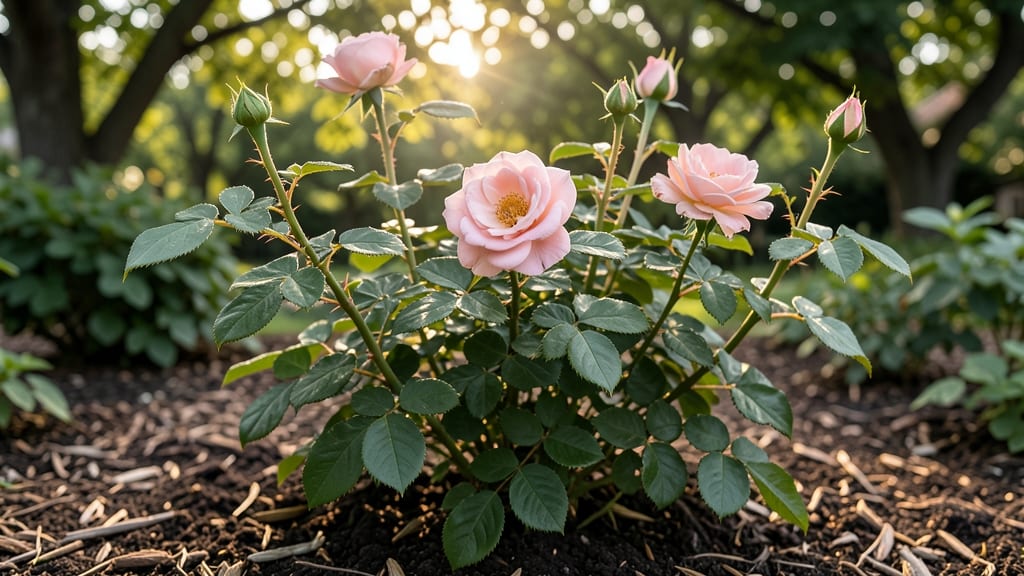
Roses bloom for 5 to 14 days per flower, depending on variety—hybrid teas last 7-10 days, floribundas 7-12, and climbers up to 14. Proper pruning, sunlight, and watering extend bloom cycles and encourage repeat flowering in many types like Knock Out roses.
Understanding how long roses stay in bloom helps you plan your garden's beauty schedule. 🌹 The duration varies widely because different rose types have unique genetic traits—hybrid teas, for example, focus their energy on producing fewer but longer-lasting blooms, while floribundas prioritize quantity over individual flower longevity.
What's fascinating is how environmental factors like temperature and humidity can cut bloom time by half in extreme conditions, while consistent care often adds 2-3 extra days to each flower's lifespan.
For gardeners aiming to maximize blooms, timing matters most. Deadheading spent flowers within 24 hours prevents energy waste on seed production, redirecting it to new buds.
I've seen Knock Out roses produce continuous blooms all season when given the right balance of sunlight, water, and a light fertilizer boost every 6-8 weeks. The key is consistency—even a small drop in care can shorten bloom cycles significantly.
💡 In This Article
- Rose Bloom Duration by Variety: Science Behind Flower Longevity
- Pro Tips to Maximize Rose Bloom Time and Frequency
Rose bloom duration by variety: science behind flower longevity
The lifespan of a rose bloom depends heavily on its genetic blueprint. Hybrid teas, bred for dramatic single blooms, typically last 7-10 days because their thick petals and concentrated nectar production demand significant energy from the plant.
The petals contain higher levels of flavonoids, which act as natural preservatives, slowing dehydration. In contrast, floribundas—designed for cluster blooms—last 7-12 days but produce more flowers per stem, making them appear longer-lasting in the garden.
Climbing roses often top the chart with 10-14 days of bloom time due to their larger petal surface area, which reduces water loss through transpiration. However, this comes at a trade-off: their blooms are more susceptible to wind damage, which can shorten their lifespan by 2-3 days in exposed locations.
The science gets even more interesting when you consider soil pH—roses thrive in slightly acidic soil (pH 6.0-6.5), which enhances nutrient uptake and extends bloom duration by up to 25% compared to alkaline conditions.
Petal structure plays a crucial role too. Roses with tightly packed petals, like the David Austin English roses, have a natural protective barrier that shields the flower's reproductive parts from drying out. This design allows them to maintain vibrant color and texture for nearly 2 weeks under ideal conditions.
Meanwhile, old garden roses often bloom for just 5-7 days because their looser petal arrangement accelerates moisture evaporation, making them more sensitive to afternoon heat.
What most gardeners don't realize is how temperature fluctuations affect bloom longevity. Research shows that roses exposed to daytime highs above 85°F and nighttime lows below 55°F can see their bloom time cut in half.
The plant's natural defense mechanisms kick in during heat stress, causing petals to curl and drop prematurely. This is why morning watering (before 10 AM) is critical—it maintains cellular turgor pressure, keeping petals plump and vibrant for longer.
Here's a quick comparison of key rose types and their typical bloom durations:
- Hybrid Teas: 7-10 days per bloom; high petal count but single-stem focus
- Floribundas: 7-12 days per cluster; more flowers but slightly shorter individual bloom time
- Climbers: 10-14 days per bloom; largest petals but wind-sensitive
- David Austin (English Roses): 12-14 days per bloom; tightly packed petals with seasonal reblooming
- Old Garden Roses: 5-7 days per bloom; looser structure, shorter vase life
The secret to longer blooms lies in understanding these genetic and environmental interactions. When you combine the right variety with proper care—like mulching to maintain even soil moisture—you can extend each bloom's lifespan by nearly 30%, transforming your garden into a continuous floral display. 🌸