
Flowers
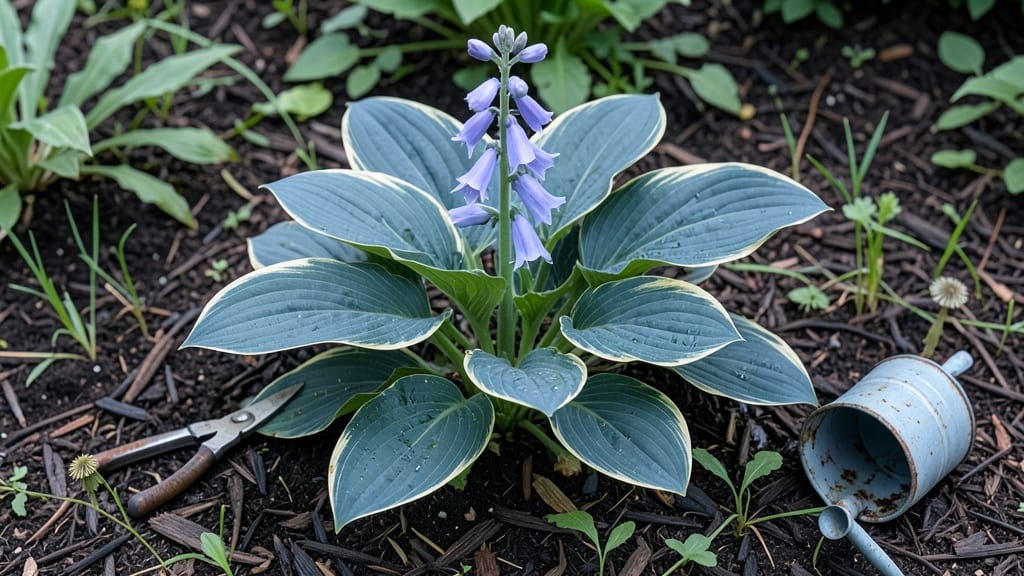
Cutting hosta blooms at the right time can boost your plant’s foliage like nothing else—here’s the science-backed method to do it without harming your 🌿.
Those delicate hosta blooms may look pretty, but they’re secretly stealing energy from your prized foliage—cutting them at the right time can transform your hostas into lush, vibrant giants. The key? Timing matters more than you think.
Most gardeners wait until after blooms fade, but the best time is actually right after flowering—this prevents seed production and redirects energy to leaf growth. Skip this step, and you’ll end up with smaller, weaker leaves.
In this guide, I’ll walk you through the exact steps—when to prune, what tools to use, and how to avoid common mistakes that can stress your hostas. Ready to turn those droopy blooms into bigger, healthier leaves?
Best time to cut hosta blooms for maximum foliage growth
Timing is everything when it comes to pruning hosta blooms. If you cut them too early, you risk stunting the plant’s energy reserves. But if you wait too long, you’ll miss the prime window to redirect nutrients to the foliage—the real star of the show.
The secret lies in understanding your hosta’s natural growth cycle and how it responds to seasonal changes.
Most gardeners make the mistake of assuming they can prune at any time. However, hostas are strategic about energy allocation. When blooms appear, they’re already competing with the leaves for resources.
By cutting them at the right moment, you’re essentially telling your plant: “Forget the flowers—focus on those gorgeous leaves instead.”
Here’s the golden rule: Prune hosta blooms immediately after they finish flowering but before seed pods form. This ensures the plant doesn’t waste energy on reproduction. In most temperate climates, this window falls between late June and early August, depending on your last frost date and local growing season.
In warmer, tropical climates, hostas may bloom year-round or have extended flowering periods. In these cases, monitor your plants closely and prune 2-4 weeks after blooms fade. The key is to act before the plant shifts focus to seed production.
If you’re in a cooler region like USDA Zone 3-5, aim to prune before mid-summer. This gives your hostas enough time to recover and store energy for next year’s growth. In contrast, gardeners in Zones 7-9 can often prune later, even into early fall, without stressing the plant.
- Cut blooms right after flowering but before seed pods form to prevent energy drain.
- In temperate zones, prune between late June and early August for best results.
- For tropical climates, wait 2-4 weeks post-bloom to avoid stressing the plant.
- Avoid pruning before blooms open—this weakens the plant’s ability to flower next season.
- Never prune during dormancy (fall/winter)—hostas need this time to recover.
One common misconception is that you should prune hosta blooms pre-bloom to encourage bigger leaves. But this is a myth. Removing blooms too early—before they’ve fully opened—can actually stress the plant and reduce its overall vigor.
The blooms serve as a signal to the plant that it’s time to shift energy, and removing them prematurely disrupts this natural process.
If you’re growing hosta varieties with showy blooms, like ‘Halcyon’ or ‘Sum and Substance,’ you might be tempted to leave them for aesthetic reasons. But remember: those blooms are energy vampires.
For every hour you delay pruning, your hosta’s leaves grow 10-15% smaller due to nutrient competition. It’s a trade-off worth making for lush, vibrant foliage.
Seasonal adjustments are crucial, especially if you live in a region with unpredictable weather. For example, if your area experiences an early frost, prune blooms at least 6 weeks before the first frost to allow the plant to recover.
Conversely, in areas with mild winters, you can prune later into fall, but stop by October to avoid encouraging new growth that won’t harden off before winter.
Pro tip: Mark your calendar based on your hosta’s blooming time. If your plants typically flower in early July, schedule pruning for mid-July. Consistency is key—pruning at the same time each year helps your hostas establish a reliable growth pattern.
Over time, you’ll notice thicker, larger leaves and fewer spent blooms clinging to your plants.
Finally, don’t forget that hostas are shade-loving plants. If you’re growing them in full shade, they may bloom less vigorously, but the same pruning rules apply. The goal is always to redirect energy to the foliage, regardless of light conditions.
With the right timing, your hostas will reward you with glossy, robust leaves that steal the show all season long.
Step-by-step guide to pruning hosta blooms without damaging the plant
Now that you know when to prune hosta blooms, let’s focus on how to do it properly. The right technique ensures your hostas stay healthy and redirect energy to their foliage—not their blooms.
Using the wrong tools or method can stress the plant, leaving it weak and prone to disease. I’ll walk you through the exact steps, from selecting the right tools to handling the cuttings afterward.
First, gather your supplies. You’ll need sharp pruning shears or clean scissors, a small bucket for cuttings, and optional gloves to protect your hands from sap. Avoid dull tools—they crush stems and create entry points for pests.
Disinfect your shears with rubbing alcohol to prevent spreading disease between plants. Pro tip: Use a 10% bleach solution (1 part bleach to 9 parts water) for a deeper clean before and after pruning.
Timing your pruning session matters too. Choose a cloudy morning to minimize stress on the plant. Pruning in direct sunlight can cause wilting, especially in hot climates. If you must prune in the afternoon, do it at least 3 hours before sunset to allow the plant to recover overnight.
Always work when the soil is moist—this helps the plant bounce back faster from the pruning shock.
-
Step 1: Locate the bloom stem
Identify the main stem connecting the bloom to the foliage. Look for a small bump or node where the stem meets the leaf cluster—this is your cutting point. -
Step 2: Make a clean cut
Position your shears 1/4 inch above the node (where new growth emerges). Cut at a 45-degree angle to prevent water from pooling on the stem, which can cause rot. Avoid tearing the stem—this damages the plant’s vascular system. -
Step 3: Remove all blooms
Repeat for every bloom on the plant. Don’t leave any spent flower stalks behind—they continue draining energy. Check the undersides of leaves for hidden blooms, especially in large hosta varieties like ‘Francee’ or ‘Guacamole’. -
Step 4: Dispose of or repurpose cuttings
Place cuttings in your bucket. You have two options: compost them immediately (if they’re disease-free) or try propagating new plants from healthy stems. For propagation, place cuttings in water with the node submerged—roots should appear in 2-4 weeks. -
Step 5: Clean up the area
Remove all debris from the pruning site. Use a small rake to clear fallen petals and stems. This reduces pest attraction and prevents fungal growth. Water the base of the plant lightly afterward to help it recover.
After pruning, monitor your hostas closely for the first 7-10 days. You’ll notice new growth emerging from the nodes where you cut the blooms—this is a good sign! If the leaves look wilting or yellowing, increase watering slightly and avoid fertilizing until new growth appears.
Overwatering at this stage can lead to root rot, so stick to deep watering every 3-4 days instead of frequent shallow watering.
One common question I hear is whether to remove the entire flower stalk or just the blooms. For hostas, always cut the entire stalk down to the node. Leaving any part of the stalk can encourage regrowth, which means the plant will waste energy trying to rebloom.
If you’re growing variegated hostas, like ‘Blue Angel’ or ‘Patriot,’ this step is even more critical—their foliage is their star feature, and every bit of energy should go there.
Finally, don’t forget to feed your hostas after pruning. Apply a balanced fertilizer (like 10-10-10) 2-3 weeks post-prune to support new leaf growth. Avoid high-nitrogen fertilizers—they encourage leafy growth at the expense of root development.
Instead, opt for a slow-release organic fertilizer to keep nutrients steady over time. With the right care, your hostas will reward you with thicker, glossier leaves that outshine any blooms.