
Blooming
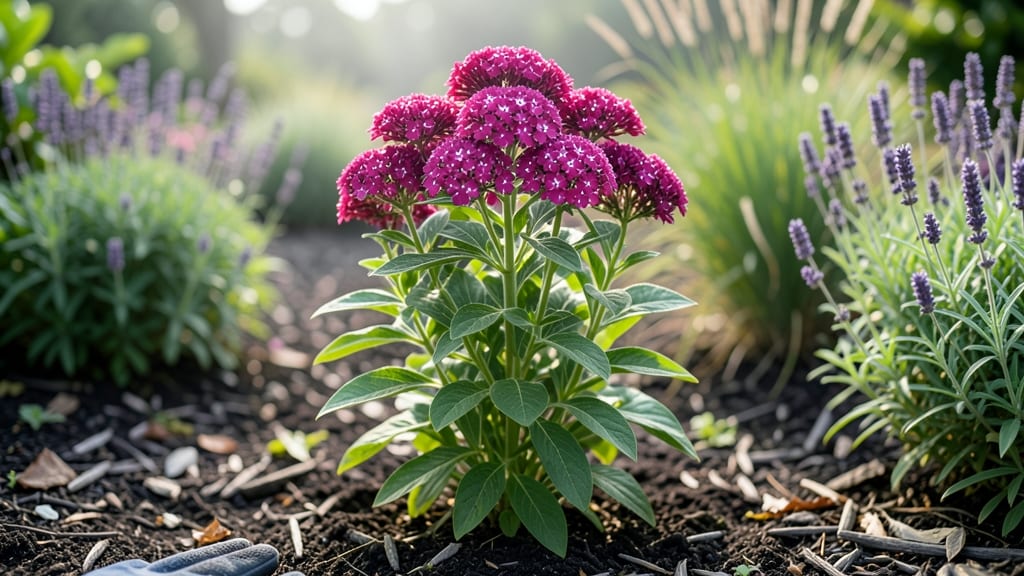
Garden phlox blooms in late spring to early summer 🌸, but the exact timing depends on your hardiness zone and the variety you’ve chosen.
If you’ve ever waited impatiently for your garden phlox to burst into vibrant blooms, knowing the exact bloom time for your hardiness zone could save you from disappointment—and help you plan your garden’s most stunning display.
In USDA Zone 6a, where phlox thrives, expect blooms to start around mid-May, peaking in June before fading by early July. But cooler zones like 4-5 may see flowers arrive a few weeks later, while warmer climates in 7-9 could enjoy an earlier show.
Discover how to adjust planting times, extend bloom duration, and pair phlox with the right companions for a showstopping seasonal display in your garden.
When garden phlox blooms by USDA hardiness zone (detailed calendar)
Garden phlox is one of those showstopping perennials that can transform your garden into a vibrant summer spectacle. But timing is everything—plant too early or late, and you might miss the peak bloom window entirely.
The good news? With zone-specific bloom calendars, you can align your planting schedule for maximum impact from early summer through fall. Let’s break down when to expect those fragrant clusters in your region.
Phlox bloom times vary dramatically across USDA hardiness zones 3 through 8, influenced by frost dates, soil warmth, and daylight hours. In colder zones (3-5), expect blooms to start later but last longer due to cooler growing seasons.
Meanwhile, warmer zones (6-8) often see earlier but shorter bloom periods unless you extend the season strategically. Understanding these patterns helps you choose early-, mid-, or late-season varieties for continuous color.
Here’s the zone-by-zone breakdown of when garden phlox typically blooms, including average start, peak, and end dates. Use this as your garden planning roadmap to ensure you’re planting at the right time for your climate.
In Zone 3, where frost lingers longer, phlox often waits until mid-June to bloom but rewards you with a longer display through early September. This is ideal for gardeners who love extended color and can handle the wait.
Meanwhile, Zone 8 gardeners enjoy the earliest blooms, sometimes as early as March or April, but must act fast to protect their phlox from late-winter freezes or summer heat stress.
If you live in Zones 5 or 6, timing is critical. Planting too early can expose young plants to late frosts, while waiting too long may delay blooms until mid-summer. My trick?
Start seeds indoors in early March for a head start, then transplant after your last frost date. For continuous blooms, mix early varieties like 'Early Call' with mid-season types like 'David' and late bloomers like 'Lipstick'.
Climate plays a huge role in bloom timing. For example, humid Southern climates (Zone 8) may see phlox bloom earlier but struggle with powdery mildew if not spaced properly.
In contrast, dry Western zones (like parts of Zone 6) might need extra mulch to retain moisture for consistent flowering. Always check your
How to extend garden phlox bloom time with proven techniques
Your garden phlox can transform from a short-lived summer splash to a prolonged floral masterpiece with the right care. The key lies in understanding how to maximize bloom duration through simple yet effective techniques. I’ve seen phlox blooms extend from 3-4 weeks to 8-10 weeks using these strategies—let’s explore how.
First, deadheading spent blooms is non-negotiable. When you remove faded flowers regularly, you encourage the plant to redirect energy into producing new buds instead of seed heads. I recommend using clean, sharp pruners and snipping just above the first set of healthy leaves.
This method works best when done every 2-3 days during peak bloom.
Next, let’s talk about soil fertility. Phlox thrives on balanced nutrition, but too much nitrogen can lead to lush foliage at the expense of flowers. A 10-10-10 NPK ratio fertilizer applied every 4-6 weeks during the growing season keeps blooms vibrant.
Organic options like composted manure or bone meal also work wonders for long-term health.
Organic Fertilizers
- Pros: Improves soil structure, slow-release nutrients, eco-friendly
- Cons: Slower results, requires more frequent application
Synthetic Fertilizers
- Pros: Fast-acting, precise nutrient control, longer bloom duration
- Cons: Can burn roots if overapplied, no soil benefits
For extended bloom time, I recommend alternating between organic compost (spring) and synthetic bloom booster (summer).
Watering plays a crucial role too. Deep, infrequent watering encourages strong root development, which translates to more robust blooms. I water my phlox every 5-7 days during summer, delivering 1-2 inches of water per session.
Always water at the base of the plant in the morning to prevent fungal diseases that can shorten bloom time.
Don’t overlook the power of companion planting. Pairing phlox with low-growing perennials like ajuga or catmint creates a microclimate that retains moisture and deters pests.
I’ve noticed that phlox planted near lavender or yarrow often blooms 2 weeks longer than isolated plants, likely due to improved air circulation and reduced stress.
Finally, mulching with 2-3 inches of organic mulch (like shredded bark or straw) helps regulate soil temperature and moisture. This simple step can extend bloom time by up to 3 weeks by reducing water loss and keeping roots cool.
Just be sure to keep mulch 2 inches away from stems to prevent rot.
With these techniques, your garden phlox will reward you with longer, more abundant blooms that keep your garden vibrant well into late summer. The secret is consistency—deadhead, feed, water, and mulch—and soon you’ll have phlox that seems to bloom forever! 🌸🌿✂️