
Flowers
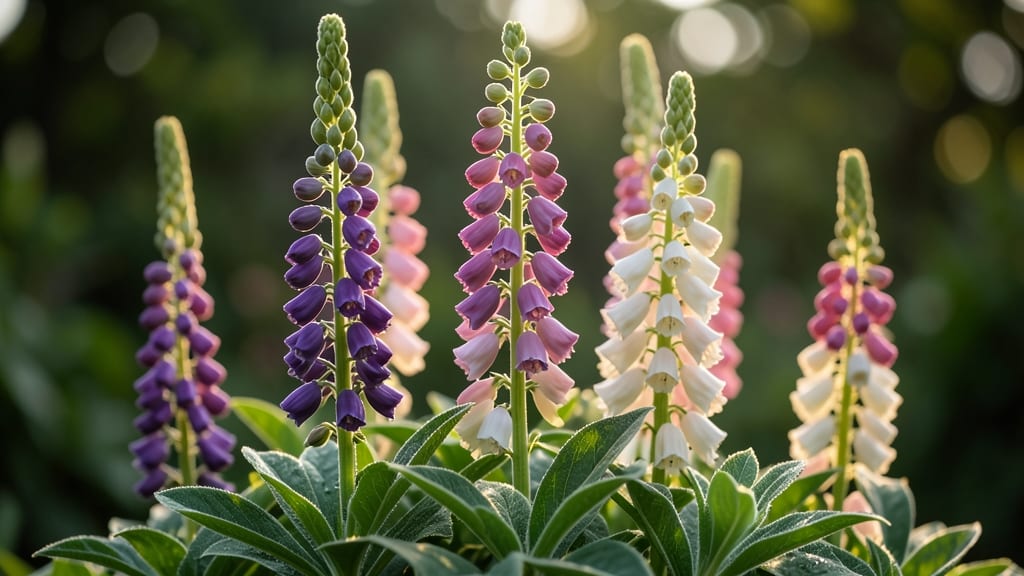
Struggling to keep your shady garden vibrant? These 10 shade-loving flowers thrive where sunlight struggles, delivering stunning blooms and lush foliage year-round—no harsh sun required.
Impatiens for Bright Shade Gardens
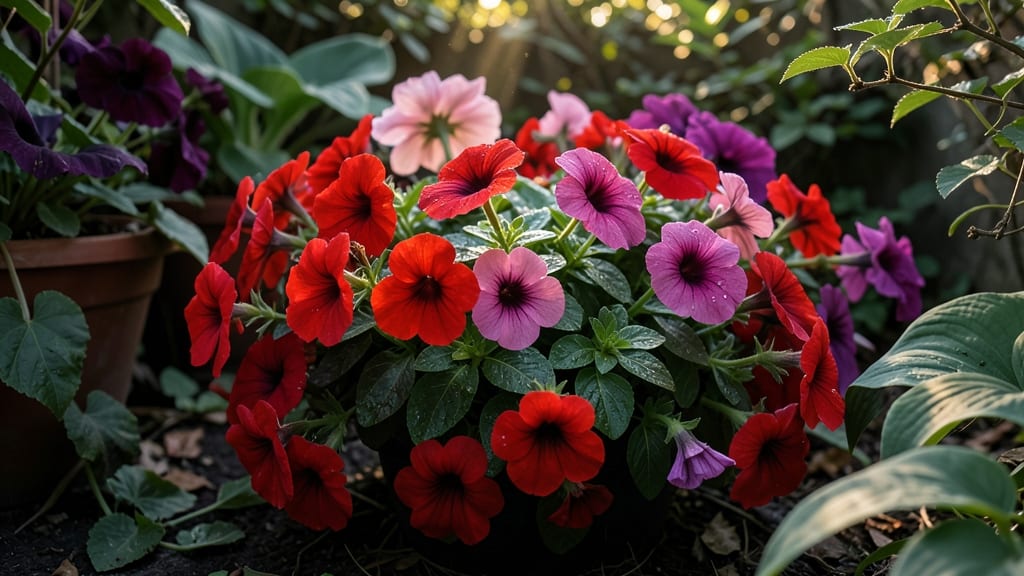
Tired of shady spots that feel like dead zones in your garden? Impatiens turn those dim corners into vibrant displays with their nonstop blooms in fiery reds, soft pinks, and deep purples—all while thriving where most flowers refuse to grow.
These shade-loving superstars love bright shade to partial sun (think dappled light under trees or north-facing windows) and bloom from spring until frost. They’re also beginner-friendly: just keep the soil consistently moist, and they’ll reward you with lush foliage and flowers. Perfect for containers, hanging baskets, or borders, they create instant color with minimal fuss.
Urban gardeners and first-time planters will love how impatiens fill gaps in shady spots—no green thumb required. Just add water and watch the blooms appear! 🌻
Hosta Varieties with Stunning Foliage
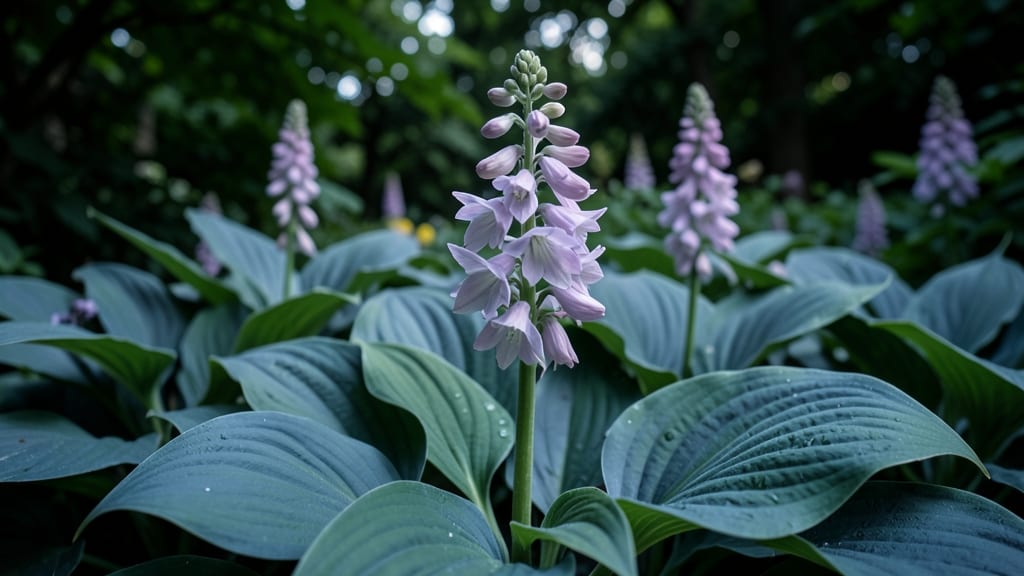
If you thought hostas were all about their stunning foliage, think again! Varieties like 'Blue Angel' and 'Halcyon' surprise with delicate lavender blooms in summer, making them a double-feature plant for deep shade gardens where other flowers struggle.
These shade champions thrive in full to partial shade (even under trees) and come in a rainbow of leaf colors—from deep blue-greens to golden hues. Their textured foliage adds year-round interest, while their summer flowers attract pollinators. For best results, plant in well-draining soil and mulch to retain moisture.
Perfect for gardeners who want low-maintenance plants with season-long appeal, hostas bring drama to shady corners without the fuss. 💚
Bleeding Heart for Woodland Gardens
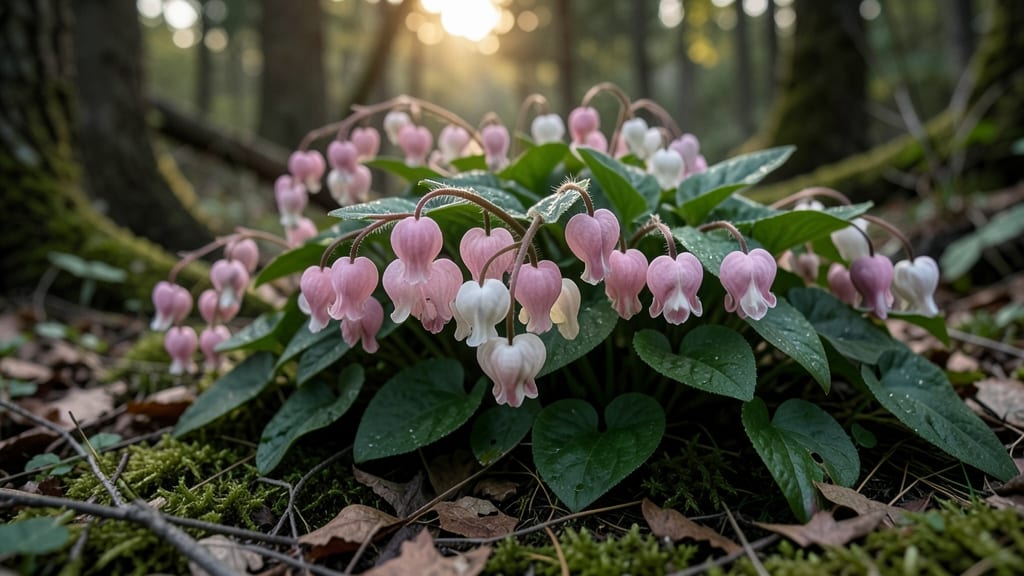
Transform your shady garden into a whimsical woodland retreat with bleeding heart (Dicentra spectabilis), a dreamy perennial with cascading clusters of heart-shaped pink or white flowers that bloom in late spring. This romantic favorite thrives in partial to full shade, making it ideal for planting beneath trees or along woodland edges where filtered light creates a magical dappled effect.
Bleeding heart prefers moist, well-draining soil enriched with organic matter, and its fern-like foliage adds lush texture even after the flowers fade. For a longer display, choose varieties like 'King of Hearts' (deep pink) or 'Alba' (pure white), which bloom prolifically in 4-6 hours of morning sun. Deadhead spent blooms to encourage a second flush in late summer, and divide clumps every 3-4 years to maintain vigor.
Perfect for cottage gardens, shade borders, or as a focal point under mature trees, bleeding heart brings timeless elegance with minimal fuss. Its delicate blooms pair beautifully with ferns, hostas, and hellebores, creating a serene, storybook-like garden corner. 🌷
Japanese Painted Fern for Texture
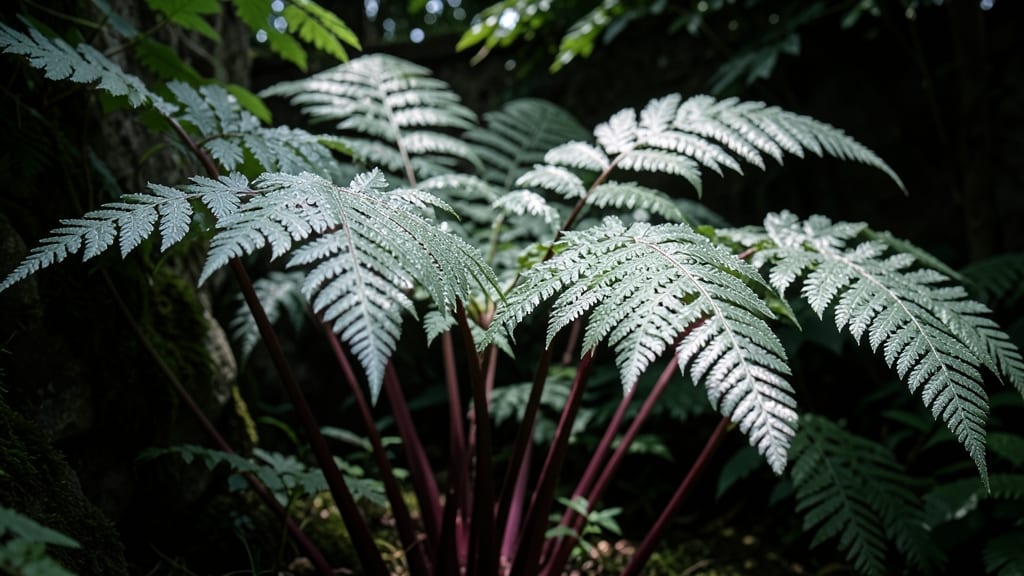
Tired of shade gardens that look flat and lackluster? The Japanese painted fern (Athyrium niponicum var. pictum) transforms dark corners with its silvery-green fronds and striking burgundy stems, creating drama where flowers struggle to thrive.
This evergreen perennial thrives in full to partial shade, making it perfect for under trees or north-facing beds. Its lacy foliage adds movement and contrast, especially when paired with shade-loving bloomers like astilbes or hellebores. Water consistently to keep the soil moist but well-drained—it rewards you with vibrant color even in the gloomiest spots.
Ideal for gardeners who love texture over blooms, this fern is low-maintenance and deer-resistant, making it a must-have for woodland gardens or shady borders. 💚
Hellebores for Early Spring Color
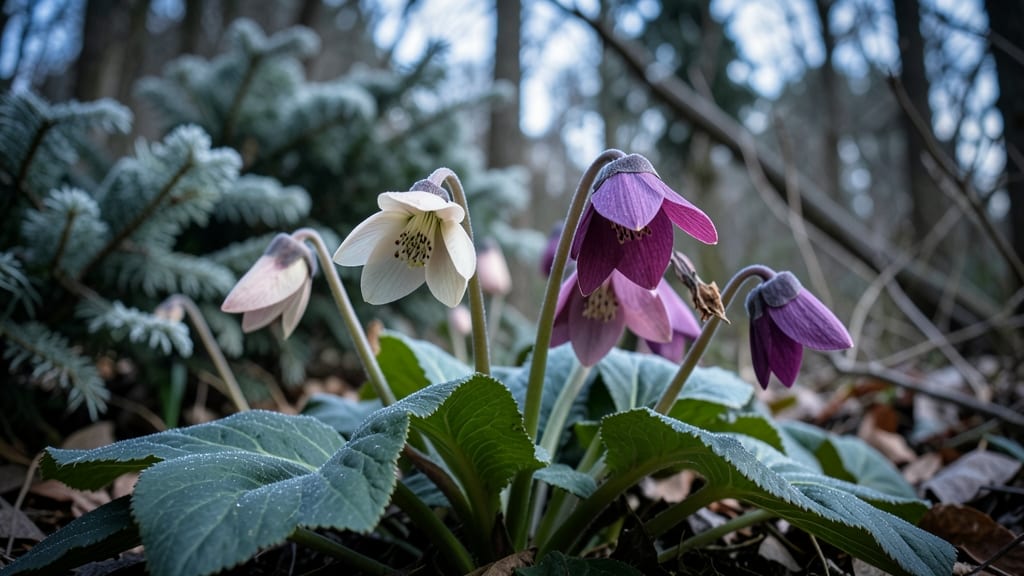
When most gardens are still dormant under winter's chill, hellebores burst into bloom like a secret promise—delicate nodding flowers in white, pink, or deep purple that defy the cold. These Lenten roses thrive in dry shade, where fussy flowers wilt, making them the unsung heroes of late-winter color.
Plant them in well-draining soil under trees or along north-facing walls for year-round interest, as their leathery foliage stays attractive even when not in bloom. Deadhead spent flowers to encourage more blooms, and watch them multiply over time—hellebores spread slowly but reliably. Their drought tolerance means less fuss once established, perfect for gardeners who want beauty without constant care.
Urban gardeners with shady patios or woodland lovers will adore how hellebores brighten dark corners while attracting early pollinators like bees. 🌷
Astilbe for Feathery Shade Blooms
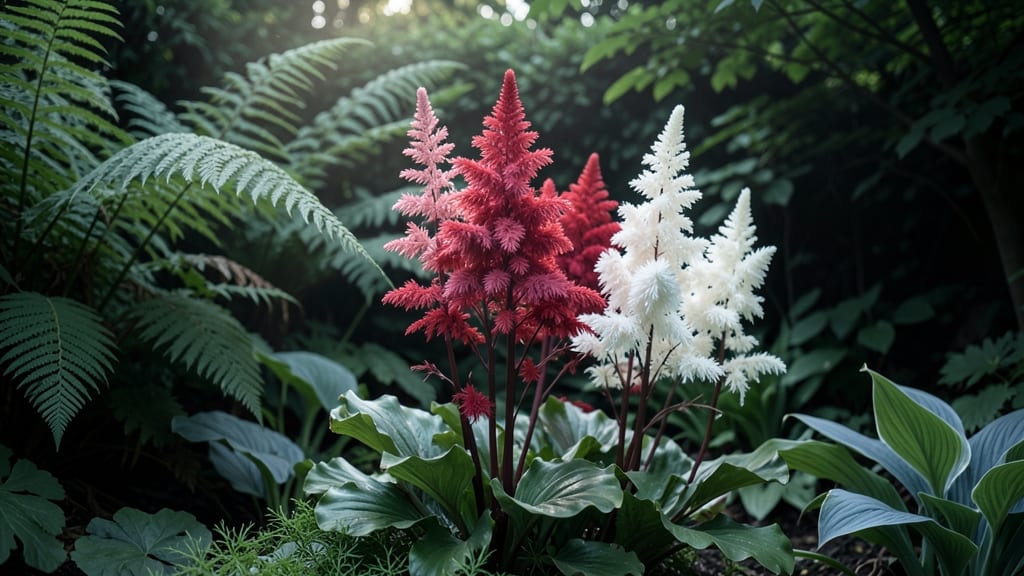
Want to add dramatic vertical interest to your shady garden without sacrificing color? Astilbe delivers feathery plumes in soft pinks, fiery reds, or pure white—perfect for spots where sunlight barely reaches. Unlike many shade plants, astilbe thrives in full shade and even tolerates moist, boggy soil, making it ideal for woodland gardens or under large trees.
These clump-forming perennials bloom in late spring to early summer, with varieties like 'Fanal' (deep red) or 'Bridal Veil' (white) reaching 1-3 feet tall. For best results, keep the soil consistently moist (but not soggy) and fertilize lightly in spring. Deadhead spent blooms to encourage a second flush of flowers, and divide clumps every 3-4 years to maintain vigor.
Urban gardeners and woodland enthusiasts will love astilbe’s ability to fill gaps between taller plants like ferns or hostas, creating a layered, lush look with minimal effort. It’s the secret weapon for adding height and texture where light is limited. 🌻
Lungwort for Medicinal Beauty
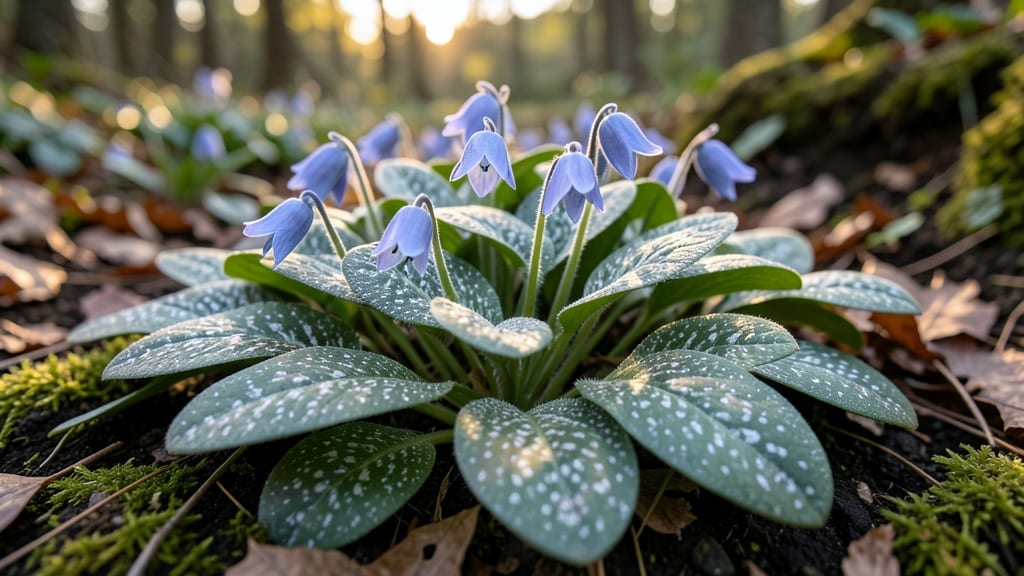
Transform your shady garden into a medicinal treasure trove with lungwort (Pulmonaria), a plant that bridges beauty and history. Its silver-spotted foliage fades to green as spring progresses, while delicate blue or purple flowers emerge—making it a standout in cottage gardens or woodland edges where light is dappled.
Beyond its striking appearance, lungwort has been used for centuries in herbal remedies for respiratory health, earning its common name. Plant it in partial to full shade with moist, well-draining soil, and enjoy its year-round interest—even after blooms fade, the foliage remains attractive. It’s also deer-resistant, a bonus for gardeners in rural areas.
Perfect for beginner gardeners or those craving a plant with dual purpose, lungwort thrives with minimal fuss while adding a touch of old-world charm to any shady spot. 💚
Sweet Woodruff for Ground Cover
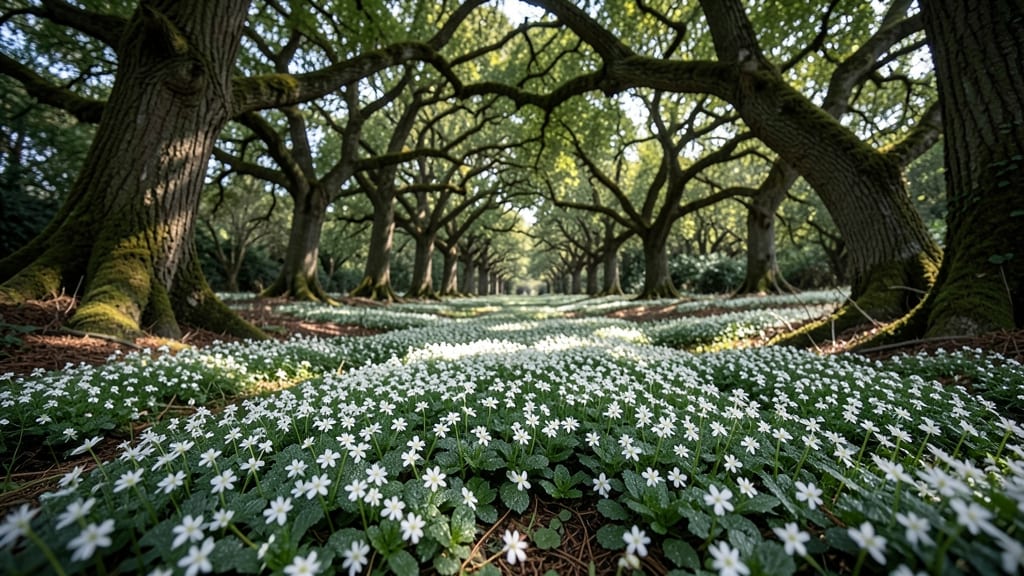
If you’ve ever struggled to keep a garden lush under the dense canopy of trees, sweet woodruff is your secret weapon. This delicate ground cover thrives in deep shade, where most plants wilt, and spreads effortlessly to create a fragrant, weed-suppressing carpet.
With its delicate white star-shaped flowers in spring and a sweet, vanilla-like scent when crushed, sweet woodruff adds both beauty and aroma to shaded spots. It’s incredibly low-maintenance—just keep it moist (but not soggy) and watch it fill gaps under trees or along fences. The foliage stays green year-round in mild climates, making it a reliable choice for evergreen interest.
Perfect for beginners or busy gardeners, sweet woodruff is the ultimate no-fuss solution for transforming bare or weedy shade into a fragrant, living tapestry. 🌿
Coral Bells for Season-Long Interest
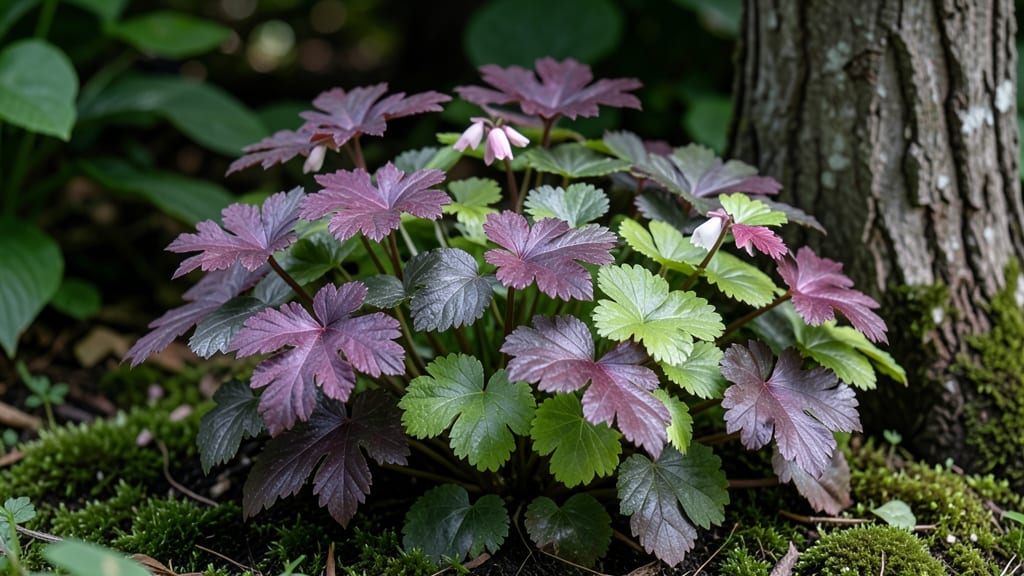
Tired of shady spots that feel like blank canvases? Heuchera, or coral bells, transform dull corners into vibrant displays with foliage that glows in purple, silver, or lime green—even when flowers are scarce.
These shade superstars thrive in partial to full shade and deliver delicate spring blooms in white, pink, or red, adding unexpected pops of color. Their compact size makes them ideal for containers, window boxes, or tucked into shady borders where other plants struggle. Varieties like 'Palace Purple' or 'Lime Rickey' ensure your garden stays lively year-round with minimal effort.
Perfect for urban balconies, woodland gardens, or under trees, coral bells bring drama without demanding full sun. Their low-maintenance nature makes them a favorite for busy gardeners. 🌻
Foxglove for Dramatic Height

Tired of flat, boring shade gardens? Foxglove injects instant drama with its towering spikes of bell-shaped blooms in purple, white, or pink, reaching heights of 3-5 feet. Unlike other shade plants, foxglove thrives in partial shade and becomes a hummingbird magnet, drawing these pollinators with its nectar-rich flowers.
Plant foxglove in well-drained soil with morning sun and afternoon shade, and deadhead spent blooms to encourage continuous flowering. Just remember—every part of the plant is toxic if ingested, so wear gloves when handling and keep it away from pets or children. The trade-off? Stunning vertical interest that outshines most shade garden staples.
Perfect for cottage gardens, woodland edges, or as a striking backdrop for shorter perennials, foxglove proves that shade areas can be just as thrilling as sun-drenched beds. 🌻