
Blooming
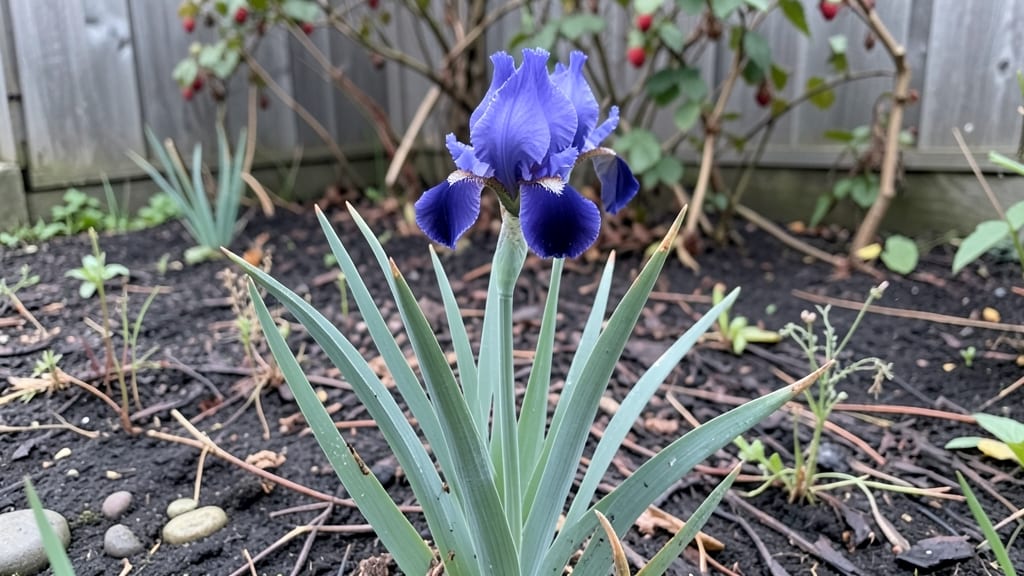
Dutch iris blooms typically appear between late March and early May, depending on climate, with vibrant colors thriving in full sun and well-drained soil. Early spring planting ensures peak flowering in zones 3-9.
Timing is everything when it comes to these showstopping flowers, as their bloom window can shift by weeks depending on where you live. 🌸 In colder regions like zone 4, you might see them pushing through the soil as early as mid-April, while warmer zone 9 gardens often enjoy their peak in late April to early May.
The key to unlocking their full potential lies in mimicking their natural Mediterranean habitat—well-draining soil prevents root rot, and a sunny spot with at least 6 hours of direct light per day ensures those iconic sword-shaped blooms reach their maximum vibrancy.
What many gardeners overlook is the importance of vernalization, a cold period that triggers blooming. Forcing bulbs through a 4-6 week chill period at 35-45°F before planting can advance bloom times by 2-3 weeks in warmer climates.
This technique works especially well for late-blooming varieties that might otherwise miss their prime window entirely.
💡 In This Article
- Factors Influencing Dutch Iris Bloom Timing
- Optimal Soil and Care for Long-Lasting Dutch Iris Flowers
Factors influencing Dutch iris bloom timing
The timing of Dutch iris blooms hinges on three critical factors: climate zone, soil temperature, and daylight exposure. These elements work together like a biological clock, triggering the plant's natural flowering cycle.
In colder regions (zones 3-5), blooms often appear as early as late March because the plants need a prolonged cold period to break dormancy—a process called vernalization.
Meanwhile, in warmer zones (7-9), the same varieties might not bloom until mid-April to early May due to milder winters that don't provide sufficient chill hours. 🌱
Daylight exposure plays a surprising role too. Dutch irises are long-day plants, meaning they require 12-16 hours of daylight to initiate flowering. In northern latitudes where days are shorter, blooms may appear later as the plants wait for sufficient light.
Conversely, in southern climates, the extended daylight of early spring can push blooms forward. Soil temperature matters just as much—roots need to warm to 50-55°F before active growth begins, which can delay blooming in cool springs by 1-2 weeks.
Here's where variety selection comes into play: Early-blooming types like 'Professor Blaauw' typically appear 2-3 weeks sooner than late varieties such as 'White Swan'. This difference stems from genetic variations in their vernalization requirements.
For example, early bloomers may need only 4-5 weeks of chill, while late bloomers often require 6-8 weeks.
What most gardeners don't realize is that even within the same variety, blooms can shift by 10 days or more based on microclimates—like a south-facing bed versus a north-facing one. ✨
The science of vernalization explains why forcing bulbs through cold treatment can advance bloom times. When you subject Dutch iris bulbs to 4-6 weeks at 35-45°F before planting, you essentially trick the plant into thinking winter has passed.
This technique works because cold exposure activates specific genes that produce a protein called VERNALIZATION INSENSITIVE 3 (VIN3), which signals the plant it's time to flower.
In warmer climates where natural chill is insufficient, this method can shift bloom times by 3-4 weeks, turning a late May display into an early April showstopper.
One often-overlooked factor is soil moisture levels during the vernalization period. Too much water can actually inhibit the cold response, while well-drained soil ensures proper oxygen flow to the roots.
This is why gardeners in rainy climates sometimes see delayed blooming—the excess moisture may prevent the necessary cold stress from occurring. Conversely, in arid regions, supplemental watering during the chill period can help maintain consistent soil temperatures around 40°F, optimizing bloom timing. 💫
For practical application, consider these key takeaways: If you're in zone 6 and want blooms by early April, plant in late August to early September to allow sufficient root establishment before winter. In zone 9, where winters are mild, use the cold treatment method to compensate.
And remember—while Dutch irises thrive in full sun, they can actually overheat in intense afternoon sun of southern climates, which may stress the plants and delay blooming. A light afternoon shade can sometimes advance bloom times by 5-7 days in these conditions.