
Blooming
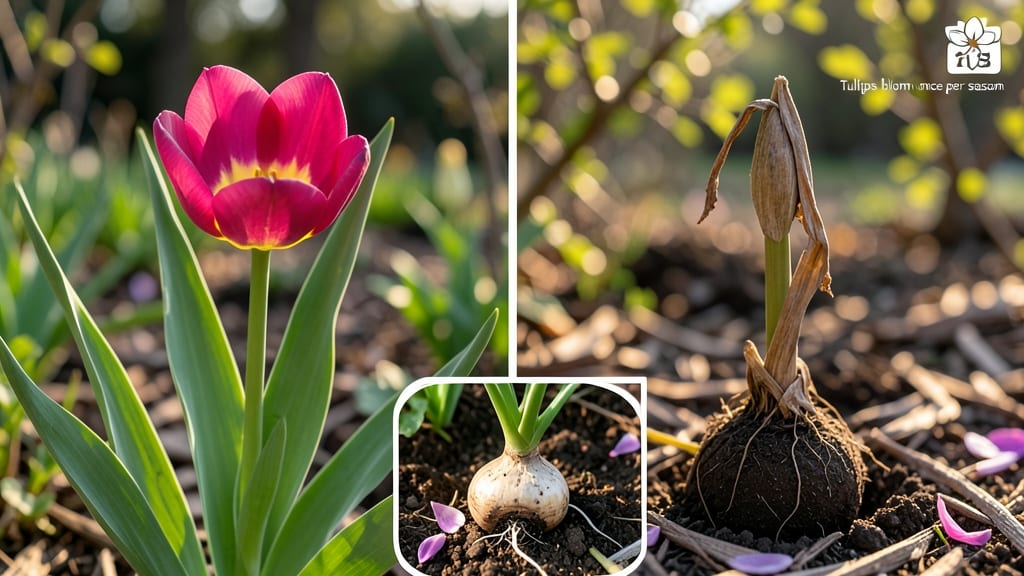
Most tulips bloom only once per season, but reblooming varieties like Darwin Hybrid or Fringed tulips can produce multiple flowers yearly with proper deadheading and fertilization. Standard tulips need seasonal dormancy to regrow blooms.
Tulips follow this pattern because their energy focuses on storing nutrients in the bulb for next year's growth. 🌷 The key difference lies in how they allocate resources: single-blooming types prioritize bulb development over repeated flowering.
Even with reblooming varieties, you'll need to mimic their natural cycle—removing spent blooms and feeding them consistently—to encourage a second show. I've seen gardeners double their blooms by treating rebloomers like perennials rather than annuals.
What's fascinating is how soil health plays a role. Over-fertilizing with high-nitrogen mixes can actually prevent reblooming by encouraging leaf growth at the expense of flower buds. Instead, a balanced approach with phosphorus and potassium supports both foliage and blooms.
For best results, I recommend testing your soil in early spring and adjusting nutrients based on the specific tulip variety you're growing.
💡 In This Article
- Why Most Tulips Bloom Only Once Per Year
- How to Encourage Reblooming in Tulip Varieties
Why most tulips bloom only once per year
The reason standard tulips bloom just once per season comes down to their biological survival strategy. When tulips flower, they allocate nearly all their energy to producing seeds and developing a strong bulb for next year. This is called monocarpic flowering, where the plant prioritizes reproduction over repeated blooming.
The bulb stores nutrients like starches and sugars during the growing season, which are then used to fuel the single spectacular bloom you see in spring.
Seasonal dormancy is another critical factor. After blooming, tulips enter a resting phase where they need 6-8 weeks of cooler temperatures (below 60°F) to reset their growth cycle. This dormancy period is essential for rebuilding the bulb's energy reserves.
Without it, the plant won't have enough stored energy to produce another flower. 🌱 Even with ideal growing conditions, standard tulips like Parrot or Triumph varieties will only rebloom if you manually mimic this dormancy by withholding water and nutrients after the first bloom.
Improper care can actually prevent any future blooms. Over-fertilizing with nitrogen-heavy mixes (like lawn fertilizer) encourages leafy growth at the expense of flower buds. The plant becomes too focused on foliage production rather than bulb development.
I've seen gardeners accidentally kill their tulip blooms by using 10-10-10 fertilizer without realizing the nitrogen ratio was too high. For single-blooming tulips, a balanced 5-10-10 or 5-10-5 fertilizer in early spring is ideal—it supports both foliage and bulb storage without overstimulating growth.
There's also a fascinating chemical process at play. Tulips produce a hormone called florigen that triggers flowering. After the first bloom, the plant's energy shifts to producing cytokinins, which promote leaf and bulb growth instead.
This hormonal shift explains why even with perfect care, standard tulips rarely produce a second bloom—they're biologically programmed to conserve energy for next year's single spectacular display. 🌷
The exceptions to this rule are reblooming varieties like Darwin Hybrids, which have been selectively bred to produce two to three flower stalks per bulb in a single season. These varieties can handle multiple blooming cycles because their genetic makeup allows for more efficient energy distribution between foliage and flowers.
The key difference is in their leaf structure—rebloomers develop broader leaves that can photosynthesize more efficiently, giving them the extra energy needed for repeated flowering.
What most gardeners don't realize is that even reblooming tulips need proper deadheading to encourage a second bloom. When you remove spent blooms (but leave the leaves), you redirect the plant's energy from seed production back to bulb development.
This simple technique can double your blooming season with minimal extra effort. The science behind this is straightforward: by preventing seed formation, you allow the plant to maintain its energy reserves for future growth rather than diverting them to reproductive structures.