
Blooming
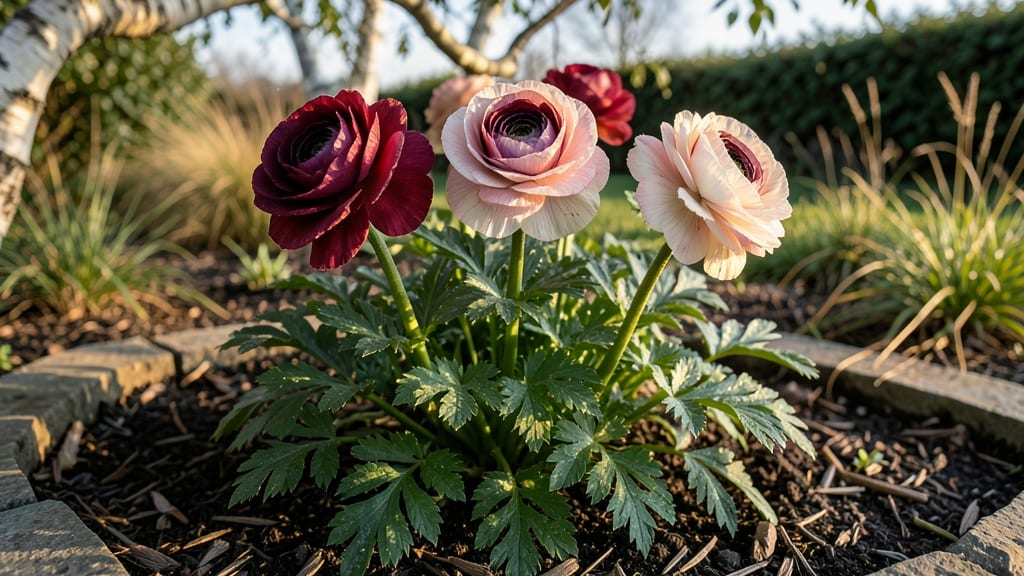
Ranunculus do not bloom all summer—most varieties produce vibrant flowers in spring and early summer, then enter dormancy by late summer or early fall, though some rebloom with proper care and deadheading. Cool-season types thrive best in spring, while heat-tolerant hybrids may extend blooming slightly. Timing depends on climate and variety, with most lasting 6-10 weeks per season.
Ranunculus are seasonal showstoppers, designed by nature to shine brightest when days grow longer and temperatures moderate. 🌸 The blooming window typically aligns with spring's peak—think late April through June in most temperate zones—but heat-tolerant hybrids can stretch this into early July.
What's fascinating is how these flowers respond to environmental cues: longer daylight triggers blooming, while rising summer heat signals their natural dormancy period. I've seen Mediterranean climate varieties push their season slightly later, but even those usually fade by August.
If you're dreaming of summer-long ranunculus displays, the secret lies in deadheading and strategic care. Removing spent blooms redirects energy to new growth, while consistent moisture and balanced fertilizer can coax some varieties into a second flush.
Just remember—these aren't tropical annuals; they're cool-season performers at heart. The key is working with their natural rhythms rather than forcing them to bloom against their biological clocks.
💡 In This Article
- Ranunculus Blooming Seasons by Variety and Climate
- How to Extend Ranunculus Blooms with Deadheading and Care
Ranunculus blooming seasons by variety and climate
Ranunculus blooming cycles are tightly linked to photoperiodism—the plant's response to daylight length. Most varieties need 12-14 hours of daylight to trigger flowering, which explains their spring peak when days lengthen.
Cool-season types like 'Buttercup' or 'Persian Jewel' typically bloom from late March to June, while heat-tolerant hybrids like 'Purple Passion' may extend into early July. The transition to dormancy occurs when temperatures exceed 80°F (27°C) for prolonged periods, signaling the plant to conserve energy.
Climate plays a dramatic role in blooming duration. In Mediterranean regions, where summers are dry and hot but winters are mild, ranunculus may bloom later into summer (June-August) but often require consistent moisture.
Conversely, in cooler temperate zones like the Pacific Northwest, blooming peaks in May-June and fades by early July. The 3-5 week difference in blooming windows between varieties stems from their genetic adaptation to specific climates—some are bred to handle heat better than others.
Here's how to identify your ranunculus type: Cool-season varieties often have delicate, papery petals and prefer 50-65°F (10-18°C) temperatures, while heat-tolerant hybrids have slightly thicker petals and can handle up to 85°F (29°C).
The key difference lies in their vernalization requirements—cool-season types need a winter chill period to reset their growth cycle, while heat-tolerant ones can bloom year-round in ideal climates like Southern California.
What most gardeners miss is how soil temperature affects blooming. Ranunculus bulbs (corms) need soil temps between 55-65°F (13-18°C) to sprout. If planted too early in cold climates, they may rot; if planted too late, they'll miss the optimal blooming window.
This is why timing your planting 6-8 weeks before your last frost date is critical for maximizing bloom duration.
Consider these regional examples: In Zone 5, ranunculus bloom from late May to early July; in Zone 8, they may bloom from March to June.
The Mediterranean climate of Zone 9-10 allows for extended blooming (April-September) but requires afternoon shade during peak summer heat to prevent petal scorching. 🌿 This geographic variation explains why some gardeners swear their ranunculus bloom all summer—it's often a climate-specific phenomenon rather than a general rule.
The science behind this involves ethylene gas production—when ranunculus sense heat stress, they release ethylene, which accelerates dormancy. This is why even heat-tolerant varieties eventually fade: their biological clock is hardwired to conserve energy for the next growing season.
Understanding this helps explain why forcing summer blooms often results in weaker, shorter-lived flowers.