
Blooming
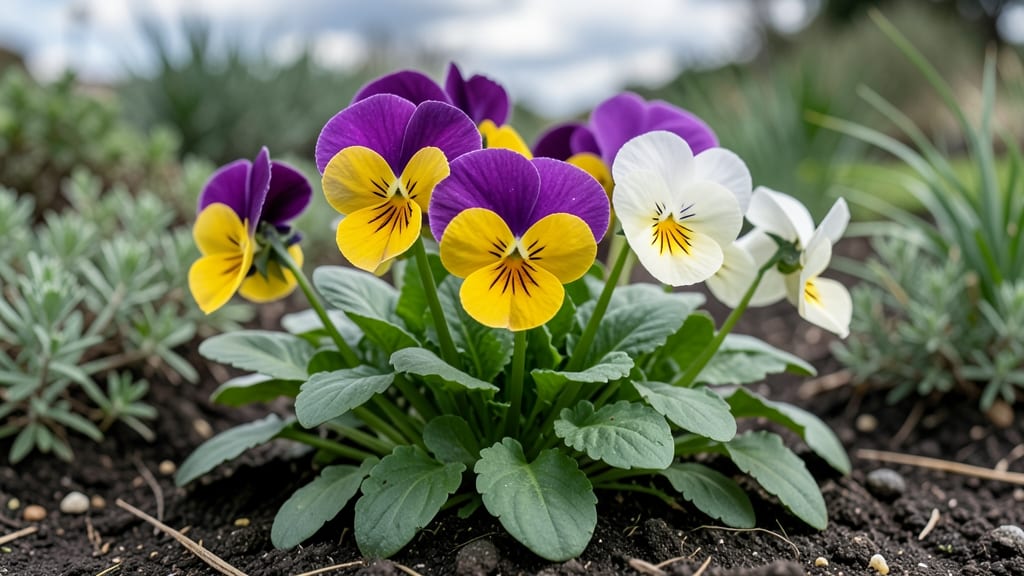
Pansies bloom in winter, thriving in cold weather with vibrant flowers that add color to gardens when most plants are dormant. Hardy varieties like Viola tricolor and Viola cornuta continue flowering from fall through spring in USDA zones 3-10.
Winter-blooming pansies are nature's secret weapon for adding color to gardens during the colder months. 🌸 Their ability to thrive in chilly temperatures comes from a combination of cold-hardy genetics and photoperiod sensitivity, which triggers flowering when other plants are dormant.
Unlike spring-blooming annuals, pansies actually prefer cooler weather—temperatures between 40°F and 60°F are ideal for their growth and flowering. This makes them perfect for gardeners in regions with harsh winters, as they'll keep blooming even when snow is on the ground.
What sets pansies apart is their versatility across different climates. In milder winter zones (like 7-10), they may bloom year-round, while in colder regions (zones 3-6), they'll still produce vibrant flowers as long as they're planted in well-draining soil and receive adequate sunlight.
The key is choosing the right varieties—cultivars like 'Matrix' and 'Ice King' are specifically bred for winter hardiness and won't bolt in the heat of summer like other flowers might.
💡 In This Article
- Why Pansies Flourish in Cold Weather
- Best Winter-Blooming Pansy Varieties and Planting Tips
Why pansies flourish in cold weather
Pansies thrive in winter because their genetic makeup includes natural cold hardiness traits. Unlike most annuals that shut down in freezing temperatures, pansies have evolved to handle frost down to 15°F in some varieties.
Their cell membranes contain higher levels of unsaturated fats, which remain fluid in cold conditions—this prevents damage that would occur in temperature-sensitive plants like marigolds. The Viola genus, which includes pansies, actually originates from temperate climates where winter flowering is common in the wild.
Their winter blooming is also triggered by a process called vernalization, where exposure to cold temperatures actually stimulates flowering. Most plants require long daylight hours (photoperiodism) to bloom, but pansies have adapted to flower when days grow shorter in fall and winter.
This is why they continue producing vibrant blooms even when daylight drops below 10 hours—a condition that would cause many other flowers to go dormant. 🌡️ The cooler temperatures also slow their metabolism, allowing them to conserve energy while still producing flowers.
What makes pansies unique is their ability to maintain vibrant color in cold weather. The pigments in their petals (particularly anthocyanins) actually become more intense when exposed to chilly temperatures, creating those striking purple, yellow, and blue hues.
This is the opposite of what happens with many summer flowers, which often lose their vibrancy in cooler conditions. The plant's growth habit also changes—stems become more compact in cold weather, producing more flowers per square inch rather than long, leggy growth.
Comparing pansies to spring-blooming annuals like petunias reveals their cold tolerance advantage. While petunias will die back in freezing temperatures, pansies can withstand 20-25°F with proper care. Their root systems develop deeper in cooler soil, accessing moisture that would be unavailable to shallow-rooted summer flowers.
This deep rooting also helps them anchor against winter winds, which can uproot more delicate plants. The trade-off? Pansies may slow their growth in extreme cold, but they'll bounce back quickly when temperatures warm slightly.
One fascinating adaptation is their ability to produce flowers even when covered by light snow. The petals contain natural antifreeze proteins that prevent ice crystal formation within the plant tissues.
This allows them to continue photosynthesis and flowering even when other winter plants are completely dormant. 🌨️ Gardeners in colder climates often report that pansies will push through snow cover to reveal their cheerful faces, making them a true winter garden hero.
The science behind pansy cold hardiness extends to their seed production. While many plants save their energy for spring flowering, pansies can produce seeds even in winter conditions—though these seeds typically require vernalization before germinating.
This dual capability (flowering and seed production in cold weather) is what makes pansies so resilient compared to other winter annuals like calendulas, which focus primarily on survival rather than reproduction during cold months.