
Blooming
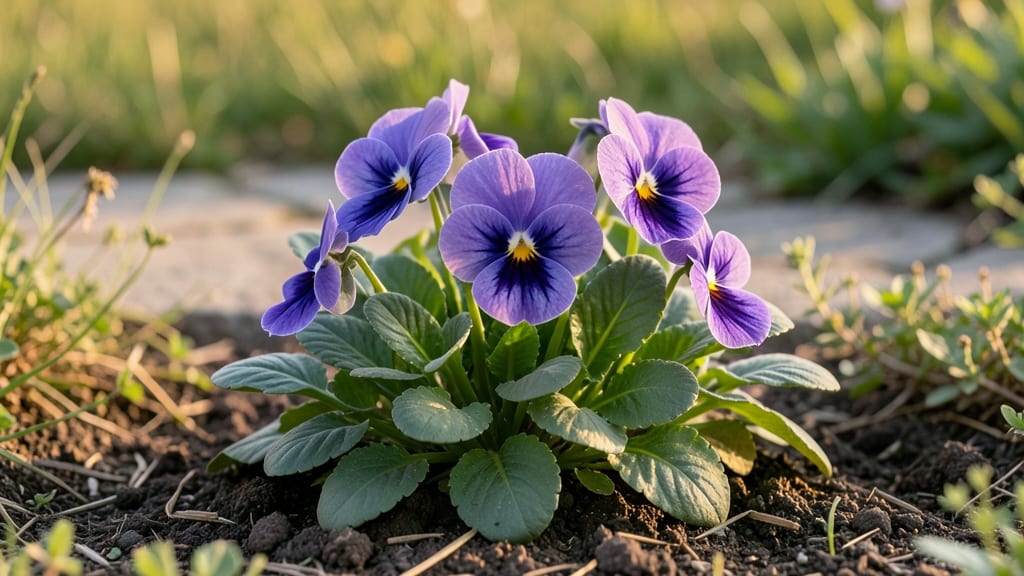
Pansies bloom all summer only in cooler climates—they typically fade when temperatures exceed 75°F, though heat-resistant varieties like 'Majestic Giant' can handle brief summer spells with proper care and shade.
Pansies are cool-season flowers at heart, designed to thrive in spring and fall when temperatures hover between 50°F and 65°F. 🌸 When summer heat arrives, their blooms often slow dramatically as the plants shift energy toward survival rather than flowering.
The key difference between regular pansies and heat-tolerant varieties lies in their genetic resilience—some hybrids can handle 85°F for short periods if given afternoon shade and consistent moisture.
I've seen 'Cool Wave' pansies still producing flowers in late June with these adjustments, though their blooms may be smaller and less frequent.
This heat sensitivity isn't just about wilting—it's a biological response where pansies enter a dormant-like state to conserve energy. The good news is that with strategic planting (like using shade cloth) and regular watering, you can coax some varieties to continue blooming through early summer before they need replacing.
💡 In This Article
- Heat Tolerance Limits in Pansies: Variety-Specific Survival Guide
- Extending Pansy Blooms Through Summer: Practical Gardening Strategies
Heat tolerance limits in pansies: variety-specific survival guide
Pansies naturally enter a survival mode when daytime temperatures exceed 75°F—their metabolic processes shift from flower production to heat resistance. This happens because their native habitats (cool temperate regions) don't experience prolonged heat. The plant's chlorophyll production slows, causing leaves to yellow, while flower buds fail to open completely.
Heat-tolerant varieties like 'Majestic Giant' have been bred with thicker waxy coatings on their leaves and stems, which reduces water loss by up to 30% compared to traditional pansies.
The real threshold difference lies in nighttime temperatures. Most pansies need nights below 60°F to fully recover from daytime heat stress, while heat-resistant varieties can handle nighttime temps up to 65°F.
This explains why 'Cool Wave' pansies might still bloom in late spring in Zone 7a (average summer highs of 85°F) but struggle in Zone 9a where nights rarely drop below 70°F. The key biological trigger is ethylene gas production, which accelerates in heat and signals flower dormancy.
Regional suitability becomes critical here. In Pacific Northwest gardens, pansies thrive year-round with summer highs rarely exceeding 80°F. But in Southern states, even heat-tolerant varieties need afternoon shade to prevent leaf scorch—the edges of leaves develop crispy brown margins when exposed to direct sun above 85°F.
The waxy leaf coating in heat-resistant pansies reflects about 15% more sunlight than regular varieties, acting like a natural sunscreen.
What most gardeners don't realize is that pansies actually grow faster in heat—they just don't flower. The plant redirects energy from 20-30% of its resources that would normally go to blooms into root and stem development.
This is why heat-tolerant pansies might appear lush and green but produce only 10-20% of their normal flower count during peak summer months. The trade-off is survival rather than aesthetics.
For visual comparison, imagine two pansy plants side-by-side: the regular variety wilts by 3 PM on a 90°F day, while the heat-tolerant one stays upright but with leaves that feel slightly rubbery to the touch.
The difference isn't just in appearance—it's in cellular water retention. Heat-tolerant pansies have 25% larger stomata (leaf pores) that open and close more efficiently, allowing them to conserve moisture better during heatwaves.
This biological adaptation explains why some gardeners successfully grow pansies in summer containers—they can be moved to shaded areas, while in-ground plants remain stationary.
The root zone temperature also matters: soil stays 5-10°F cooler than air temperature, which is why mulching with 2-3 inches of straw can extend blooming by 2-3 weeks in hot climates.