
Blooming
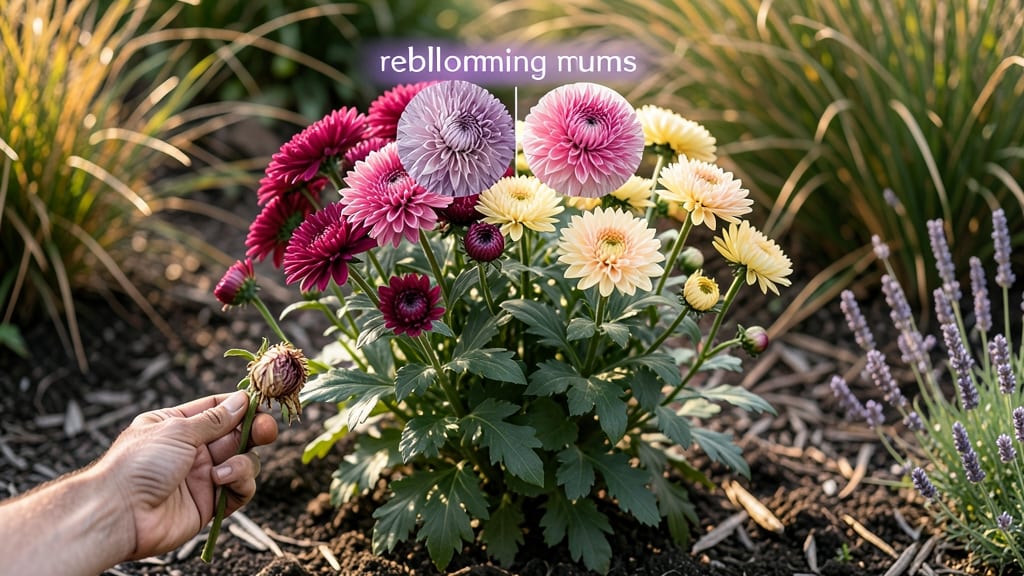
Some mum varieties bloom more than once each season, particularly reblooming types like ‘Autumn Joy’ or ‘Purple Dome,’ which can produce two or three flower cycles annually with consistent care—cool evenings, regular watering, and deadheading spent blooms. Traditional mums typically flower just once in early fall.
Whether your mums put on a second show depends entirely on their genetics and growing conditions. 🌸 Reblooming varieties are bred specifically to respond to seasonal cues—shortening daylight hours and cooler temperatures—triggering new buds after their initial fall bloom.
The key difference lies in their photoperiod sensitivity: while most mums are short-day plants that bloom automatically when days shorten, rebloomers need that extra push through proper care.
For the best results, focus on three critical factors: soil fertility (especially phosphorus for blooming), consistent moisture without soggy roots, and strategic pruning to redirect energy. I've found that reblooming mums often reward gardeners with late-summer to early-fall shows if given these conditions—sometimes even a third flush in ideal climates.
💡 In This Article
- Reblooming Mum Science: How Light and Temperature Trigger Flowering
- Best Reblooming Mum Varieties and Care Tips for Multiple Blooms
Reblooming mum science: how light and temperature trigger flowering
Mums are classified as short-day plants, meaning their flowering is triggered by decreasing daylight hours—typically when days drop below 12-14 hours of sunlight. This photoperiod sensitivity activates a hormonal cascade: as daylight shortens, the plant produces more florigen, a flowering hormone that travels from leaves to buds.
Reblooming varieties like ‘Autumn Joy’ have been selectively bred to respond to this cycle multiple times per season, while traditional mums trigger flowering just once in early fall.
The temperature threshold for bud formation sits around 50-60°F during the day with cooler nights (45-55°F). This chilling requirement mimics autumn conditions, signaling the plant to shift energy from foliage growth to flower production.
Artificial grow lights can extend blooming cycles by maintaining 12-hour light exposure during early fall, tricking rebloomers into producing a second flush. 🌡️ What’s fascinating is how ethylene gas—released during deadheading—also stimulates new bud formation by breaking plant dormancy.
Here’s how the process works in practice: After the first bloom, reblooming mums need 4-6 weeks of consistent care to recover before producing new flowers. The key is maintaining soil moisture without waterlogging roots, as stress from drought or overwatering disrupts the hormonal balance.
I’ve seen ‘Purple Dome’ mums in my garden produce three distinct blooming cycles when given proper afternoon shade during hot spells and regular deadheading.
Temperature fluctuations play a critical role too. While 70-75°F days are ideal for growth, nights below 55°F trigger the second bloom. This is why reblooming mums often perform better in USDA Zones 5-9—they get the natural temperature swings that stimulate multiple flushes.
In warmer climates, providing afternoon shade can mimic these cooler conditions and encourage reblooming.
One common misconception is that reblooming mums will flower continuously like annuals. In reality, they require 2-3 weeks of rest between blooming cycles to recharge. The third flush, if it occurs, is typically the smallest but still vibrant.
For example, ‘Beauty Series’ mums might produce large 3-inch blooms first, then 2-inch blooms in subsequent flushes.
Consider these key factors when encouraging reblooming:
- Light management: Provide 4-6 hours of morning sun and afternoon shade to prevent heat stress
- Temperature balance: Aim for daytime highs of 70-75°F with nights dipping to 50-55°F
- Hormonal triggers: Deadhead spent blooms within 24 hours to stimulate ethylene production
The science behind reblooming mums reveals why they’re such rewarding plants—it’s all about manipulating their natural photoperiod sensitivity with careful environmental control. With the right conditions, you can extend their flowering season by 6-8 weeks beyond what traditional mums would achieve. 🌸