
Blooming
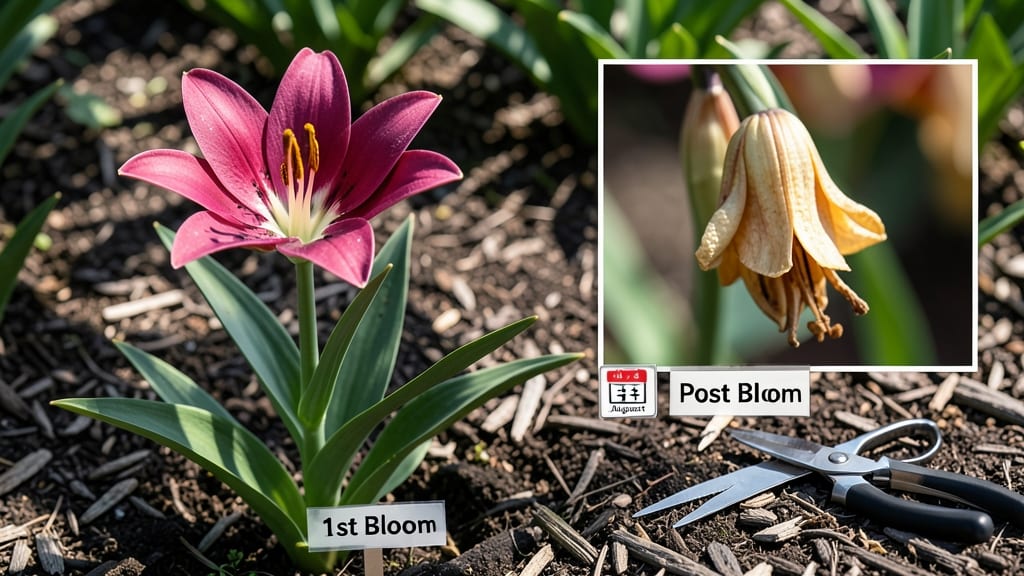
The idea that lilies only bloom once is a common myth—most varieties can flower annually or even rebloom under the right conditions, depending on their type. Asiatic and Oriental lilies often return with proper care, while trumpet lilies may occasionally surprise you with extra blooms. Removing spent flowers (deadheading) can encourage reblooming in some cases.
Not all lilies follow the "one-and-done" rule—it depends on their genetics and growing conditions.
Asiatic lilies, for example, are notorious annual bloomers, while Oriental types often reward gardeners with a second show if given the right nutrients. 🌸 The key lies in their energy reserves: lilies store nutrients in their bulbs, and varieties like trumpet lilies can sometimes redirect these reserves for multiple blooming cycles when conditions are ideal.
Light exposure plays a crucial role too—too much shade can signal a lily to conserve energy for bulb health rather than flowering.
For those eager to coax extra blooms, timing matters. I've found that fertilizing with phosphorus-rich formulas in early spring gives lilies the fuel they need, while deadheading spent blooms redirects energy toward new growth.
Even trumpet lilies, often considered one-time bloomers, might reward you with surprise flowers if you protect their bulbs from harsh winters and provide consistent moisture. The secret? Treat them like the divas they are—give them what they need, and they'll often give back more than you expect.
💡 In This Article
- Lily Bloom Cycles: Why Most Varieties Flower Once
- How to Encourage Reblooming in Lilies
Lily bloom cycles: why most varieties flower once
Lilies follow strict biological rhythms tied to their bulb's energy reserves. Most varieties allocate nearly all their stored nutrients toward a single spectacular bloom in late spring or summer, leaving little energy for repeat cycles.
This is especially true for Asiatic lilies, which prioritize one 3-5 week flowering period before entering dormancy.
Their bulbs, typically 2-4 inches in diameter, contain just enough starch reserves for one major growth spurt. 🌸 The process begins when daylight hours increase in spring, triggering hormonal shifts that redirect stored nutrients from the bulb's basal plate toward stem and flower development.
Oriental lilies represent a middle ground with their stronger fragrance and larger blooms, but they still follow a similar pattern. These varieties often produce 10-20 buds per stem that open sequentially over 2-3 weeks, then require complete rest before reblooming.
Trumpet lilies, however, have a different mechanism—some can rebloom because their bulbs store more energy, but this depends on 6+ hours of daily sunlight during active growth.
Too little light causes the plant to conserve energy for bulb maintenance rather than flowering, which explains why many gardeners see only one bloom cycle.
The reblooming potential also hinges on temperature sensitivity. Lilies need 60-70°F daytime temperatures during their growing season to maximize photosynthesis. Below 55°F, their metabolic processes slow dramatically, forcing energy conservation. This is why northern climates often see single-season blooming—cooler summers limit the plant's ability to replenish reserves.
Even in ideal conditions, lilies must complete their full growth cycle, including 6-8 weeks of foliage development after blooming, to store enough nutrients for potential reblooming.
Light exposure creates another critical factor. Lilies planted in partial shade (4-6 hours of direct sun) may produce fewer blooms because reduced photosynthesis limits energy production. The plant's leaves, which can span 2-3 feet in width, must capture sufficient sunlight to fuel both blooming and bulb maintenance.
When shade reduces this capacity, the lily prioritizes bulb health over additional flowers. This is why gardeners often see reblooming in sunnier microclimates—more light equals more energy for potential second cycles. 🌞
Consider the bulb's age too—younger bulbs (1-2 years old) often have limited energy reserves, while mature bulbs (3+ years) can sometimes produce 2-3 stems with proper care.
The key difference lies in their starch content: mature bulbs contain 15-20% more stored energy than young ones, allowing for more flexible energy allocation. This explains why established lily patches sometimes surprise gardeners with unexpected reblooming after years of single-season performance.