
Blooming
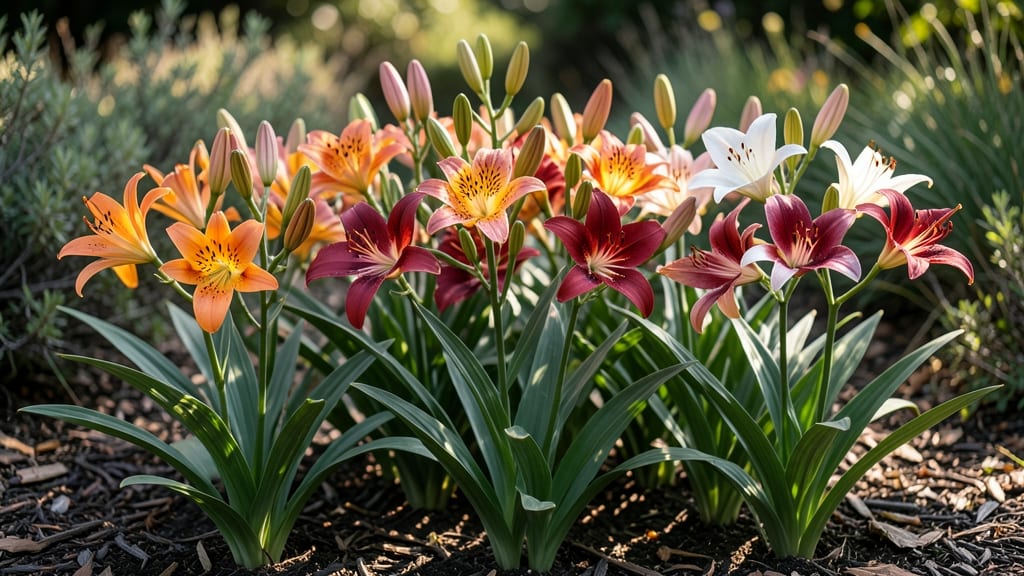
Lilies do not bloom all summer—most varieties flower for just 2-4 weeks per season, typically between late spring and early fall, depending on the species and climate. Some tropical lilies may rebloom with proper care, but most temperate lilies are seasonal bloomers.
Lilies are seasonal showstoppers, not year-round performers. 🌸 Most temperate varieties—like the classic Asiatic or Oriental lilies—follow nature's cues, bursting into bloom when daylight stretches longer and temperatures warm up.
This usually means a concentrated 2-4 week display, often starting in late spring or early summer and tapering off by early fall. Tropical lilies, however, might surprise you with a second round if you provide consistent warmth and humidity, though even they have their limits.
What makes this timing so fascinating is how lilies sync with their environment. Daylight length acts like a biological clock, triggering flower buds to open when conditions are ideal. In cooler climates, this might mean a shorter bloom window, while warmer zones could stretch it slightly.
Understanding your specific lily variety and local growing zone can help you set realistic expectations for their seasonal performance.
💡 In This Article
- Lily Bloom Seasons by Variety: When and Why They Flower
- Extending Lily Bloom Time: Care Tips for Longer Flowers
Lily bloom seasons by variety: when and why they flower
The bloom cycle of lilies is tightly linked to their biological rhythms and environmental triggers. Most temperate lilies—like the popular Asiatic and Oriental varieties—follow a strict seasonal pattern because they're short-day plants.
This means their flowering is triggered by decreasing daylight hours, typically starting in late spring when temperatures consistently reach 65-75°F and days begin to lengthen. The bloom period then lasts about 2-4 weeks, after which the plant redirects energy to bulb storage for winter.
Let's break down the timing by variety: Asiatic lilies often bloom earliest (late May to June), followed by Oriental lilies (June to July), and Trumpet lilies (July to August).
Daylilies (which aren't true lilies but often grouped with them) are more flexible, sometimes blooming two or even three times per season when given proper care.
The key difference lies in their root systems—true lilies store energy in bulbs, while daylilies use rhizomes that can regenerate more quickly, allowing for repeat blooming.
Temperature plays a critical role in this process. Lilies need a period of cool dormancy (around 40-50°F for 6-8 weeks) to reset their biological clocks. Without this chill period, many temperate varieties won't bloom at all the following season.
This is why you'll rarely see lilies flowering continuously—they're designed to conserve energy for their annual show rather than spread it out. 🌸
Light exposure is another crucial factor. Most lilies thrive in full sun (6-8 hours daily), but too much intense afternoon sun can actually shorten their bloom time by causing stress. The ideal scenario is morning sun with afternoon shade, which helps maintain steady flowering.
In regions with USDA zones 5-8, this balance is easier to achieve naturally, while gardeners in hotter climates (zones 9+) may need to provide afternoon shade to extend bloom periods.
There's also a fascinating chemical process at work: lilies produce a hormone called florigen when they receive the right combination of light and temperature signals. This hormone travels from leaves to buds, triggering the complex biochemical reactions that produce flowers.
Once the blooms open, the plant's energy shifts to seed production, which is why you'll often see seed pods forming shortly after the peak bloom period—this is nature's way of ensuring the next generation of lilies.
For tropical lilies like the Stargazer or Casa Blanca varieties, the story is slightly different. These can sometimes produce a second flush of blooms if given consistent warmth (70-80°F) and regular fertilization. However, even tropical lilies typically can't maintain continuous blooming—they still need periodic rest periods to recharge.
The misconception that lilies bloom all summer likely stems from seeing multiple plants in different bloom stages throughout the season, rather than individual plants flowering continuously.