
Blooming
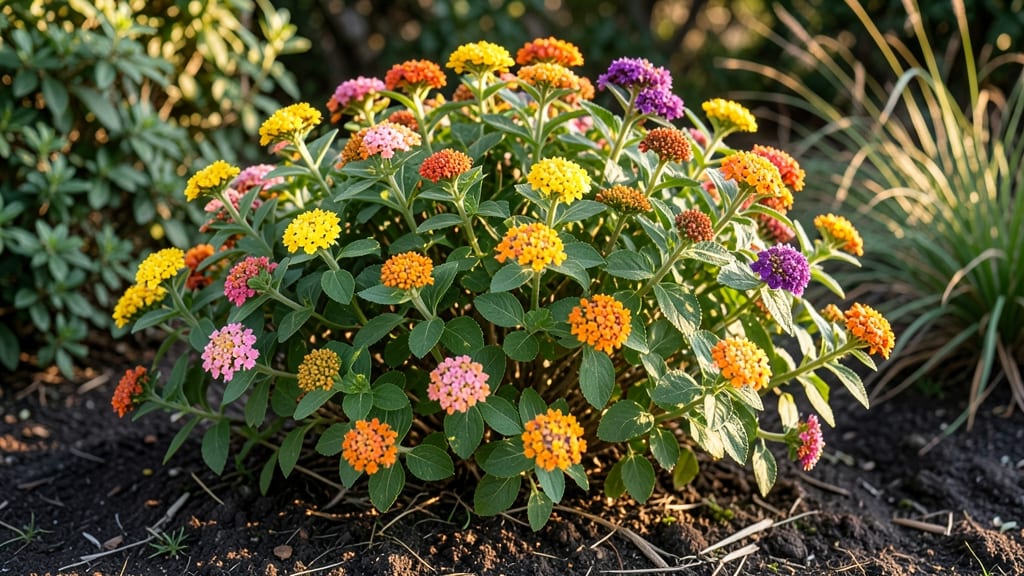
Lantana blooms all summer in warm climates, producing nonstop clusters of vibrant flowers when given full sun and well-drained soil. Some varieties may slow in extreme heat or drought, but consistent blooming is typical with proper care.
Lantana’s summer-long blooming isn’t just luck—it’s science. These hardy shrubs thrive in long daylight hours and high temperatures, which trigger their continuous flowering cycle. 🌸 Unlike many plants that bloom once and rest, lantana produces flowers from old wood, meaning they keep blooming even after the first flush.
The key difference? Some varieties like Lantana camara handle heat better than Lantana montevidensis, which may need afternoon shade in scorching regions. Proper care keeps them flowering until frost.
For maximum blooms, position your lantana where it gets at least 6 hours of direct sunlight daily and water deeply but infrequently—overwatering stresses the roots. A light trim after blooming encourages denser growth and more flowers.
In northern gardens, you might see a slight slowdown in late summer, but with consistent care, they’ll bounce back stronger in fall.
💡 In This Article
- Why Lantana Flowers Continuously Through Summer
- Maximizing Lantana Blooms: Light, Water, and Pruning Tips
Why lantana flowers continuously through summer
Lantana’s nonstop blooming is a result of its unique botanical adaptations. Unlike many plants that rely on new growth for flowers, lantana blooms from old wood, meaning the stems that produced flowers last season can sprout new buds without needing to regrow.
This ability is tied to their tropical origins, where long daylight hours (12+ hours in summer) trigger continuous flowering through a process called photoperiodism. The plant’s heat tolerance—thriving in temperatures up to 95°F—also prevents the dormancy many other plants experience during summer’s peak.
Different lantana species exhibit slight variations in their blooming habits. Lantana camara, the most common variety, produces dense clusters of small flowers in colors like yellow, pink, and orange, often blooming until frost.
In contrast, Lantana montevidensis (trailing lantana) has larger, more delicate blooms but may need afternoon shade in regions where temperatures exceed 100°F to prevent wilting.
The key difference lies in their root systems: L. camara has deeper roots that access moisture better, while L. montevidensis relies on consistent soil moisture to sustain its blooms.
The plant’s ability to rebloom stems from its determinate growth habit, where flowers develop along the stems in clusters called inflorescences. Each cluster can produce 20-50 tiny flowers that bloom sequentially, creating the illusion of endless blooms.
This is why a single lantana bush can produce thousands of flowers per season—far more than annuals like petunias, which bloom in waves before fading. The trade-off? Lantana’s small individual flowers lack the dramatic impact of larger blooms, but their sheer volume makes them a summer-long spectacle.
What most gardeners don’t realize is how lantana’s leaf structure plays a role in its heat tolerance. The waxy, slightly fuzzy leaves reduce water loss through transpiration, allowing the plant to thrive in dry conditions.
This adaptation, combined with its deep root system, means lantana can often go 2-3 weeks without watering once established—unlike many ornamental shrubs that wilt under similar conditions. The result? A plant that stays lush and flowering even during droughts.
For those in cooler climates, lantana’s summer blooming is tied to the lengthening daylight hours of late spring and summer.
In regions north of USDA Zone 8, lantana may slow its blooming in late summer when days shorten, but with proper care (like regular pruning to remove spent blooms), it can rebound in fall.
The plant’s resilience is also why it’s a favorite in xeric landscapes—designed to thrive with minimal water—where other plants would struggle.
Consider this: A single Lantana camara bush can produce enough flowers to cover 10-15 square feet of garden space in peak season. The secret? Each flower stem contains multiple buds that open sequentially, ensuring a continuous display.
This is why lantana is often used in mass plantings—their ability to self-seed and spread creates a carpet of color that lasts until frost. 🌿