
Blooming
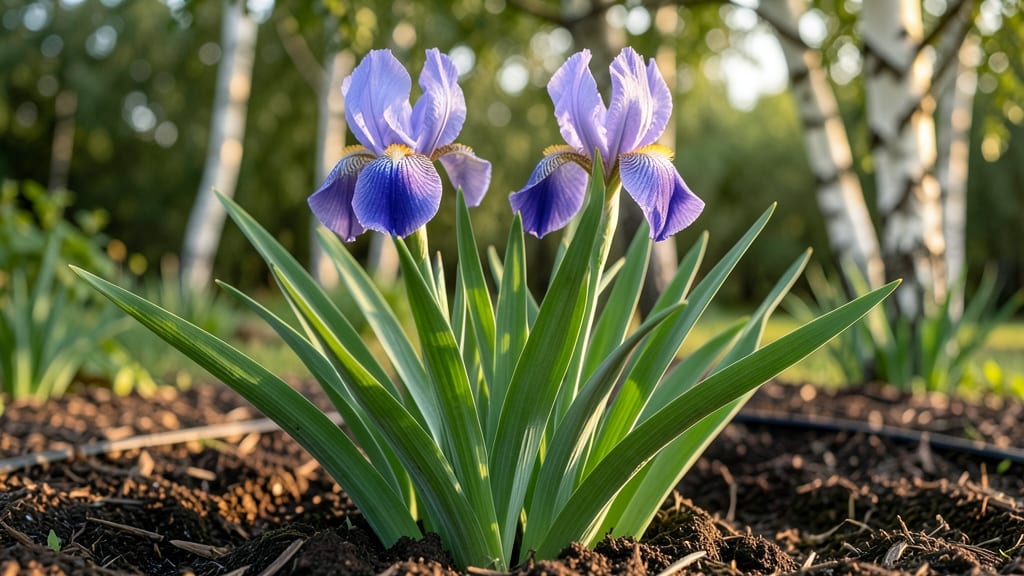
Iris bloom more than once only in select varieties like the reblooming bearded iris, which can produce two seasonal flushes with proper care, while standard iris typically bloom once annually in spring. Timing, sunlight, and soil health determine reblooming success.
Most iris varieties focus their energy on a single spectacular spring bloom because they're storing nutrients for winter dormancy. 🌸 The reblooming types, however, have been selectively bred to develop deeper root systems that store extra energy—think of them as marathon runners compared to sprinters.
When you provide them with consistent moisture, balanced fertilizer (especially phosphorus for flowering), and at least 6 hours of sunlight daily, you're essentially giving these plants the fuel they need to stage a second performance in late summer or fall.
What often trips gardeners up is the pruning timing. After the first bloom cycle, I always cut back the foliage by about one-third—but never remove more than that, or you'll starve the roots of the energy needed for reblooming.
And here's a pro tip: if your reblooming iris skips its second show, it might be telling you it's time to divide the clumps, which can become overcrowded every 3-4 years.
💡 In This Article
- Why Most Iris Bloom Only Once and How Rebloomers Differ
- Reblooming Iris Care: Light, Soil, and Feeding Secrets
Why most iris bloom only once and how rebloomers differ
Standard iris varieties follow a natural energy conservation strategy called monocarpic blooming, where they allocate nearly all their resources to a single spring show. This single-bloom cycle serves as their reproductive peak, after which they enter a dormant phase to preserve energy for winter survival.
The rhizomes (horizontal root stems) store starches and sugars like a natural battery, but they prioritize root expansion over additional blooms to ensure the plant's longevity. In contrast, reblooming iris have been selectively bred to develop a more robust root system that can sustain two flowering cycles per year.
The key difference lies in their photosynthetic efficiency and nutrient storage capacity. Reblooming iris can absorb and convert sunlight into energy more effectively, producing thicker rhizomes that store up to 30% more starch reserves than single-bloom varieties.
This extra energy reserve allows them to push through a second bloom cycle in late summer or fall, typically between August and October, when daylight hours decrease but temperatures remain warm. The trade-off?
Their growth rate is slightly slower in early spring compared to single-bloom types, which prioritize rapid energy accumulation for their one-and-done show.
Here's what happens botanically: After the first bloom, reblooming iris continue to photosynthesize through their sword-like foliage, which can span 12-24 inches long and acts like a solar panel.
This foliage must remain intact—removing more than one-third of it after the first bloom can starve the plant of the energy needed for reblooming.
The rhizomes of rebloomers also develop more lateral buds that can become new flower stems, whereas single-bloomers typically redirect all energy to root expansion after their spring display. 🌱
Light exposure plays a critical role in this process. Reblooming iris require at least 6 hours of direct sunlight daily to maintain their energy production. Insufficient light leads to weaker rhizomes and fewer stored nutrients, which directly impacts their ability to produce a second flush of blooms.
The color of the blooms can even indicate health: vibrant, fully opened flowers suggest strong energy reserves, while pale or slow-opening blooms may signal nutrient deficiencies or stress from inadequate sunlight.
Seasonal growth patterns further explain the difference. Single-blooming iris follow a clear cycle: rapid growth in spring, blooming, then dormancy. Rebloomers, however, have a modified cycle where they enter a partial dormancy after their first bloom, then restart growth when conditions are favorable for their second display.
This requires careful management of soil moisture—too much water can lead to root rot, while too little stresses the plant during its second growth phase.
Consider this comparison: A single-blooming iris might produce 5-10 flowers in one spectacular spring show, while a healthy reblooming iris could yield 3-8 flowers in spring and 2-6 flowers in fall.
The trade-off is quality over quantity, with rebloomers often producing slightly smaller but equally vibrant blooms in their second cycle. The secret to success lies in understanding that reblooming iris are essentially performing two marathons in one gardening season, requiring consistent care and attention to their unique needs. 🌿