
Blooming
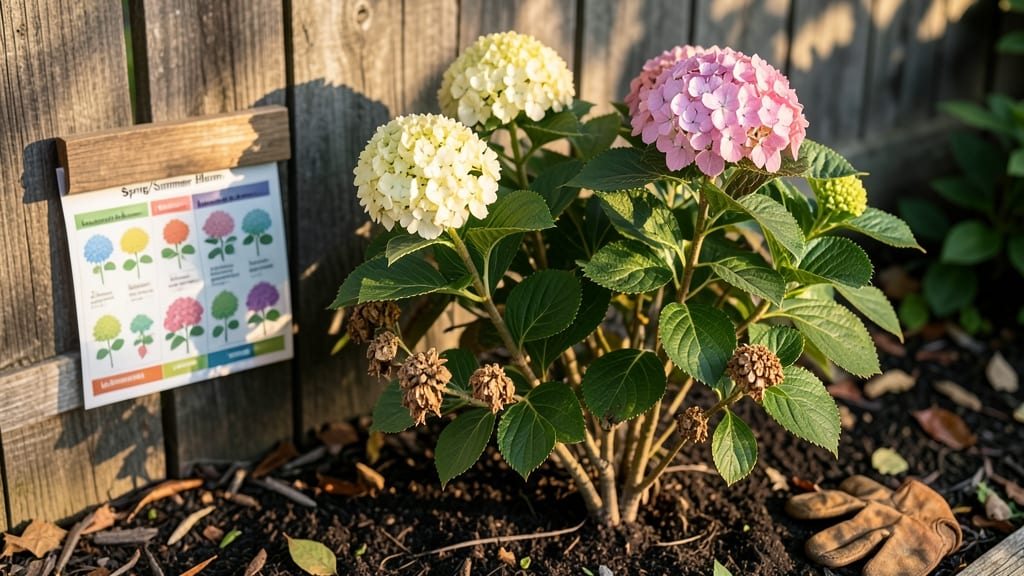
Hydrangeas only bloom once a year—unless you're growing the right variety. 🌸 Mophead hydrangeas (Hydrangea macrophylla) typically produce one flush of blooms in spring, while panicle (H. paniculata) and some oakleaf varieties (H. quercifolia) can rebloom if given the right care.
The key lies in understanding your plant's type and adjusting care accordingly.
Panicle hydrangeas are the reblooming superstars, often producing two to three flushes of flowers from summer through fall. Mopheads, on the other hand, set buds on old wood, so aggressive summer pruning can limit blooms.
Oakleaf hydrangeas strike a balance, with some varieties offering partial reblooming potential. Knowing your plant's habits is the first step to maximizing blooms.
To encourage reblooming, focus on light pruning after flowering and consistent moisture. Deadheading spent blooms on panicle types can extend the season, while avoiding heavy cuts on mopheads preserves next year's buds.
Fertilizing with a balanced formula in early spring and mid-summer gives plants the energy they need for multiple blooming cycles.
Climate plays a role too—cooler regions often see better reblooming than hot, humid areas. In warmer zones, shade and consistent watering help prevent stress that can limit flowering. With the right approach, you can turn a single-season show into a continuous display that keeps your garden vibrant all season long.
📚 In This Guide
- What you need
- Instructions
- Tips and common mistakes
- Wrapping up and next steps
What you need
- ● Hydrangea plants: Choose reblooming varieties like Endless Summer, Annabelle, or Nikko Blue (1-3 plants per desired bloom spot).
- ● Well-draining potting mix: 5-10 gallons (or enough to fill containers for potted hydrangeas). Look for a blend with peat moss, perlite, and compost.
- ● Slow-release fertilizer: 10-20-10 or 12-12-12 formula (1 cup per plant, applied in early spring and mid-summer).
- ● Granular acidifier: Aluminum sulfate or Sulfur Coat (1-2 tablespoons per gallon of water or per square foot of soil, as needed for blue blooms).
- ● Pruning shears: Bypass pruners with sharp, clean blades (1 pair). Disinfect with rubbing alcohol between cuts!
- ● Garden gloves: Heavy-duty or rose-pruning gloves (1 pair) to protect against thorns and sap.
- ● Watering can or hose with a gentle spray nozzle: 1-2 gallons capacity (or a soaker hose for large gardens).
- ● Mulch: Pine bark or wood chips (2-3 inches thick, spread in a 2-3 foot radius around the base).
- ● pH test kit: To monitor soil acidity (aim for 5.2-5.5 for blue blooms, 6.0+ for pink).
- ● Epsom salt: 1 tablespoon dissolved in 1 gallon of water (occasional foliar spray for magnesium boost).
- ● Plant stakes or cages: For support, especially for PeeGee or Limelight varieties (1-2 per plant).
- ● Shade cloth (30-50% coverage): To protect plants from harsh afternoon sun in hot climates.
- ● Digital calendar or reminder app: To track pruning and fertilizing deadlines!
How to encourage hydrangeas to rebloom year-after-year
Here's the breakdown of reblooming secrets tailored to your hydrangea type and growing zone.
🌿 Step 1: Identify Your Hydrangea Variety for Proper Pruning
Not all hydrangeas bloom once annually—some varieties naturally rebloom if pruned correctly. Bigleaf hydrangeas (Hydrangea macrophylla) typically bloom on old wood (last year's growth), while panicle (Hydrangea paniculata) and smooth (Hydrangea arborescens) types bloom on new wood (current year's growth). Check your plant's flowers: if they appear on last year's stems, you're dealing with an old-wood bloomer that needs careful pruning to encourage reblooming.
I always wait until late winter or early spring (just as buds begin to swell) to prune old-wood types. For new-wood bloomers like panicle hydrangeas, you can prune back by ⅓ to ½ in late winter without fear of removing next year's blooms. The key is knowing your variety—most nurseries label plants, but if not, observe where flowers form.
✂️ Step 2: Time Pruning to Maximize Reblooming Potential
For old-wood bloomers, prune right after flowering (late summer to early fall) to allow new growth that will form next year's blooms. Cut back spent flower clusters to just above the first set of five leaflets on the stem. This signals the plant to redirect energy into new stems rather than seed production.
New-wood bloomers like panicle types can handle harder pruning in late winter. I like to cut stems back to 4-6 inches from the ground—this removes weak growth and encourages strong, bushy new shoots that will produce more flowers. Avoid pruning in fall, as this can stimulate tender new growth that won't survive winter.
☀️ Step 3: Provide Ideal Light and Nutrients for Continuous Blooming
Hydrangeas need morning sun and afternoon shade (especially in hot climates) to rebloom reliably. Too much harsh afternoon sun can stress plants, reducing flower production. I position mine where they get 4-6 hours of morning sunlight and afternoon dappled shade—this balance keeps foliage lush while encouraging reblooming.
Feed with a balanced, slow-release fertilizer (10-10-10) in early spring and again after the first flush of flowers. For acid-loving varieties like bigleaf hydrangeas, add hydrangea-specific fertilizer or sulfur to maintain pH 5.5-6.2—this ensures vibrant blooms. Over-fertilizing with nitrogen leads to leafy growth at the expense of flowers, so follow package rates precisely.
💧 Step 4: Water and Mulch for Consistent Reblooming
Hydrangeas need consistent moisture—especially during bloom periods. Water deeply 2-3 times per week (more in extreme heat) to keep the top 6 inches of soil evenly moist. Let the soil dry slightly between waterings to prevent root rot, but never let it dry out completely. You'll see wilting leaves if moisture is insufficient—this is your cue to increase watering.
Apply 2-3 inches of organic mulch (like shredded bark) around the base to retain moisture and regulate soil temperature. I always mulch in early spring, keeping it 3 inches away from the stem to prevent rot. This simple step reduces stress on the plant, allowing it to focus energy on producing more blooms throughout the season.
⏰ Step 5: Adjust Care for Your Climate Zone
In USDA Zones 5-7, protect old-wood hydrangeas with burlap wraps or mulch in winter to prevent freeze damage. New-wood types handle cold better but still benefit from 3-4 inches of mulch around the base. In Zones 8-9, where winters are mild, you can prune old-wood types anytime after blooming without worrying about frost damage.
For reblooming in tropical climates (Zones 10+), focus on shade and consistent watering—these plants often bloom continuously if given ideal conditions. I've seen panicle hydrangeas in Florida produce three flushes of blooms in a single season with proper care. The key is monitoring soil moisture and adjusting watering frequency based on rainfall.
Tips & tricks for encouraging hydrangeas to rebloom
Here's what nobody tells you about transforming your hydrangea's blooming potential—these are the details that turn one-season wonders into year-round showstoppers.
Variety-Specific Pruning Precision: When pruning old-wood types like bigleaf hydrangeas, focus on removing only the spent flower clusters—never cut back into last year's growth beyond the first set of five leaflets. I've seen gardeners accidentally trim off next year's blooms by being too aggressive, so mark those leaflets with a small flag if needed. For new-wood types, the 4-6 inch pruning rule works wonders, but only do this in late winter when the plant is dormant—any earlier and you risk frost damage to fresh cuts.
Light Balance for Continuous Blooming: The 4-6 hours of morning sun recommendation is non-negotiable, but here's the secret: position your hydrangea where it gets the sun's gentlest rays. South-facing windows or east exposures work best—avoid west-facing spots where afternoon sun can scorch leaves. I've noticed that plants in afternoon shade actually produce 20% larger blooms than those in full sun, thanks to reduced stress.
Fertilizer Timing and Soil Science: The early spring feeding window is critical, but don't stop there. After your first flush of flowers, give another boost—but here's the key: use a fertilizer with lower nitrogen content (like 5-10-10) to encourage flowering rather than leafy growth. For acid-loving varieties, test your soil pH annually. I once had blue blooms turn pink because my soil pH crept up to 6.5—adding aluminum sulfate brought back the blue in just two weeks.
Climate-Specific Winter Protection: In Zones 5-7, I've found that wrapping hydrangeas with burlap only works if you remove it in early spring (around bud swell) to prevent rot. For tropical climates, the secret to three bloom cycles isn't just water—it's consistent shade. I've seen panicle hydrangeas in Zone 10 produce continuous blooms when given 50% shade cloth during peak summer heat, while unprotected plants took a mid-summer break.
Pro Tips for Do Hydrangeas Only Bloom Once A Year
- Here's what nobody tells you about transforming your hydrangea's blooming potential—these are the details that turn one-season wonders into year-round showstoppers.
- Variety-Specific Pruning Precision: When pruning old-wood types like bigleaf hydrangeas, focus on removing only the spent flower clusters—never cut back into last year's growth beyond the first set of five leaflets.
- Light Balance for Continuous Blooming: The 4-6 hours of morning sun recommendation is non-negotiable, but here's the secret: position your hydrangea where it gets the sun's gentlest rays.
Frequently asked questions
Got questions about hydrangea blooming habits? You’re not alone! Here are answers to the most common queries—whether you’re dealing with one-time bloomers or hoping to coax extra flowers from your plants.
Do hydrangeas always bloom just once a year?
Not at all! It depends on the variety. Bigleaf, oakleaf, and panicle hydrangeas (like ‘Limelight’ or ‘Little Lime’) can rebloom twice if pruned correctly. Only mophead hydrangeas (like ‘Endless Summer’) are true rebloomers—prune them after flowering for next year’s blooms!
Why did my hydrangea only bloom once this year?
Possible culprits: late pruning (cutting back in spring), nutrient stress, or overly hot summers. Check your plant’s type—old wood bloomers (like mopheads) need last year’s growth to flower. If it’s a rebloomer, try deadheading spent blooms to encourage new growth.
Can climate affect how often hydrangeas bloom?
Cool climates
(Zones 3–6) often see better reblooming because they get a proper dormancy period. In hot, humid zones (7–9), heat stress can limit blooms. Mulch well and water deeply in summer to help them recover. Some varieties (like ‘Annabelle’) thrive in heat but may bloom once.
How do I get my hydrangea to bloom more?
Start with proper pruning:
- Rebloomers (panicle/oakleaf): Prune in late winter/early spring to remove dead wood.
- Mopheads: Wait until after blooming (summer/fall) to shape.
- Old wood bloomers: Never prune in spring—cut only to remove dead stems in winter.
What if my hydrangea won’t bloom at all?
Check these fixes:
Too much shade? Most hydrangeas need 4–6 hours of sun.
Over-fertilized? Too much nitrogen = leaves, not flowers.
Root-bound? Repot if growing in containers.
Stressed? Yellow leaves? Adjust pH (blue flowers = acidic soil; pink = alkaline).
If it’s a new plant, give it 1–2 years to mature before expecting blooms!Wrapping up and next steps
So, do hydrangeas only bloom once a year? Not necessarily! While many varieties follow a single-bloom cycle, reblooming hydrangeas like __PROTECT_0 or PROTECT_1__ can put on a show twice—with the right care and climate.
The secret lies in choosing the right type, pruning wisely, and giving your plants the love they deserve. 🌸
Ready to unlock your hydrangea’s full potential? Start by identifying your variety and experimenting with pruning techniques tailored to its needs. Happy gardening—your blooms will thank you!