
Blooming
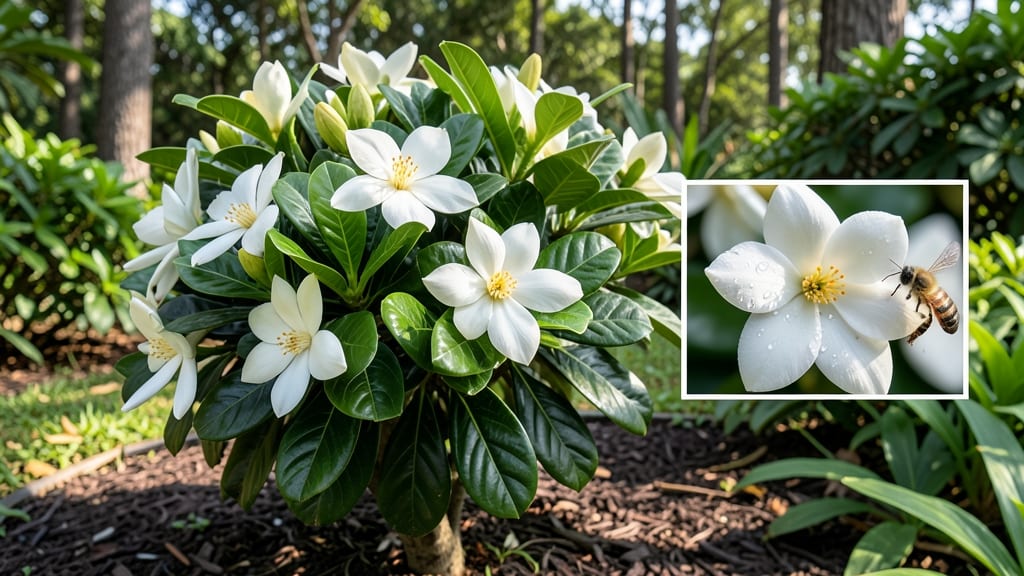
Gardenias don't bloom all summer—most varieties flower primarily from late spring through early fall, with the heaviest blooms appearing between May and July. Climate and species type significantly impact when and how long they'll produce those fragrant white blossoms.
Gardenias are seasonal bloomers, not year-round performers, and their flowering cycles are directly tied to their natural growing conditions. 🌸 In warmer climates, you might see some blooms extending into early autumn, while cooler regions often limit them to just a few months.
The key varieties like G. jasminoides (the most common) typically take a break after summer unless given ideal care—think regular pruning, balanced fertilization, and consistent moisture without waterlogging.
What's fascinating is how these plants actually set their buds in response to day length changes, which is why late spring and summer provide the perfect light conditions for blooming.
Many gardeners mistakenly assume gardenias will keep producing flowers if they're healthy, but the truth is more nuanced. Proper light exposure (bright but indirect sunlight) and humidity levels** (they thrive in 50-70% humidity) play huge roles in encouraging new buds to form.
I've found that even with perfect care, most gardenias take a natural rest period after their peak blooming season, which is why you'll rarely see continuous flowers throughout summer.
💡 In This Article
- Gardenia Blooming Seasons by Variety and Climate
- Tips to Prolong Gardenia Blooms Beyond Summer
Gardenia blooming seasons by variety and climate
The blooming patterns of gardenias are directly tied to their evolutionary adaptations. Most gardenias, particularly the popular G. jasminoides, originate from tropical and subtropical regions where they experience distinct wet and dry seasons.
This natural cycle triggers their flowering response—typically when temperatures stabilize between 65-85°F and daylight hours reach 12-14 hours (late spring to early summer). The famous white, waxy blooms you love are actually a survival strategy: their heavy fragrance attracts pollinators during these optimal conditions.
Climate plays a dramatic role in bloom timing. In USDA Zones 8-11 (tropical/subtropical), gardenias may bloom from April through October, while in cooler Zones 7-8, blooms might only appear from May to July.
The G. radicans variety, native to Australia, actually prefers slightly cooler temperatures and can extend blooming into early fall.
What's fascinating is how humidity affects this—gardenias need 50-70% humidity to set buds properly; below 40%, they'll often drop buds before they open. 🌿 This explains why indoor gardenias in dry climates rarely bloom well.
Day length is the hidden controller of gardenia blooming. These plants are short-day neutral, meaning they don't strictly require shorter days to flower, but they do respond to temperature cues. When nights stay above 60°F consistently (common in summer), it signals the plant to produce flowers.
The G. augusta variety, for example, often blooms slightly later than G. jasminoides because it needs warmer soil temperatures to initiate flowering. This is why you'll sometimes see gardenias in greenhouses producing blooms year-round—the controlled environment removes seasonal limitations.
Light quality matters too. While gardenias need bright, indirect light, direct afternoon sun can scorch leaves and reduce flowering. In their native habitats, they grow under forest canopies where light is filtered.
The blue spectrum of light (400-500nm) actually promotes bud formation, which is why artificial grow lights with blue bulbs can help indoor gardenias produce more flowers. This explains why gardenias in shaded patios often bloom less vigorously than those in dappled sunlight.
Here's what happens when conditions are perfect: The plant's meristem cells (growth points) receive signals from both temperature and light receptors, triggering the production of florigen—a hormone that moves to the buds and initiates flowering.
This process takes about 6-8 weeks from bud formation to full bloom, which is why you won't see sudden bursts of flowers. The timing is precise, like a biological clock. 🌸
For gardeners in cooler climates, this means planning ahead is crucial. If you want summer blooms, you'll need to protect your gardenias from late spring frosts (below 32°F) and provide consistent moisture during bud formation.
The key is mimicking their natural tropical environment as closely as possible—whether that's through microclimates, shade cloths, or indoor growing setups.