
Blooming
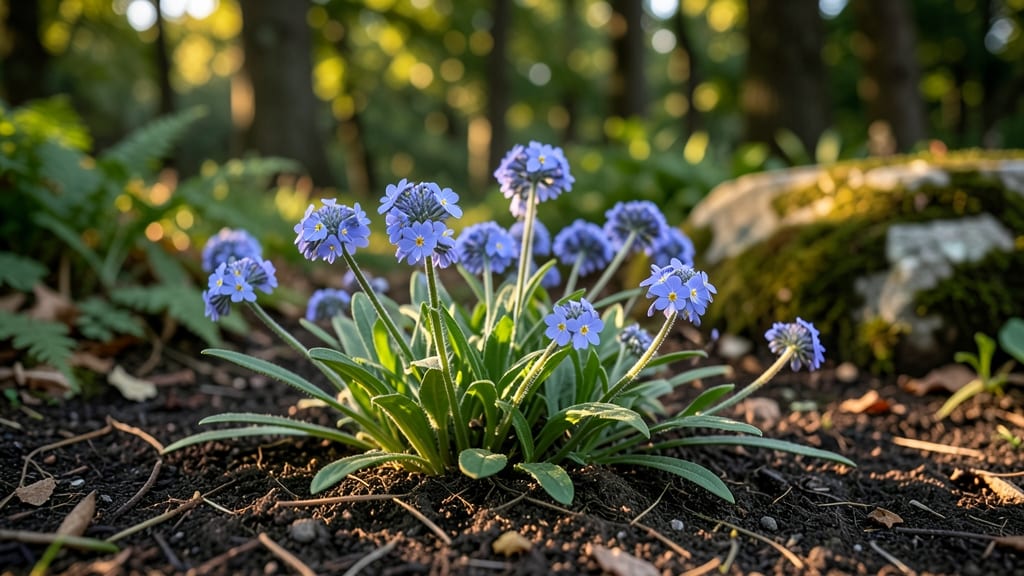
Forget-me-nots do not bloom all summer—they typically flower in spring and early summer, with some varieties reblooming lightly into fall. Cool-season types thrive in spring, while heat-sensitive ones fade as temperatures rise.
Forget-me-nots are cool-season plants that naturally follow the Earth's growing rhythm. 🌸 Their primary bloom period coincides with spring's milder temperatures and longer daylight, which triggers flowering.
While some hardy varieties may produce sporadic blooms into early fall, true summer-long flowering isn't typical unless you're growing heat-tolerant hybrids in cooler climates.
The key difference lies in their botanical origins—most forget-me-nots originate from temperate regions where summer heat would actually stress the plants, causing them to go dormant rather than continue blooming.
What's interesting is how regional climate plays a role. In northern gardens with cooler summers, you might see more extended blooming compared to southern areas where the heat arrives earlier.
This is why gardeners in warmer zones often plant forget-me-nots in shaded spots or use mulch to keep roots cooler—it mimics their natural growing conditions and can encourage slightly longer flowering periods.
💡 In This Article
- Forget-Me-Not Bloom Seasons by Variety
- Extending Forget-Me-Not Blooms: Pruning and Care Tips
Forget-me-not bloom seasons by variety
Most forget-me-nots (Myosotis species) are cool-season annuals or perennials that follow a strict seasonal rhythm tied to temperature and daylight. Their primary flowering occurs when daytime temperatures hover between 50°F and 70°F—ideal conditions for metabolic processes that produce flowers.
Varieties like the classic Myosotis sylvatica (wood forget-me-not) bloom profusely in spring but typically fade by early summer when temperatures climb above 75°F, triggering dormancy. This is because their native European habitats experience mild summers, not the prolonged heat we see in many gardens.
The key botanical trigger is daylength, specifically the increasing daylight of spring. Forget-me-nots are long-day plants, meaning they respond to extended daylight by producing flower buds.
Once summer solstice arrives (around June 21), the days begin shortening again, signaling the plant to conserve energy rather than produce new blooms. Some heat-tolerant hybrids, like Myosotis alpestris, may push blooming into early fall in cooler climates, but they rarely thrive in 90°F+ temperatures for extended periods.
The trade-off is clear: more heat tolerance often means shorter bloom seasons.
Regional climate creates dramatic differences in bloom timing. In USDA Zone 4-5 (northern climates), forget-me-nots might bloom from April through June with occasional fall reblooms, while in Zone 7-8 (southern regions), they often flower just March through April before wilting.
This explains why gardeners in warmer areas sometimes see forget-me-nots treated as cool-season annuals—planting them in late summer for fall blooms takes advantage of their natural dormancy cycle rather than fighting it.
What's fascinating is how soil temperature affects root activity. Forget-me-not roots prefer 55-65°F soil temps, which is why mulching with 2-3 inches of organic matter helps regulate temperature. In hot climates, roots can overheat above 70°F, causing the plant to shut down flowering mechanisms entirely.
This is why you'll often see forget-me-nots recommended for partial shade in southern gardens—they're not avoiding light, but rather protecting their roots from stress.
For those seeking summer blooms, consider biennial varieties like Myosotis discolor, which may produce a second flush of flowers in late summer to early fall if given ideal conditions. However, these are exceptions rather than the rule.
The reality is that forget-me-nots are seasonal performers, not year-round bloomers. Their beauty lies in their ephemeral nature, mirroring the fleeting charm of spring itself. 🌿
Understanding these botanical limits helps gardeners set realistic expectations. While you won't get continuous summer blooms, strategic planting—like pairing forget-me-nots with heat-loving annuals that take over in late summer—can create a seamless seasonal display.
Think of it as nature's way of reminding us that some things are meant to be enjoyed in their prime, not stretched beyond their natural rhythm. 🌸